



Common Signs Your Garage Door Needs to Be Replaced
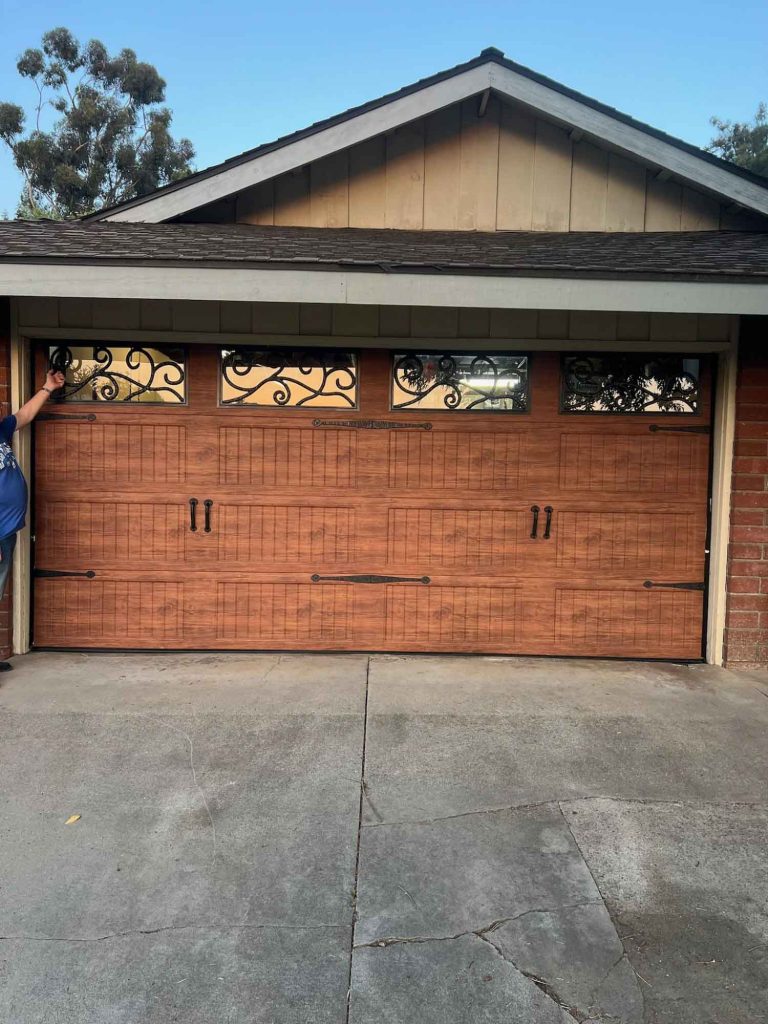
Common Signs Your Garage Door Needs to Be Replaced Your garage door is an essential part of your home’s security, functionality, and curb appeal. Over time, wear and tear can cause your garage door to become inefficient or even dangerous. If you’re unsure whether it’s time for a replacement, here are some key signs to look out for from First Class Garage Door. 1. Excessive Noise and Vibration If your garage door makes loud grinding, squeaking, or banging noises, it could be a sign of worn-out components. Excessive vibration while operating the door is another indicator that parts may be loose or deteriorating, increasing the risk of failure. 2. Frequent Breakdowns and Repairs Are you constantly fixing your garage door? If you find yourself calling for repairs more often than usual, investing in a new door could save you time and money in the long run. 3. Slow or Inconsistent Operation A properly functioning garage door should open and close smoothly. If you notice delays, jerky movements, or inconsistent operation, it may indicate underlying issues with the springs, tracks, or motor that warrant a replacement. 4. Visible Damage or Wear Dents, cracks, rust, or warping not only affect the appearance of your garage door but can also compromise its functionality and security. If the damage is extensive, a replacement might be the best option. 5. Increased Energy Bills Older garage doors with poor insulation can lead to higher heating and cooling costs. If your garage is attached to your home, upgrading to a well-insulated door can improve energy efficiency and lower your utility bills. 6. Outdated or Unsafe Design Older garage doors may lack modern safety features such as auto-reverse mechanisms, motion sensors, and secure locking systems. If your door doesn’t meet current safety standards, it’s time to consider an upgrade for better protection. 7. Difficulty Opening and Closing If your garage door frequently gets stuck, doesn’t close all the way, or is hard to lift manually, there may be significant structural or mechanical issues that require replacement. Upgrade to a Reliable Garage Door with First Class Garage Door! If you’re experiencing any of these issues, it may be time for a new garage door. At First Class Garage Door, we specialize in installing high-quality, durable garage doors to enhance your home’s safety, efficiency, and curb appeal. Contact us today for a consultation and expert guidance on your garage door replacement!
How to Replace a Garage Door: A Step-by-Step Guide
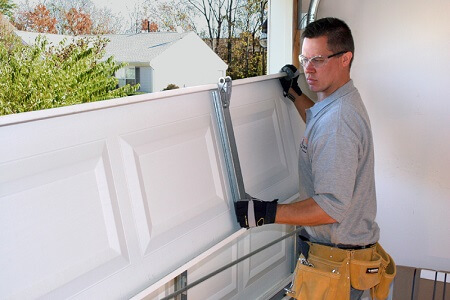
How to Replace a Garage Door: A Step-by-Step Guide Replacing a garage door may seem like a daunting task, but with the right tools, preparation, and guidance, it can be done efficiently. Whether your garage door is old, damaged, or you just want an upgrade, this guide from First Class Garage Door will walk you through the essential steps to get the job done safely and correctly. Tools & Materials You’ll Need Before you begin, gather the following tools and materials: New garage door kit (including panels, tracks, springs, and hardware) Cordless drill Screwdrivers Level Tape measure Wrenches Clamps Safety gloves and goggles Ladder Torsion spring winding bars (if applicable) Step 1: Remove the Old Garage Door Disconnect the Power – If you have an automatic garage door opener, unplug it to avoid accidents. Release Tension from the Springs – If your door has torsion springs, carefully unwind them using winding bars. For extension springs, detach them from the track. Remove Panels – Starting from the top, unscrew and remove each panel one by one. Be sure to have an extra set of hands to support the door while doing this. Detach the Tracks & Hardware – Unscrew the tracks, brackets, and hinges attached to the old door and set them aside. Step 2: Install the New Garage Door Install the Tracks – Follow the manufacturer’s instructions to attach the vertical and horizontal tracks securely to the garage frame. Assemble & Install Door Panels – Start with the bottom panel, making sure it is level. Secure it in place before stacking the remaining panels on top. Attach Hinges & Rollers – As you stack each panel, attach the hinges and insert rollers into the designated slots. Secure the Tracks – Make sure the vertical and horizontal tracks are aligned and fastened properly. Step 3: Install the Springs & Cables Attach the Lift Cables – Secure the lift cables to the bottom brackets on both sides. Install the Springs – If using torsion springs, mount them on the torsion bar and wind them carefully according to the manufacturer’s specifications. For extension springs, attach them to the appropriate anchor points. Check Tension & Balance – Ensure the door moves smoothly along the tracks and adjust the springs if necessary. Step 4: Connect & Test the Garage Door Opener Reattach the Opener (If Applicable) – Mount the opener to the ceiling bracket and connect it to the new garage door. Program & Test – Plug in the opener, test its operation, and adjust settings as needed to ensure smooth functionality. Final Checks & Safety Tips Lubricate moving parts to ensure smooth operation. Double-check all hardware for security. Test the door manually before using the opener. Make sure the door is balanced and aligned properly. Need Professional Help? Contact First Class Garage Door! While replacing a garage door can be a DIY project, it requires precision and safety precautions. If you need professional assistance, First Class Garage Door is here to help! Our experienced team can install your garage door quickly and efficiently, ensuring top-notch performance and security. Contact us today for a consultation!
Need Help Choosing the Best Brand and Material for Your Garage Door? A Comprehensive Guide from X Garage Door Professionals
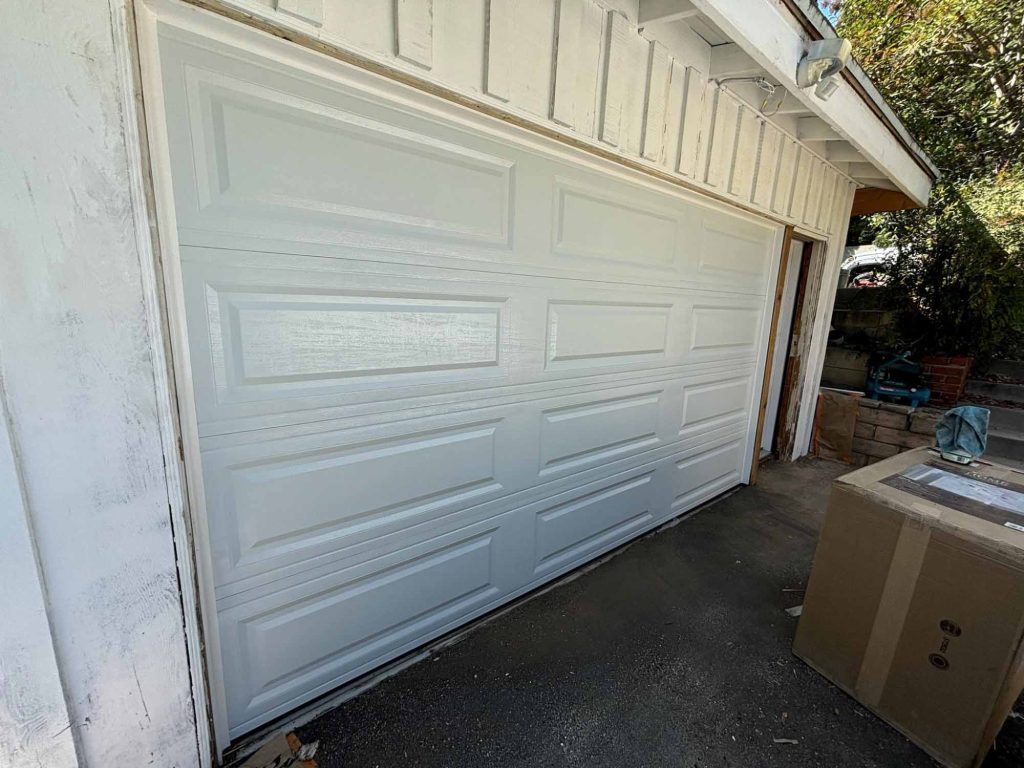
Introduction to Garage Door Selection: Why It Matters The Importance of Choosing the Right Brand and Material Selecting the best garage door brand and material is vital because it affects the overall performance, aesthetic, and longevity of your garage door. A poor decision can lead to frequent repairs, higher maintenance costs, and compromised security. By choosing high-quality materials and trusted brands, you ensure that your garage door functions efficiently and enhances the curb appeal of your home. Whether you’re building a new home, replacing an old door, or upgrading, it’s essential to weigh all options carefully. How the Right Garage Door Impacts Your Home’s Value The garage door is one of the most noticeable features of your home’s exterior, and it plays a crucial role in your home’s value. A stylish, durable garage door can boost the overall aesthetic appeal and market value of your property. On the other hand, a poor-quality door may detract from your home’s look and could lower its resale value. Factors to Consider Before Making a Selection Before selecting a garage door brand or material, consider various factors including the climate of your area, the style of your home, your budget, and the door’s functionality. Understanding these aspects will help you make an informed decision. Understanding Garage Door Materials: Which Is Right for You? Wood Garage Doors: Classic Beauty with High Maintenance Wooden garage doors offer timeless beauty and can be customized to fit any home style, from traditional to rustic. They provide excellent insulation and add elegance to your home. However, they require regular maintenance, including painting and sealing, to prevent warping, cracking, and rotting due to weather conditions. Advantages: Aesthetic appeal and customization options Excellent insulation properties Adds value to your home Disadvantages: High maintenance requirements Susceptible to weather damage Higher cost Steel Garage Doors: Durability and Low Maintenance Steel garage doors are a popular choice due to their durability and low maintenance. They are highly resistant to dents, rust, and corrosion, making them ideal for regions with harsh weather conditions. Steel doors can also be insulated for better energy efficiency. Advantages: Low maintenance Durable and secure Energy-efficient options available Disadvantages: Can be prone to rust in areas with high humidity Limited customization in design Aluminum Garage Doors: Lightweight and Affordable Aluminum doors are lightweight, making them easy to operate. They are resistant to rust, making them a great choice for coastal areas with salty air. Aluminum is also less expensive compared to other materials like wood or steel, making it a cost-effective option. Advantages: Lightweight and easy to operate Corrosion-resistant Affordable Disadvantages: Less durable than steel Limited insulation properties Fiberglass Garage Doors: Modern and Versatile Fiberglass doors are a great alternative to wood, offering the look of wood without the high maintenance. They are lightweight, durable, and resistant to moisture, making them ideal for areas with high humidity or near coastal regions. Advantages: Low maintenance Highly durable and resistant to corrosion Offers the look of wood without the upkeep Disadvantages: Can be prone to cracking under extreme conditions Limited customization options Vinyl Garage Doors: Low Maintenance and Long-Lasting Vinyl garage doors are a durable, low-maintenance option that resists scratches, dents, and rust. They are a great choice for families with children or pets, as they can withstand impacts better than other materials. Advantages: Resistant to dents and rust Long-lasting and low maintenance Available in various colors and designs Disadvantages: Limited insulation properties Less customizable than other materials Choosing the Best Garage Door Brand: What to Look For What Makes a Good Garage Door Brand? When choosing a garage door brand, it’s important to prioritize quality, customer service, warranty options, and product variety. Leading brands will offer a wide range of materials, styles, and designs to choose from, and they provide robust warranty coverage to ensure long-term peace of mind. Top Features to Consider: Reputation for quality and reliability A comprehensive warranty and after-sales service A wide range of materials and designs Availability of spare parts and customer support Popular Garage Door Brands to Consider Amarr Garage Doors: Known for durability, energy efficiency, and a wide range of design options. Clopay Garage Doors: Offers a vast selection of residential and commercial garage doors, with options for various materials and insulation levels. Chamberlain: A leader in opener systems, Chamberlain offers some of the best garage door openers in the market. Wayne Dalton: Offers a variety of materials and customization options, with advanced insulation technology. LiftMaster: Primarily known for their openers but also provides complete garage door systems that prioritize security and reliability. Comparing Brands: Which One Is Right for You? Different brands offer distinct benefits, so it’s important to match your specific needs with what each brand provides. If you prioritize high-end design and materials, Amarr or Clopay may be the best choices. If you’re looking for durability and ease of maintenance, LiftMaster or Wayne Dalton could be better options. Key Considerations When Choosing Your Garage Door Material and Brand Climate Considerations: Choose a Material That Suits Your Area The climate plays a significant role in determining the best material for your garage door. For instance, in coastal areas, materials like aluminum or fiberglass are better suited as they resist rust. In colder climates, insulated steel or wood doors are recommended to improve energy efficiency and maintain warmth in your garage. Budget: Balancing Cost and Quality Your budget will undoubtedly affect your material and brand selection. While materials like wood and high-end steel doors are more expensive, options like vinyl and aluminum offer more budget-friendly alternatives without compromising too much on durability. Always consider the long-term cost of maintenance and energy efficiency when choosing a material. Aesthetic Preferences: Matching Your Garage Door to Your Home’s Style Your garage door should complement the overall design and aesthetic of your home. Whether you prefer a traditional wooden look or a modern steel design, your garage door should align with your exterior to enhance curb appeal. Security Features: Prioritize Safety and Durability Some materials, such as
How to Repair a Garage Door Opener: The Ultimate DIY Guide for Homeowners
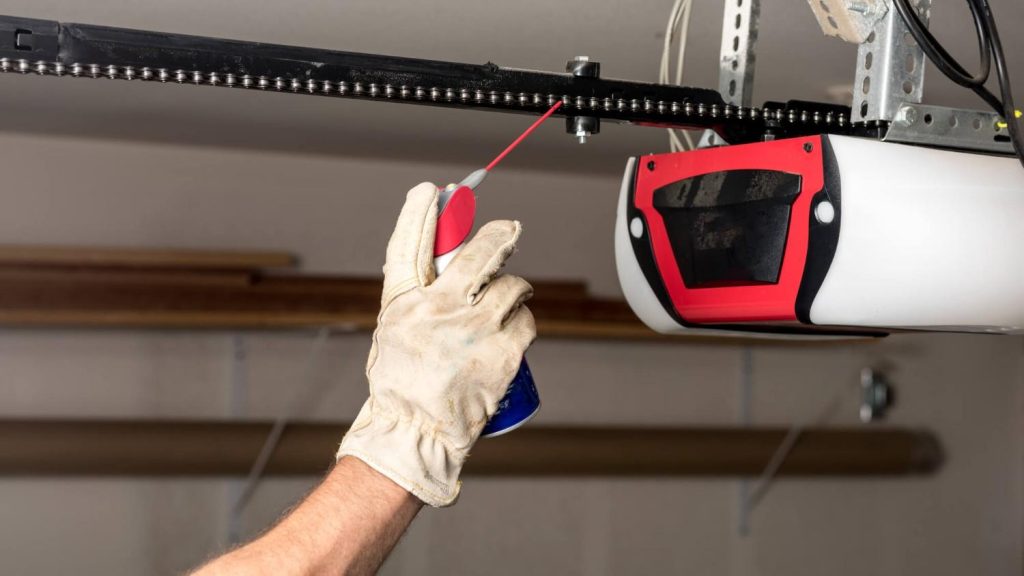
Introduction to Garage Door Opener Repair Step-by-Step Guide to Repairing Your Garage Door Opener Troubleshooting Common Garage Door Opener Issues Preventative Maintenance for Your Garage Door Opener When to Call X Garage Door Professionals Conclusion
How to Troubleshoot and Fix Common Garage Door Repair Issues Like a Pro
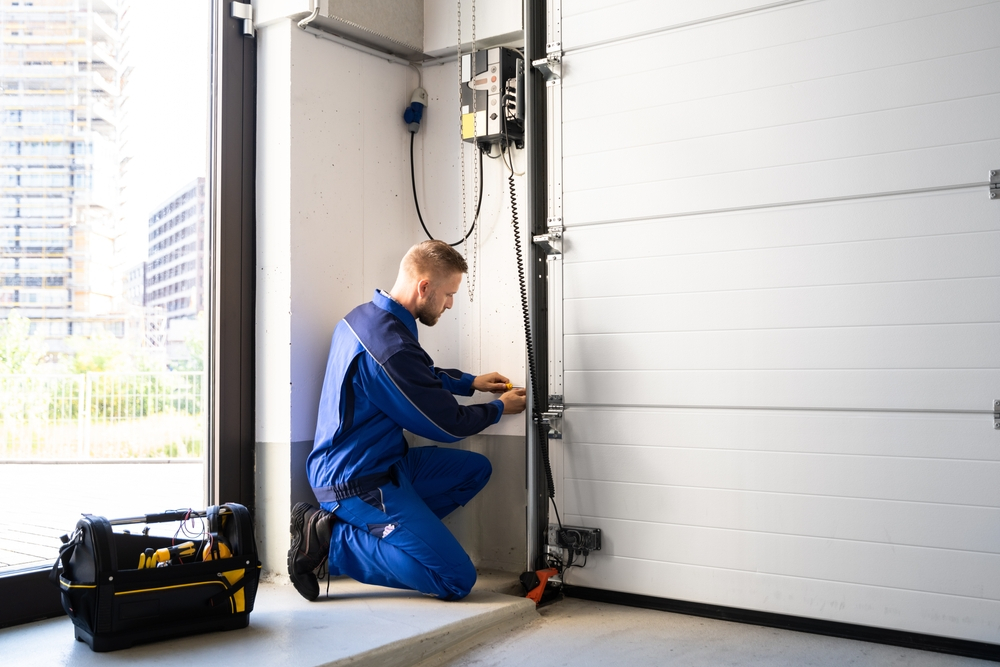
Blog Post Outline Introduction How to Identify Common Garage Door Problems Signs Your Garage Door Needs Repair Most Common Garage Door Issues DIY Troubleshooting Tips for Garage Door Repair Step 1: Check the Power Supply Step 2: Inspect the Tracks and Rollers Step 3: Test the Garage Door Springs Step 4: Examine the Photo-Eye Sensors Step 5: Inspect the Garage Door Opener Remote When to Call a Professional for Garage Door Repair Dangerous Repairs to Avoid Doing Yourself Advantages of Hiring X Garage Door Professionals How to Maintain Your Garage Door After Repairs Regular Maintenance Checklist Seasonal Maintenance Tips FAQs About Garage Door Repairs Can I Fix a Broken Garage Door Spring Myself? How Much Does Garage Door Repair Typically Cost? How Do I Prevent Garage Door Problems in the Future? Why Choose X Garage Door Professionals for Repairs? Conclusion