



A broken garage door spring cannot be fixed without professional training, and attempting broken garage door spring repair without the right tools puts both safety and property at serious risk. The forces involved are far greater than most people expect before they decide to take it on alone.
Garage door springs operate under extreme tension that can cause severe injury and extensive property damage when handled incorrectly. Knowing exactly why this repair requires professional attention is the first step toward protecting the door, the home, and everyone inside.
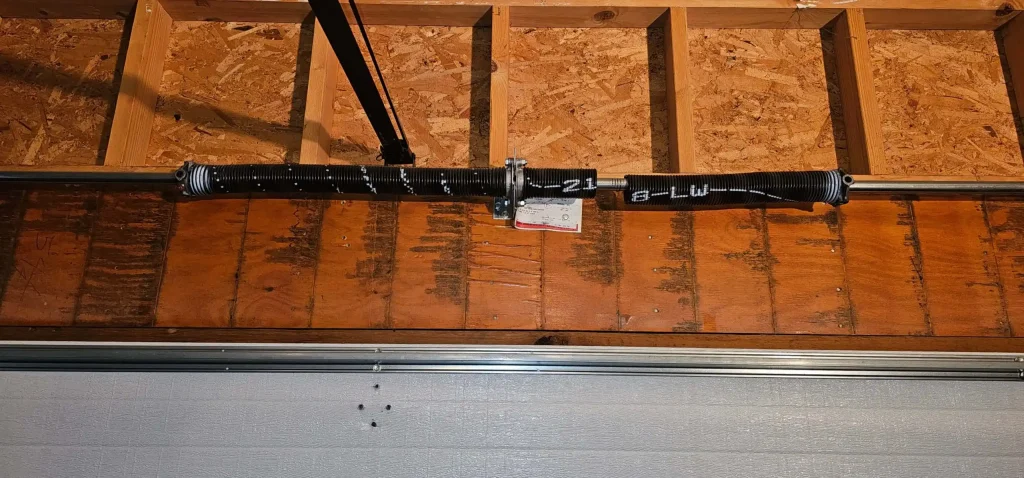
What Is a Broken Garage Door Spring?
A garage door spring carries the full weight of the door through every open-and-close cycle, and when it fails, the entire door loses its ability to move properly and becomes unsafe to operate until a professional resolves the problem.
Key facts about a broken garage door spring include:
- Torsion springs mount horizontally above the door and wind under extreme tension with every cycle
- Extension springs run along the horizontal tracks and stretch to counterbalance the door’s weight
- A loud bang is often the first sign that a spring has snapped inside the garage
- Visible gaps in the spring coil are a clear indicator that the spring has fully broken
- The door becomes extremely heavy and difficult to lift manually once the spring fails
To understand how to identify these warning signs before a full failure occurs, read our guide on How to Tell If a Garage Door Spring Is Broken, which covers the most reliable indicators homeowners notice before the spring completely gives out.
Why Fixing a Broken Garage Door Spring Is Not a DIY Job
Extreme Stored Tension
Garage door springs counterbalance doors weighing 150 to over 400 pounds, and releasing that tension without proper tools creates an uncontrollable hazard.
Dangers tied to extreme stored tension include:
- Torsion springs stay coiled under enormous pressure even when the door is closed
- Uncontrolled energy release sends metal components flying without warning
- Winding bars are not sold at standard hardware stores
- One small slip causes the spring to snap or spin violently
- Components above the door absorb the full impact of incorrect tension release
Extreme tension and missing tools make garage door spring installation a physically dangerous task for anyone without professional training.
High-Speed Component Failure
Spring hardware under high pressure can turn into dangerous projectiles that cause injury before there is any time to react.
Common high-speed failure risks include:
- Set screws strip under pressure and cause winding bars to kick back
- Worn cables and drums increase the chance of sudden failure mid-repair
- Extension springs without safety cables become projectiles when they snap
- Corroded hardware fails without a visible warning before the repair begins
- Broken torsion spring fragments travel at dangerous speeds if not contained
Stripped hardware, snapping springs, and corroded components all create unpredictable failure points during a repair attempt.
The Crashing Door Hazard
Mismanaging spring tension or cables during a repair can cause the door’s full weight to drop instantly, leaving no time to react.
Key crashing door risks include:
- Garage door cables are the last barrier between the door and a sudden drop
- Improper cable disconnection removes that barrier immediately
- Torsion spring jobs require simultaneous control of tension and cable alignment
- A heavy door falling absorbs impact onto the floor, vehicle, or anyone underneath
- Mid-repair spring failure gives no advance signal before the door drops
Cable mismanagement and uncontrolled tension make a crashing door one of the most dangerous outcomes of a DIY garage door repair attempt.
Further Property Damage
Miscalibrated springs place abnormal stress on every connected component, and the damage spreads through the garage door system before it becomes obvious.
Common sources of property damage include:
- Opener motors burn out when forced to compensate for incorrect spring tension
- Uneven calibration bends the garage door track and accelerates roller wear
- Cables and drums fray when spring tension does not match the door’s weight
- Panels warp when uneven movement puts repeated stress on the door frame
- Incorrectly sized extension springs cause premature failure in the surrounding hardware
Burned-out motors, stripped cables, and warped panels all trace back to a single miscalibrated spring installation.
Warranty Voidance
Most manufacturers void all warranty protection the moment an unauthorized repair is documented on the system.
Key warranty risks include:
- Manufacturers deny claims when unauthorized work appears in service records
- Garage door opener warranties are voided without a licensed technician on record
- Certified documentation is required for future warranty claims
- Insurance policies may exclude coverage for unlicensed repairs
- Parts warranties only apply when a qualified professional completes the installation
Voided warranties, excluded insurance, and lost parts protection all follow a single DIY repair attempt outside manufacturer requirements.
What to Do Instead of Fixing a Broken Garage Door Spring
Calling a licensed garage door technician is the only appropriate response when a broken garage door spring is discovered.
What to do instead of attempting the repair alone includes:
- Stop using the door immediately to avoid putting additional strain on the opener and cables
- Call a licensed garage door technician and describe the symptoms accurately
- Check for licensing, insurance, and verified reviews before booking a service appointment
- Keep the garage area clear until the technician arrives and completes the assessment
- Request a written estimate before any repair work begins
Taking the right steps after a spring failure protects the door, the opener, and everyone who uses the garage while waiting for professional service.
How to Temporarily Open a Garage Door With a Broken Spring
Accessing a garage when the spring has failed requires careful manual steps that avoid putting additional stress on the door or its remaining components.
Key steps for temporarily opening a garage door with a broken spring include:
- Locate the emergency release cord, typically a red cord hanging from the opener rail above the door
- Pull the cord straight down to disconnect the door from the automatic opener carriage
- Lift the door slowly with both hands while keeping feet away from the base of the door
- Stop immediately if the door feels too heavy or shifts unevenly during the lift
- Keep the door propped open with a sturdy object and never leave it unattended in the raised position
To weigh the risks before attempting manual access, read our full guide on Can You Open a Garage Door With a Broken Spring?, which covers every factor that determines whether it is a viable option.
Why Broken Garage Door Spring Repair Should Be Left to the Pros
Licensed technicians bring the training, tools, and experience that make garage door spring repair far beyond what any homeowner should attempt alone.
Reasons this repair should always be left to the pros include:
- Professionals carry specialized winding bars and calibration tools unavailable to the public
- Years of experience help technicians spot related wear on cables and drums
- Professional repairs include parts and labor warranties
- Licensed technicians follow industry safety standards during spring handling
- A professional diagnosis confirms whether one spring or the full system needs attention
To find out what pushes a garage door spring past its limits, read our full guide on What Causes a Broken Garage Door Spring?, which covers every wear pattern and condition that leads to spring failure.
What to Expect From a Professional Garage Door Spring Repair
A professional garage door spring repair follows a structured process to restore full door function and address every component affected by the failure.
What to expect during a professional garage door spring repair includes:
- The full door system is inspected before any parts are removed or replaced
- Both spring types are assessed to determine what needs replacement
- New springs are wound to the manufacturer’s specification for the door’s weight
- Cables, drums, and rollers are checked and adjusted during the same visit
- The door is tested through multiple cycles before the job is cleared complete
A professional repair covers far more than just the spring itself and ensures the entire garage door system operates at full capacity.
How Much Does Professional Garage Door Spring Repair Cost?
Professional garage door spring repair costs in Los Angeles vary based on a combination of factors that differ from one job to the next.
Factors that affect the cost of professional spring repair include:
- Torsion springs cost more to replace than extension springs due to installation complexity
- Double car garage doors require larger springs and longer labor time
- Damaged cables, drums, or openers found during the visit add to the total
- Same-day service in Los Angeles carries a higher rate than scheduled appointments
- Deferred maintenance often leads to additional repairs beyond the spring itself
Getting a written estimate from a licensed technician before work begins is the most reliable way to understand the full scope of the repair.
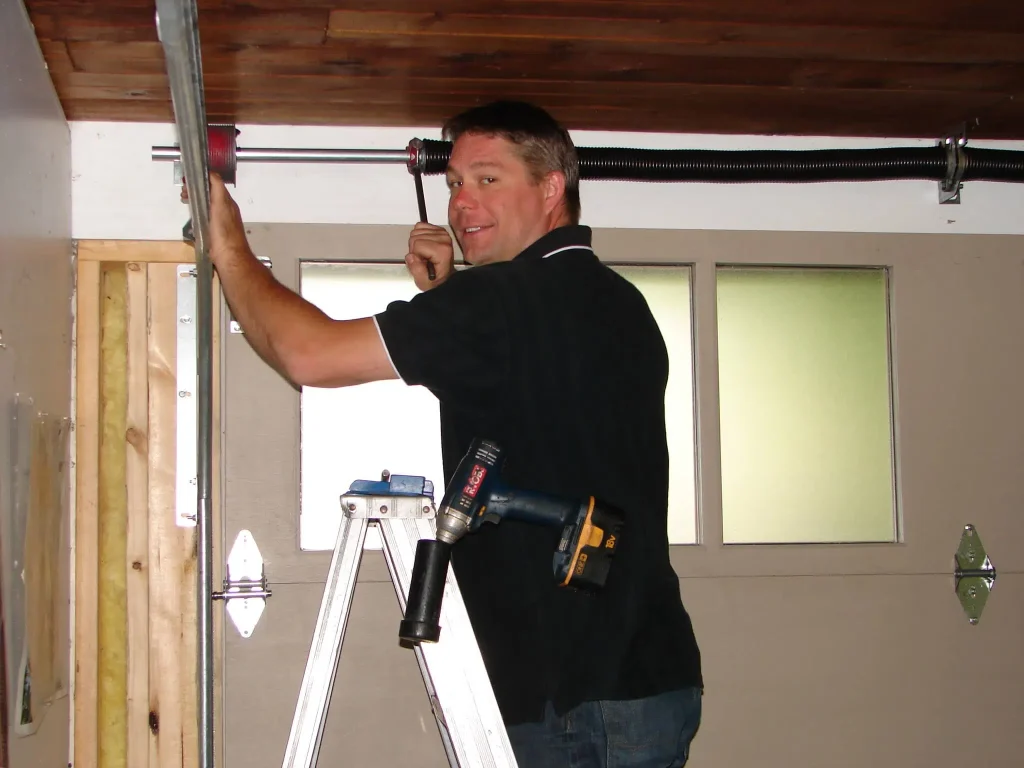
Always Leave Broken Garage Door Spring Repair to a Licensed Professional
Fixing a broken garage door spring without professional training, specialized tools, and hands-on experience puts personal safety and the entire door system at serious risk. Every attempt to handle this repair without proper qualifications increases the chance of injury, property damage, and a more extensive repair down the line.
First Class Garage Doors is the trusted garage door spring repair team Los Angeles homeowners call when a broken spring brings the entire door system to a stop. Do not attempt a fix alone. Contact us or give us a call today, and let our team restore your door to full working order.
Frequently Asked Questions
Is it dangerous to stay near a garage door when the spring is about to fail?
Yes, a spring under extreme tension can snap without warning and send metal components in any direction. Keeping distance from the door and avoiding operation until a technician arrives is the only appropriate response when failure is suspected.
Can a broken garage door spring cause the door to become permanently damaged?
Yes, continuing to operate a door with a garage door spring broken condition puts abnormal strain on the opener motor, cables, and drums. The longer the door runs without a functioning spring, the greater the risk of damage spreading to other components.
What happens to the garage door opener when the spring breaks?
The opener motor takes on the full weight of the door once the spring fails, which it is not designed to handle. Repeated operation under those conditions will burn out the motor and may require a full replacement of the opener.
Do garage door springs need to be replaced in pairs?
Yes, replacing both springs at the same time is strongly recommended by industry professionals. Springs on the same door age at the same rate, and the remaining spring is already near the end of its lifespan when the first one breaks.
Can a garage door spring break during normal everyday use?
Yes, most springs reach the end of their rated cycle life through regular daily operation rather than a single dramatic event. A spring that has completed its maximum number of cycles will fail during a routine open or close without any prior indication.
How do I prepare my garage before a technician arrives for spring repair?
Clear the area around the garage door of vehicles, tools, and any stored items that could obstruct the technician's workspace. Do not attempt to operate the door in any way until the repair is complete.
Is there a difference in difficulty between torsion spring repair and extension spring repair?
Yes, torsion spring repair is significantly more complex because it requires winding bars and precise torque calibration to safely manage tension. Extension spring repair involves less stored tension but still carries a serious risk of injury without the proper tools and training.
Can a garage door spring break if the door is not used for a long period?
Yes, springs that sit idle for extended periods are still subject to metal fatigue, corrosion, and coil stress from the constant tension they hold. Lack of lubrication during that time accelerates deterioration.
How soon should a broken garage door spring be repaired after it fails?
Garage door spring replacement should be scheduled as soon as the failure is discovered. Operating the door or leaving it unaddressed puts the opener, cables, and door panels under unnecessary strain, compounding the original problem.


