



How Often to Lubricate a Garage Door to Prevent Noise
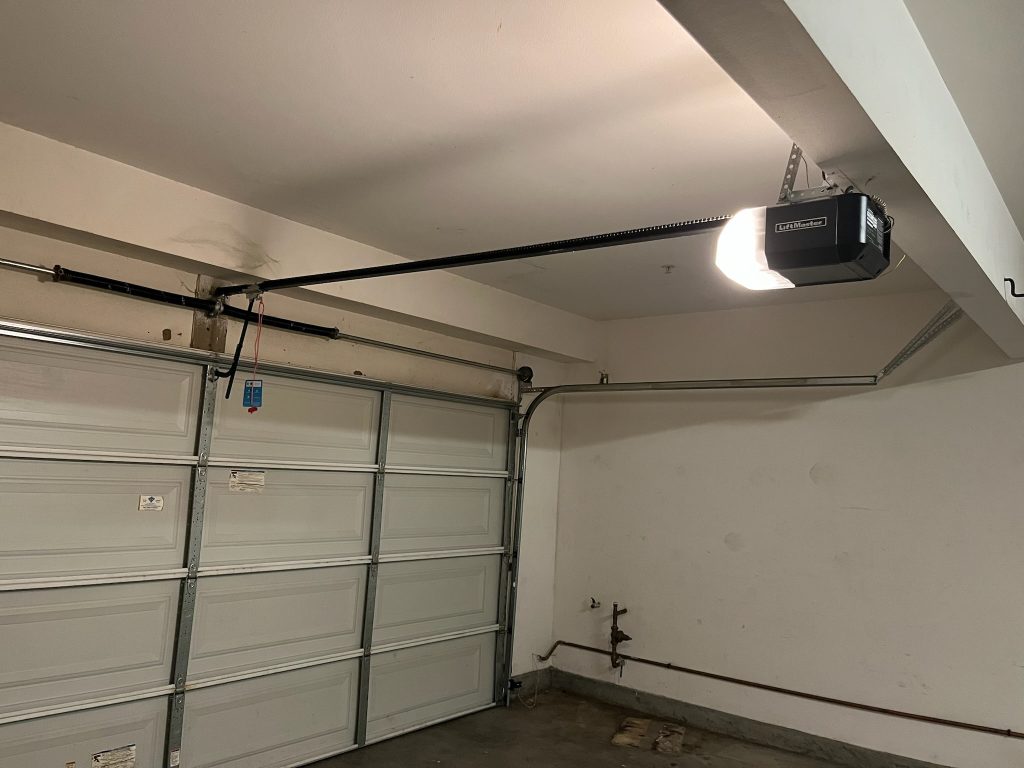
Garage door components typically need lubrication every three to six months, though hinges and rollers on doors used multiple times daily may need it closer to every three months. Sticking to a consistent garage door maintenance schedule is one of the most effective ways to prevent the friction that leads to squeaking and grinding. Different parts of the door wear at different rates, so a single blanket schedule rarely covers every component’s actual needs. This guide breaks down exactly how often each part should be lubricated, the correct process for each one, and which parts should never receive lubricant at all. Key Takeaways How Often Different Parts Need Lubrication Each part of a garage door system wears differently, so matching the right frequency to the right part prevents both under-lubrication and unnecessary buildup. Part Recommended Frequency Lubricant Type Hinges Every 3 to 6 months Silicone-based spray Rollers Every 3 to 6 months White lithium grease Torsion Springs Once or twice a year White lithium grease Opener Rail and Arm Every 6 months Lithium-based grease Tracks Never Cleaning only, no lubricant The sections below explain the correct process for each part, along with what makes its schedule different from the others. Hinges Hinges typically need fresh lubricant every three to six months, though doors opened several times a day may need attention closer to the three-month mark. Follow this process when lubricating the hinges: To see the full range of fixes this maintenance step supports beyond just the hinges, read our guide on How to Make a Garage Door Quieter Without a Technician, which covers every method that restores quiet movement. Rollers Rollers generally need lubrication on the same three- to six-month schedule as hinges, since both parts experience similar friction during regular use. Follow this process when lubricating the rollers: To find out exactly what that kind of uneven wear across the rollers usually means for the rest of the door, read our guide on What Causes a Noisy Garage Door?, which breaks down every common cause behind that specific pattern in detail. Torsion Springs Torsion springs need far less frequent attention than hinges or rollers, typically once or twice a year at most. Follow this process when lubricating torsion springs, with safety in mind at every step: Torsion springs hold enough tension that lubrication needs caution, and a worn spring calls for garage door torsion spring repair instead. Opener Rail and Arm The opener rail and arm connection should be lubricated roughly every six months, aligning with a broader maintenance routine for the rest of the door. Follow this process when lubricating the opener rail and arm: To hear exactly what it sounds like when this specific part begins to fail over time, read our guide on What Do Different Garage Door Sounds Mean?, which explains in detail what a straining motor typically indicates. Tracks Tracks should never be lubricated directly, since grease and oil attract dirt and debris that make the noise worse rather than better. Follow this process for maintaining the tracks instead: Keeping the tracks clean rather than lubricated protects the rollers and hardware that rely on them daily, and a bent track calls for garage door off track repair. Building a Lubrication Habit That Actually Sticks A lubrication schedule only works if it becomes a consistent habit rather than something remembered only after the noise returns. Consider these steps for building a routine that lasts: A habit built around a fixed schedule keeps the system quieter for longer, and pairing it with occasional garage door service addresses what lubrication alone cannot fix. A Simple Habit That Keeps a Garage Door Running Quietly Lubrication is one of the easiest maintenance tasks a homeowner can handle, and sticking to the right schedule prevents most of the common noise complaints covered elsewhere in this guide. A door that receives consistent attention rarely develops the grinding or squeaking that signals a bigger repair. First Class Garage Doors reminds homeowners throughout Los Angeles, CA, that a few minutes of maintenance every few months goes further than most people expect. Contact us or give us a call today, and let our team build a maintenance plan suited to the specific door. Frequently Asked Questions
What Do Different Garage Door Sounds Mean?
Different garage door sounds point to specific mechanical issues, with squeaking pointing to dry hinges, grinding to worn rollers, and rattling to loose hardware. Learning to tell these sounds apart makes it easier to catch a problem before it turns into garage door noise that disrupts the household. A door in good condition produces very little sound beyond a soft hum from the garage door opener motor and a light amount of mechanical movement along the tracks. This guide breaks down the most common sounds a noisy garage door makes, what each one usually means, and the specific cause typically behind it. Key Takeaways Common Garage Door Sounds and What They Mean Recognizing the sound a door makes narrows down the likely cause long before a full inspection becomes necessary. Sound How It Feels Likely Cause Recommended Fix Squeaking High-pitched noise during movement Dry hinges or rollers Lubricate hinges and rollers Grinding Rough, scraping sensation near the tracks Worn metal rollers Inspect and replace worn rollers Rattling Vibrating noise that shifts location Loose hardware or brackets Tighten hardware and brackets Banging Sudden, sharp noise during a cycle Spring losing tension or failing Stop use and call a professional Humming or Buzzing Steady strain near the opener unit Aging or overworked motor Have the opener motor inspected The following sections explain in more detail what typically causes each of these sounds. Squeaking A squeak develops gradually as moving parts lose the lubrication that normally keeps friction to a minimum. A few conditions typically cause this sound: To see the fixes that resolve this exact sound at the source, read our guide on How to Make a Garage Door Quieter Without a Technician, which walks through every method that restores quiet movement. Grinding Grinding is a heavier, more mechanical sound than a squeak, and it usually means metal is making direct contact where it shouldn’t. A number of factors explain this kind of noise: Grinding rarely improves with a light amount of lubrication once the underlying wear has reached the point where garage door roller repair becomes the only real fix. Rattling Rattling tends to come and go depending on how the door is moving, which is part of what makes it easy to overlook at first. The rattling itself tends to trace back to the following: To understand exactly which causes are most responsible for this kind of noise, read our guide on What Causes a Noisy Garage Door?, which breaks down every contributing factor in detail. Banging A single loud bang is different from the other sounds on this list, since it usually signals a sudden failure rather than gradual wear. Watch for these causes behind a sudden bang: A bang should never be ignored, since it often means a component has already failed and needs broken garage door spring repair before the door is used again. Humming or Buzzing A hum or buzz almost always comes from the motor rather than the door itself, since it reflects strain on the old opener unit. These conditions typically explain this kind of sound: To find out exactly how often maintenance can extend the life of these components, read our guide on How Often to Lubricate a Garage Door to Prevent Noise, which lays out a full schedule based on daily use. How to Confirm the Sound Before Calling for Help Confirming which sound is present and how consistently it occurs gives a much clearer picture before deciding on next steps. Take these steps to confirm the sound accurately: Taking a few minutes to confirm the sound accurately helps a technician diagnose the issue more quickly when they arrive. Every Garage Door Sound Has a Story Worth Listening To A garage door rarely makes noise without a clear underlying reason, and learning to recognize what each sound actually means makes it much easier to identify the actual cause. Identifying the right sound early often means a simpler, less expensive fix instead of a bigger repair further down the line. First Class Garage Doors listens closely to what homeowners across Los Angeles, CA, describe about their door’s sound before ever recommending a specific repair. Contact us or give us a call today, and let our team confirm exactly what that particular sound means for the entire system. Frequently Asked Questions
What Causes a Noisy Garage Door?
The most common causes behind a noisy garage door are dry hinges, loose hardware, worn rollers, and an aging opener, each producing a distinct sound that points directly to the source. Identifying which cause applies to a specific door is the fastest way to choose the right fix instead of guessing at a solution. These causes respond differently to treatment, since basic garage door maintenance resolves several of them while others point toward a component nearing the end of its usable life. This guide breaks down each cause in detail, what it typically sounds like, and what usually needs to happen once the source is confirmed. Key Takeaways Common Causes Behind a Noisy Garage Door Recognizing which of these causes applies helps determine whether a quick fix or a bigger repair is the right next step. Cause What It Means Recommended Action Dry or Worn Hinges and Rollers Friction at contact points from lost lubrication Lubricate, monitor for return Loose Hardware and Mounting Brackets Vibration from fasteners shifting over time Tighten within the next few days Worn Metal Rollers Rollers grinding against the tracks Replace within the next few weeks Unbalanced or Aging Opener Motor and drive system under strain Have the opener inspected soon Dirt Accumulation in the Tracks Debris adding resistance during movement Clean tracks, monitor for return The following causes account for most noise complaints homeowners report during a typical garage door inspection. Dry or Worn Hinges and Rollers Squeaking that develops gradually over several months almost always traces back to hinges or rollers that have lost their lubrication. A few conditions typically drive this kind of wear: To find out exactly how often this maintenance step needs to happen, read our guide on How Often to Lubricate a Garage Door to Prevent Noise, which lays out a full schedule based on how frequently the door gets used. Loose Hardware and Mounting Brackets Rattling that seems to shift location during a cycle usually comes from hardware that has worked itself loose over time. A number of factors contribute to this kind of noise: To see the full range of fixes that address this and other causes at once, read our guide on How to Make a Garage Door Quieter Without a Technician, which covers every step from lubrication to hardware upgrades. Worn Metal Rollers Grinding that continues even after fresh lubrication usually points to rollers that have worn down past the point lubricant can help. The grinding itself tends to trace back to the following: A rusted or flattened roller rarely improves with additional lubrication and typically needs garage door roller replacement before the grinding stops. Unbalanced or Aging Opener A motor that strains audibly during each cycle often signals an opener nearing the end of its expected lifespan. Watch for these garage door opener-related warning signs: To hear the exact difference between this kind of noise and other common sounds, read our guide on What Does Each Garage Door Sound Mean?, which breaks down what each specific sound usually indicates. Dirt Accumulation in the Tracks A grinding or scraping sound near the base of the door often comes from dirt and debris that has built up inside the tracks. These conditions typically explain the buildup: A quick wipe of the tracks during routine garage door service often prevents this cause from developing into a persistent noise problem. What Comes Next Once the Cause Is Identified Confirming which cause applies makes it far easier to choose the right fix instead of guessing at a solution that may not address the actual problem. Take these steps once the cause has been narrowed down: Ruling out the simplest causes first, such as lubrication and loose hardware, often resolves the issue before a more extensive repair becomes necessary. Understanding the Cause Is the First Step to a Quieter Garage Door A noisy garage door almost always has an identifiable cause, and pinpointing it early prevents a small annoyance from turning into a larger mechanical failure. Different causes call for different fixes, so knowing which one applies saves both time and unnecessary expense. First Class Garage Doors helps homeowners throughout Los Angeles, CA, identify the exact source of a noisy garage door before it leads to a bigger repair. Contact us or give us a call today, and let our team confirm the cause and get the door running quietly again for good. Frequently Asked Questions
How to Make a Garage Door Quieter Without a Technician
A garage door becomes quieter once garage door maintenance covers the moving parts and tightens any loose hardware before the noise turns into a bigger mechanical issue. Most homeowners can handle these fixes in under an hour using nothing more than basic tools and a little attention. Homeowners across Los Angeles often notice unnecessary noise creeping in long before a garage door actually fails, and spotting it early keeps a small annoyance from becoming a costly repair. This guide walks through the early signs, what each sound means, and the steps that restore quiet, reliable movement to the door. Key Takeaways Signs a Garage Door Is Getting Too Loud A garage door that operates correctly should move through a full cycle with only a soft hum from the motor and a light amount of mechanical sound from the tracks. Watch for these early indicators that a door has become louder than normal: Noticing these changes early gives a homeowner the chance to address issues before the garage door opener or other components are put under unnecessary strain. What Does Each Garage Door Sound Mean A garage door communicates its mechanical condition through sound, and learning to tell these signals apart saves time when narrowing down the fix. Sound Meaning Cause Squeaking The door needs lubrication at key contact points Dry hinges or rollers Grinding Metal is rubbing where it should be gliding smoothly Worn metal rollers against the tracks Rattling Hardware has come loose somewhere in the system Loose nuts, bolts, or brackets Loud bang A component has failed or is failing under tension A spring losing tension or snapping Humming or buzzing The opener motor is under strain Aging or overworked opener motor To break down each of these sounds by cause and severity, read our guide on What Do Different Garage Door Sounds Mean?, which explains what is happening mechanically every time the door makes an unfamiliar sound. Common Causes of a Noisy Garage Door Noise complaints usually trace back to a handful of recurring mechanical issues, and identifying the right one helps narrow down which fix actually solves the problem. Here are the most common causes behind a noisy garage door: To uncover a complete, detailed breakdown of each individual cause behind the noise, read our guide on What Causes a Noisy Garage Door?, which explains exactly what is driving the noise in far more detail. Ways to Keep a Garage Door Quiet Lubricate Moving Parts Regular lubrication is the single most effective habit for keeping a garage door quiet, as it directly targets the friction that causes most squeaks. Follow these steps for proper lubrication of the door’s moving parts: To see exactly how often this maintenance step needs to happen, read our guide on How Often to Lubricate a Garage Door to Prevent Noise, which lays out a full schedule based on how frequently the door gets used. Upgrade to Nylon Rollers Metal rollers tend to grind loudly against the tracks over time, while nylon rollers glide with far less mechanical noise. Here is what the upgrade to nylon rollers typically involves: Nylon absorbs vibration rather than transferring it, which is why this garage door roller replacement reduces the grinding sound steel rollers eventually develop. Tighten Loose Hardware Loose parts vibrate heavily against the metal panels during every cycle, and tightening them is one of the simplest steps a homeowner can take without professional help. These are the hardware points worth checking first: A quick pass with a socket wrench once every few months keeps these fasteners from loosening again between regular maintenance visits. Install Vibration Isolators and Pads Loud vibrations from the opener motor often travel through the ceiling and into the living space above or beside the garage. Consider these steps for isolating vibration at the source: Stopping vibration from spreading through the framing protects a home’s peace far more than any adjustment made to the door itself. Insulate the Garage Door Panels An uninsulated garage door tends to amplify sound because hollow panels have nothing to absorb the vibration moving through them. Options for adding insulation to an existing setup include: Insulation panels dampen the hollow echo that uninsulated doors produce, and this upgrade often improves comfort inside the garage as a side benefit. Replace the Opener Drive System An old chain-drive opener is one of the loudest components in the entire system once it starts to wear down. Here is what switching to a quieter drive system typically looks like: A belt-drive system eliminates the clanking sound a chain produces, making it a worthwhile investment for anyone seeking the quietest option. What to Do If These Techniques Do Not Work Noise that persists after each of the above fixes often signals a problem beyond routine adjustment, at which point closer inspection makes sense. Take these steps if noise continues despite regular maintenance: A component that keeps making noise despite consistent effort has likely reached the end of its lifespan rather than simply needing another round of basic maintenance. Get a Quieter Garage Door With Help From the Pros A noisy garage door rarely fixes itself, and the difference between a quick weekend project and a bigger repair often comes down to identifying the right cause early. The right fix, whether it is lubrication or a full opener replacement, keeps small issues from turning into expensive ones. First Class Garage Doors works with homeowners throughout Los Angeles, CA, to pinpoint exactly what is causing a loud garage door and apply a fix that actually lasts, no matter how long the noise has been building. Contact us or give us a call today, and let our team help restore quiet, reliable movement to the entire garage door system. Frequently Asked Questions
Can You Fix a Broken Garage Door Spring Yourself?
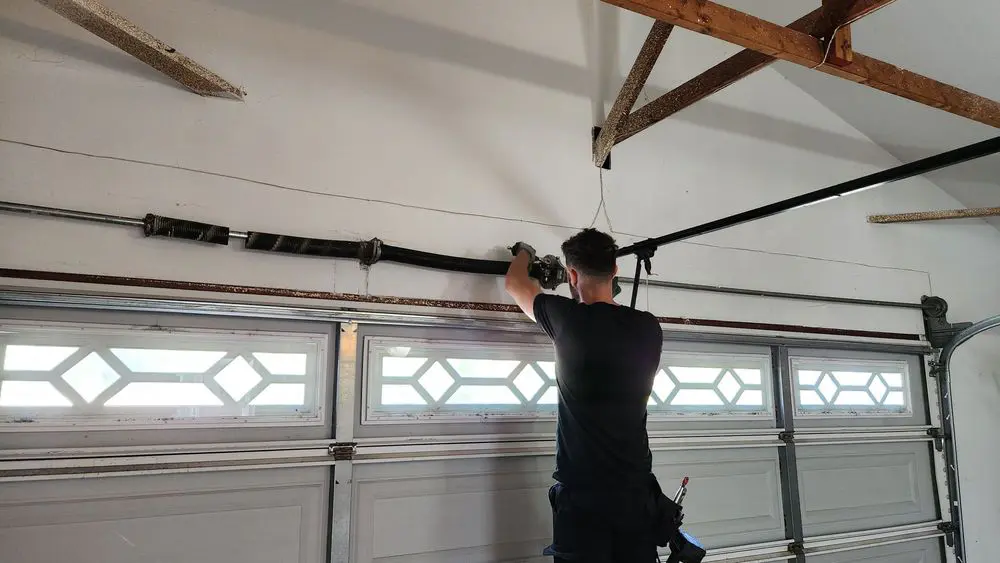
A broken garage door spring cannot be fixed without professional training, and attempting broken garage door spring repair without the right tools puts both safety and property at serious risk. The forces involved are far greater than most people expect before they decide to take it on alone. Garage door springs operate under extreme tension that can cause severe injury and extensive property damage when handled incorrectly. Knowing exactly why this repair requires professional attention is the first step toward protecting the door, the home, and everyone inside. What Is a Broken Garage Door Spring? A garage door spring carries the full weight of the door through every open-and-close cycle, and when it fails, the entire door loses its ability to move properly and becomes unsafe to operate until a professional resolves the problem. Key facts about a broken garage door spring include: To understand how to identify these warning signs before a full failure occurs, read our guide on How to Tell If a Garage Door Spring Is Broken, which covers the most reliable indicators homeowners notice before the spring completely gives out. Why Fixing a Broken Garage Door Spring Is Not a DIY Job Extreme Stored Tension Garage door springs counterbalance doors weighing 150 to over 400 pounds, and releasing that tension without proper tools creates an uncontrollable hazard. Dangers tied to extreme stored tension include: Extreme tension and missing tools make garage door spring installation a physically dangerous task for anyone without professional training. High-Speed Component Failure Spring hardware under high pressure can turn into dangerous projectiles that cause injury before there is any time to react. Common high-speed failure risks include: Stripped hardware, snapping springs, and corroded components all create unpredictable failure points during a repair attempt. The Crashing Door Hazard Mismanaging spring tension or cables during a repair can cause the door’s full weight to drop instantly, leaving no time to react. Key crashing door risks include: Cable mismanagement and uncontrolled tension make a crashing door one of the most dangerous outcomes of a DIY garage door repair attempt. Further Property Damage Miscalibrated springs place abnormal stress on every connected component, and the damage spreads through the garage door system before it becomes obvious. Common sources of property damage include: Burned-out motors, stripped cables, and warped panels all trace back to a single miscalibrated spring installation. Warranty Voidance Most manufacturers void all warranty protection the moment an unauthorized repair is documented on the system. Key warranty risks include: Voided warranties, excluded insurance, and lost parts protection all follow a single DIY repair attempt outside manufacturer requirements. What to Do Instead of Fixing a Broken Garage Door Spring Calling a licensed garage door technician is the only appropriate response when a broken garage door spring is discovered. What to do instead of attempting the repair alone includes: Taking the right steps after a spring failure protects the door, the opener, and everyone who uses the garage while waiting for professional service. How to Temporarily Open a Garage Door With a Broken Spring Accessing a garage when the spring has failed requires careful manual steps that avoid putting additional stress on the door or its remaining components. Key steps for temporarily opening a garage door with a broken spring include: To weigh the risks before attempting manual access, read our full guide on Can You Open a Garage Door With a Broken Spring?, which covers every factor that determines whether it is a viable option. Why Broken Garage Door Spring Repair Should Be Left to the Pros Licensed technicians bring the training, tools, and experience that make garage door spring repair far beyond what any homeowner should attempt alone. Reasons this repair should always be left to the pros include: To find out what pushes a garage door spring past its limits, read our full guide on What Causes a Broken Garage Door Spring?, which covers every wear pattern and condition that leads to spring failure. What to Expect From a Professional Garage Door Spring Repair A professional garage door spring repair follows a structured process to restore full door function and address every component affected by the failure. What to expect during a professional garage door spring repair includes: A professional repair covers far more than just the spring itself and ensures the entire garage door system operates at full capacity. How Much Does Professional Garage Door Spring Repair Cost? Professional garage door spring repair costs in Los Angeles vary based on a combination of factors that differ from one job to the next. Factors that affect the cost of professional spring repair include: Getting a written estimate from a licensed technician before work begins is the most reliable way to understand the full scope of the repair. Always Leave Broken Garage Door Spring Repair to a Licensed Professional Fixing a broken garage door spring without professional training, specialized tools, and hands-on experience puts personal safety and the entire door system at serious risk. Every attempt to handle this repair without proper qualifications increases the chance of injury, property damage, and a more extensive repair down the line. First Class Garage Doors is the trusted garage door spring repair team Los Angeles homeowners call when a broken spring brings the entire door system to a stop. Do not attempt a fix alone. Contact us or give us a call today, and let our team restore your door to full working order. Frequently Asked Questions
Can You Open a Garage Door With a Broken Spring?
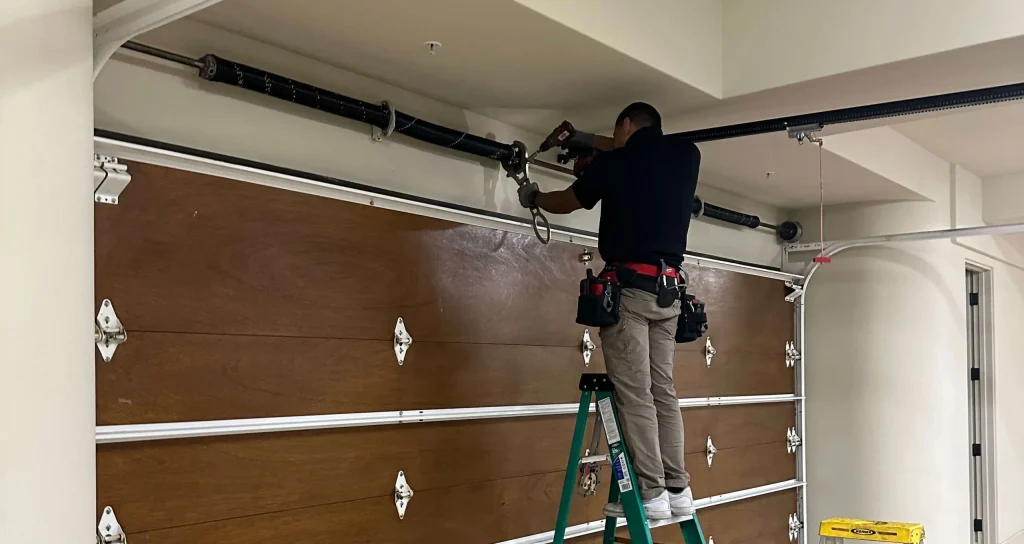
Opening a garage door with a broken spring is possible but extremely dangerous, and in most cases, it should not be attempted without professional help. The spring carries the full weight of the door during every cycle, and without it, the door becomes an uncontrolled load that can cause injury and added repairs. Broken garage door spring repair is the only real solution to restoring the door to normal operation and preventing the problem from getting worse. Forcing the door open before the spring is replaced risks damaging the cables, the opener, and the panels on top of the original repair. What Causes a Garage Door Spring to Break? Garage door springs do not fail without reason, and every broken garage door spring traces back to a specific condition that built up over time before the system finally gave out without any warning. Common causes of a broken spring include: To understand how these causes relate to what the system looks and sounds like before a full failure, read our guide on How to Tell If a Garage Door Spring Is Broken, which covers the most reliable indicators. The Risks of Opening a Garage Door With a Broken Spring Crashing Door Risk Garage door springs carry the full weight of the door, and without one, nothing keeps the door in place once it leaves the ground. Watch for these conditions before attempting to open the door: Door weight, loss of counterbalance, and unstable positioning all make emergency garage door repair the only responsible action after a broken garage door spring. Physical Injury Lifting a heavy door manually without spring assistance places the full unassisted load directly on the person attempting it. Common injury risks include: Body strain, unpredictable panel movement, and loss of grip all make manual lifting without spring support a direct risk of injury to anyone attempting it. System Failure A broken spring shifts its full load onto every connected component, and cables, drums, tracks, and hardware take the impact all at once. Signs the system is failing beyond the spring include: Cable slack, drum misalignment, and track pressure all indicate that forcing the door compounds the damage well beyond the spring itself. Burned Out Opener Motor Garage door openers are built to move a spring-assisted door, and the moment the spring is gone, the motor takes on a load it was never rated for. What happens to the opener when the spring is broken: Motor strain, gear stripping, and drive system failure all result from running an automatic opener against a door that the spring was supposed to be supporting. Damaged Door Panels Forcing a door open without spring support applies an uneven lifting force directly to the panels with every attempt. What panel damage looks like after a forced opening attempt: Uneven force, seam stress, and panel misalignment are the most common reasons garage door panel repair follows a broken spring incident. How to Tell If a Garage Door Spring Is Broken Before Touching It Confirming a garage door spring broken situation from a distance keeps everyone away from a system that is still under extreme tension. Common signs to look for include: To understand what specific conditions lead to these signs, read our guide on What Causes a Broken Garage Door Spring?, which covers the most common factors behind spring failure in residential garage doors. What to Do Instead of Opening a Garage Door With a Broken Spring A garage door spring broken situation requires immediate action to protect the door, the opener, and everyone in the household. The right steps to take include: Taking these steps immediately narrows the window for further damage and prevents the situation from escalating before professional help arrives. How to Open a Garage Door With a Broken Spring in an Emergency Opening a garage door with a broken spring should only happen when no other option exists, and two people are required before attempting anything. Steps to follow in an emergency include: Following each step in order is the only way to move through this process without putting people or the door at greater risk. How a Professional Fixes a Broken Garage Door Spring Professional garage door spring replacement goes beyond the spring itself to restore the full system to proper working condition. What a professional garage door technician does during a repair visit: To get a full picture of what garage door spring replacement actually involves, read our guide on Can You Fix a Broken Garage Door Spring Yourself?, which walks through the complete process and the risks of attempting it without professional training. Never Force Open a Garage Door With a Broken Spring A broken garage door spring puts the entire system at risk the moment any attempt is made to force the door open, and the damage compounds with each forced cycle. Calling a professional immediately is the only way to protect the cables, the opener, the panels, and everyone around the door. First Class Garage Doors brings years of hands-on experience to every garage door spring repair and replacement job across Los Angeles, delivering accurate diagnostics and quality repairs on every visit. Contact us or give us a call today, and let our team get the door working properly again. Frequently Asked Questions
What Causes a Broken Garage Door Spring?
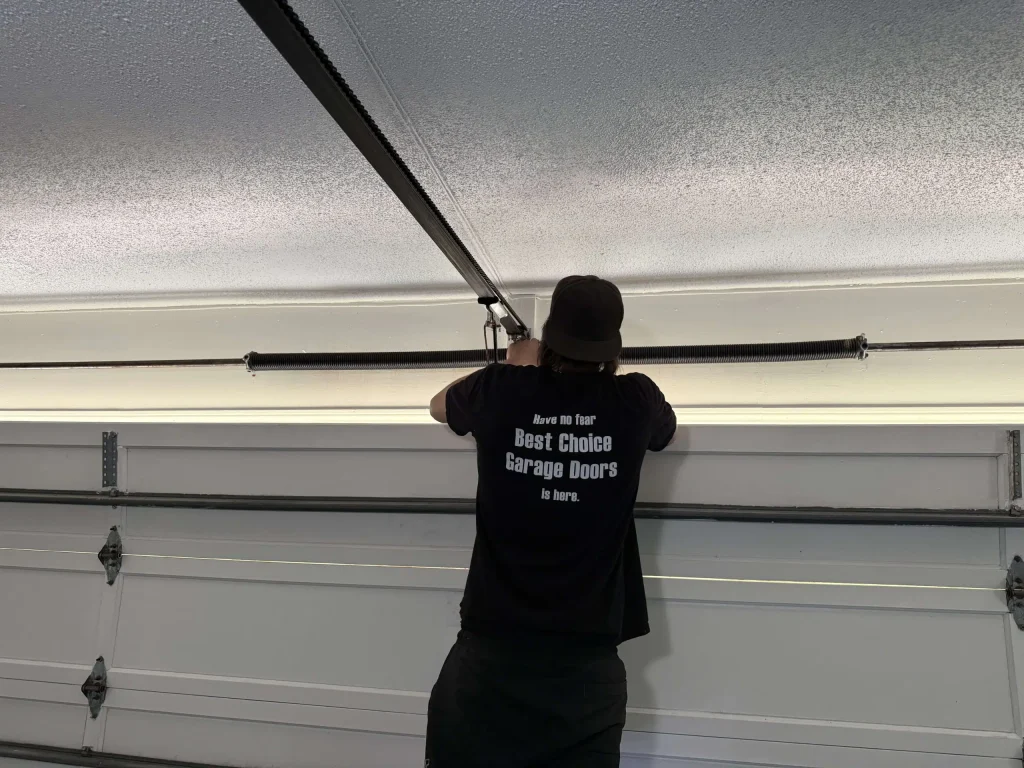
A garage door spring breaks due to a combination of factors, including normal wear and tear, rust buildup, lack of maintenance, temperature fluctuations, and poor-quality or improperly sized springs. Each of those causes follows a different pattern, and understanding which one is at play makes it possible to address the actual problem. Identifying the root cause is what separates a proper broken garage door spring repair from a temporary fix that leads to the same breakdown months down the road. Knowing what weakened the spring in the first place gives homeowners the information needed to protect the entire garage door system from facing the same failure again. What Are Garage Door Springs and How Do They Work? Garage door springs are mechanical components that counterbalance the door’s full weight with each cycle, allowing the opener, cables, and surrounding hardware to function without excessive strain. Feature Torsion Spring Extension Spring Mount Location Above the door opening Along the horizontal tracks on each side How It Works Twists to store and release energy Stretches to generate lifting force Durability Generally longer-lasting Shorter lifespan under heavy use Cycle Rating Up to 20,000+ cycles with high-cycle models Typically rated for 10,000 cycles Common Use Most modern residential garage doors Older or lighter residential doors To recognize when a spring has already failed, read our guide on How to Tell If a Garage Door Spring Is Broken, which covers the most reliable indicators of a spring that has reached the end of its service life. What Causes a Broken Garage Door Spring? Normal Wear and Tear Over Time Every garage door spring has a finite cycle rating, and once that limit is reached, the metal has no capacity left to absorb the stress of daily operation. Watch for these wear patterns: Cycle count, material grade, and daily usage all determine how quickly a spring reaches the point where it needs garage door torsion spring repair. Rust and Corrosion Buildup Rust compromises the structural integrity of a garage door spring long before a visible break appears on the coil. Look out for these corrosion indicators: Lubrication frequency, garage environment, and coastal exposure all determine how quickly rust moves through a spring’s coil structure. Lack of Maintenance Skipping annual garage door service allows small mechanical issues to compound into failures that affect the entire spring system. Maintenance gaps that accelerate spring wear include: Regular garage door maintenance is what keeps small wear patterns from reaching the point of full spring failure. Extreme Temperature Fluctuations Repeated expansion and contraction due to daily temperature fluctuations create internal stress that weakens the spring’s structure over time. Temperature-related stress factors include: Daily temperature range, material grade, and cycle frequency all influence how quickly thermal stress translates into spring failure. Overloading the Door Adding weight to a garage door without recalibrating the spring puts the system under constant strain, which it was never designed to withstand. Common overloading scenarios include: Door weight, spring rating, and hardware additions all factor into how long a spring lasts before a load imbalance causes it to fail. Poor-Quality or Improperly Sized Springs Spring quality and sizing determine how long the component lasts and how safely the door operates from the moment of installation. Key quality and sizing factors include: Substandard garage door spring installation is what causes a spring to fall short of its rated cycle life from the start. What Happens When a Garage Door Spring Breaks? A broken garage door spring removes the counterbalance that the entire system depends on, putting immediate strain on every connected component. Here is what happens when the spring fails: Identifying what the spring failure affected beyond the spring itself is what determines the full scope of repairs needed How to Identify the Cause Behind a Broken Garage Door Spring Pinpointing the cause behind a broken garage door spring requires a focused visual assessment of the spring, hardware, and the door’s operational history. Here is what to check: To confirm whether the door can still be operated safely after a spring failure, read our guide on Can You Open a Garage Door With a Broken Spring?, which walks through the risks and steps involved in moving the door before a repair is made. How to Confirm a Broken Garage Door Spring Cause Confirming the exact cause of a broken garage door spring requires a structured assessment that goes beyond what a basic visual check can reveal. Here is how professionals confirm the cause: A garage door technician uses these findings to determine the correct repair approach and prevent the same failure from recurring. Why Garage Door Spring Repair and Replacement Requires a Professional Garage door spring repair and replacement involve levels of tension and precision that make professional service the only responsible option. Here is why professional service is required: To weigh the risks of attempting this repair without professional help, read our guide on Can You Fix a Broken Garage Door Spring Yourself?, which covers why DIY attempts on spring repairs consistently lead to injury and additional damage. Stop Guessing What Caused Your Garage Door Spring to Break Every broken garage door spring has a root cause, and identifying that cause is what determines whether the next spring lasts its full rated life or fails ahead of schedule. Wear patterns, rust, temperature stress, overloading, and poor installation all leave behind evidence that a trained technician can assess and correct. First Class Garage Doors has the tools, training, and years of experience needed to diagnose the causes of garage door spring failure throughout Los Angeles, CA. Contact us or give us a call today, and let our team inspect your system and address the root cause before it completely takes the door out of service. Frequently Asked Questions
How to Tell If Garage Door Spring Is Broken
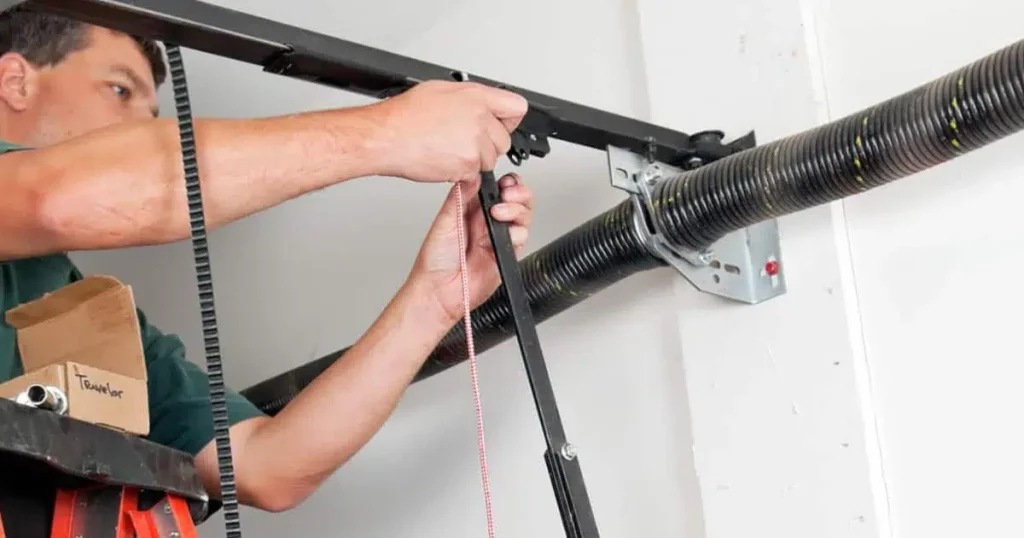
A garage door spring is broken when the door suddenly feels too heavy to lift, makes a loud bang, or refuses to open more than a few inches. These signs point directly to a failed spring system and require immediate attention before the problem spreads to the cables, opener, and other connected components. Broken garage door spring repair is one of the most common service calls technicians handle, yet many homeowners do not recognize the warning signs until the door stops working completely. The signs of a failing spring are specific, identifiable, and worth knowing before the situation turns into a bigger problem. What Happens When a Garage Door Spring Breaks When a garage door spring breaks, the entire system loses the mechanical support it depends on to move the door safely and without placing excessive strain on the opener, cables, and other connected hardware. Here is what happens to the system when the spring fails: To understand what leads a spring to reach this point of failure, read our guide on What Causes a Broken Garage Door Spring?, which covers the most common mechanical and environmental factors behind spring failure in residential garage doors. The Two Types of Garage Door Springs and How Each One Fails Identifying the correct spring type is the first step in knowing where to look and what signs of failure to watch for before the system stops working. Torsion Spring Extension Spring Location Mounted above the door on a metal shaft Runs along the horizontal tracks on each side How it works Winds tightly to store energy and release it to lift the door Stretches and contracts as the door moves up and down How it fails Snaps under extreme tension, leaving a visible 2 to 3 inch gap in the coil Stretches out, snaps in two, or causes cables on one side to go slack Effect on the door Affects the entire door at once Causes one side to drop lower, creating uneven movement Signs of wear Rust, corrosion, and visible coil deformation Stretched coils, tangled cables, and loose hardware Both spring types operate under immense tension and require professional handling when replacement becomes necessary. Signs of a Broken Garage Door Spring Visual and Audible Indicators Physical and audible signs of a broken garage door spring are often the most immediate and unmistakable signals that the spring system has failed. Look for these indicators: Spotting these physical signs early gives homeowners the information needed to call for garage door repair before the door is used again. Operational Signs Functional changes in how the door moves are often the first signals a homeowner notices before any physical damage to the spring becomes visible. Check for these operational changes: Accurately identifying these operational changes indicates a failing spring system that requires emergency garage door repair without delay. How to Confirm a Broken Spring With the Manual Lift Test The manual lift test is the most direct way to confirm whether a broken garage door spring is behind the door’s failure to move normally. Here is how to perform the test correctly: To walk through the risks of operating a door with a failed spring, read our guide on Can You Open a Garage Door With a Broken Spring?, which covers what homeowners need to know before attempting to move the door manually. What to Do After Identifying a Broken Garage Door Spring Confirming a broken garage door spring means stopping use of the door immediately to protect the opener, cables, and surrounding hardware. Here is what to do immediately after identification: Following these steps immediately keeps the repair straightforward and prevents the situation from escalating further. Why Calling a Professional for Garage Door Spring Repair Matters Garage door spring repair involves extreme tension and specialized tools, making professional handling the only practical option for a lasting fix. Here is why professional service is the right call: To determine whether tackling a broken garage door spring repair independently is a viable option, read our guide on Can You Fix a Broken Garage Door Spring Yourself?, which breaks down what the repair actually involves and where the risks lie. Know the Signs of a Broken Garage Door Spring Before It Stops Working A broken garage door spring leaves behind clear signals that are easy to identify once a homeowner knows what to look for. Recognizing a loud bang, a visible coil gap, or a door that feels impossibly heavy points directly to a failed spring system that needs immediate attention. First Class Garage Doors gives Los Angeles homeowners the expertise and hands-on diagnostic knowledge needed to accurately tell when a garage door spring is broken and what the repair requires. Contact us or give us a call today to schedule a full garage door inspection and get the problem resolved by a trained technician. Frequently Asked Questions
Garage Door Won’t Open? When to Repair or Replace
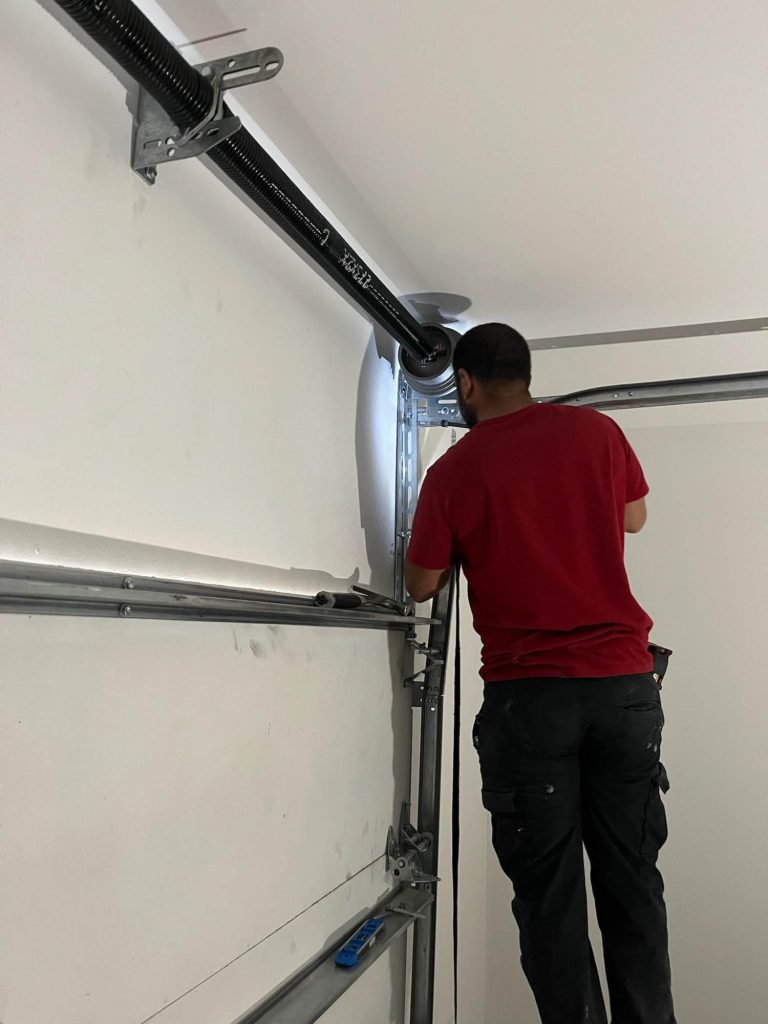
A garage door that won’t open puts the entire household at a standstill, and the real question is whether the problem is worth fixing or if it is time to start fresh with a replacement. That decision is not always obvious, especially when the door appears to be working one day and completely unresponsive the next. Understanding the difference between a repair and a replacement starts with knowing what is actually wrong with the door and how far the damage has spread. A garage door repair can address isolated problems, but a door that keeps breaking down tells a different story about the health of the entire system. Is a Garage Door That Won’t Open Always Worth Repairing? A garage door that won’t open doesn’t always mean the entire system needs to be replaced, and determining whether repair or replacement is the right approach depends entirely on what is actually wrong with the door. Here is what determines the answer: To get a full picture of every major cause behind a garage door that refuses to move, read our guide on Garage Door Won’t Open or Respond? Here’s What’s Going Wrong, which covers every reason a garage door stops responding. Why My Garage Door Won’t Open All the Way A garage door that refuses to open all the way is almost always pointing to a specific mechanical failure that needs to be identified before the problem gets worse. Here are the most common reasons: Identifying the exact culprit behind a garage door that won’t open all the way is the first step toward deciding whether a repair or replacement is the right call. Signs a Garage Door Needs Repair or Replacement A garage door that keeps acting up is giving clear signals about whether the system needs a targeted repair or a full replacement. Here are the signs to watch for: Recognizing these signs early helps avoid the need for emergency garage door repair and makes the decision to repair or replace much clearer. Garage Door Won’t Open? Here’s When to Repair or Replace Common Repairs a Technician Can Fix Many garage door issues stem from simple electrical or alignment problems that require only minor adjustments or part replacements. Here is what typically falls under a standard repair: To learn more about getting the sensors back in working order, read our guide on How to Reset the Sensors on a Garage Door That Won’t Open, which covers every step of the sensor realignment process. Repairs That Require a Professional Only Certain garage door components store significant energy and must be handled only by a professional garage door technician with the right tools and training. Never attempt these without professional help: Handling high-tension components without proper training puts the door and everyone nearby at serious risk. When a Full Garage Door Replacement Makes More Sense Repairs have a limit, and recognizing when that limit has been reached prevents repeated service calls on a system that has already run its course. Replacement becomes the stronger option when: To keep the garage accessible while waiting for a full replacement, read our guide on Garage Door Won’t Open? How to Manually Open It Safely, which walks through the entire manual release process step by step. Key Factors That Affect the Repair or Replace Decision Making the repair-or-replace decision comes down to a few conditions that reveal the true state of the garage door system. Here are the key factors to consider: Weighing these factors together gives homeowners in Los Angeles a clearer picture of which direction makes more sense for their situation. How to Keep a Garage Door Running After a Repair or Replacement Regular upkeep after a garage door repair or replacement is what keeps the system performing well and significantly extends its service life. Here is what consistent garage door maintenance looks like: Los Angeles homeowners who stay consistent with these habits get more years out of their system and avoid unnecessary service calls down the line. When a Garage Door Won’t Open, Repair or Replacement Starts With the Right Call A garage door that won’t open always points to something specific, and identifying the problem correctly leads to a lasting solution. Understanding the line between a repair and a full replacement saves time, money, and unnecessary stress for any homeowner dealing with a door that refuses to respond. First Class Garage Doors brings years of hands-on experience in the garage door industry to every diagnosis, repair, and replacement job across Los Angeles, CA. Contact us or give us a call today, and let our team assess what the system needs to get the door working the way it should again. Frequently Asked Questions
Garage Door Won’t Open? How to Manually Open It Safely
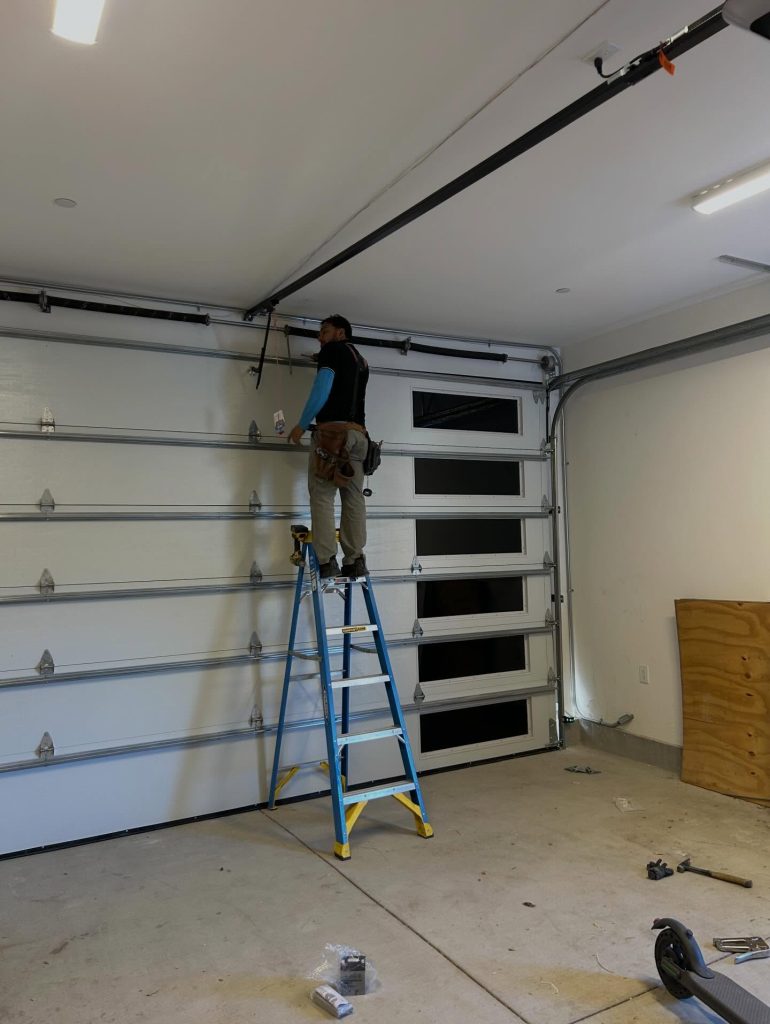
A garage door won’t open and the automatic opener is completely unresponsive, which is a stressful situation that stops the entire day in its tracks. Pulling the red emergency release cord is the most immediate option, but doing it without the proper knowledge can lead to injury or further damage to the system. Manual operation is not complicated, but it does require the right knowledge before attempting garage door repair or touching anything inside the system. This guide covers everything needed to understand why the door stopped working, what to check before going manual, and how to open a garage door safely from start to finish. Why Manual Release Matters When a Garage Door Won’t Open The manual release is the most critical feature on a garage door, and most homeowners never think about it until the automatic opener stops working completely and the door is stuck in place with no obvious way out. Here is why it matters: To get a full picture of everything that could be stopping the door from responding, read our guide on Garage Door Won’t Open or Respond? Here’s What’s Going Wrong, which covers every major cause behind a garage door that refuses to move. What Happens Inside a Garage Door When It Won’t Open Understanding the internal mechanics of a garage door makes it much easier to figure out why the automatic system stopped responding. What is actually happening inside the system: These components working together explain why a garage door won’t open and why manual operation becomes necessary when the system fails. What to Prepare Before Manually Opening a Garage Door Having the right items ready before manually opening a garage door makes the entire process more controlled and reduces the chance of injury. What to have on hand before starting: Preparing these items before starting manual operation ensures the process goes smoothly without interruptions or safety risks. Safety Precautions Before Manually Opening a Garage Door Manual operation comes with real safety risks, and knowing what to watch for before touching the door can prevent injury and further damage to the system. Every precaution to take before touching anything: Taking these precautions before manual operation reduces the most common safety risks and helps avoid a situation that calls for emergency garage door repair. What to Check First When a Garage Door Won’t Open A garage door won’t open for many reasons, and checking these key areas first can save time and prevent an unnecessary service call. Common areas to inspect before going manual: To get a full walkthrough on fixing a sensor problem before it leads to costly repairs, read our guide on How to Reset the Sensors on a Garage Door That Won’t Open, which covers every step of the identification and reset process. How to Manually Open a Garage Door Safely Step 1 — Close the Door Completely First Pulling the emergency release cord on a partially open door puts the full weight of the door on whoever is standing beneath it. Before touching the cord: Starting with the door fully closed is the one step that keeps the entire manual process controlled and predictable. Step 2 — Disengage the Manual Lock A manual lock left engaged will prevent the door from lifting even after the emergency release cord has been pulled. Steps to disengage the manual lock: Disengaging every lock point before pulling the cord keeps the manual operation process smooth from start to finish. Step 3 — Pull the Emergency Release Cord The red emergency release cord is the only thing connecting the trolley to the carriage, and one clean pull is all it takes to shift the door into manual mode. Pulling the cord correctly means: One smooth pull on the emergency release cord is all that is needed to fully disengage the trolley from the carriage. Step 4 — Lift the Door Manually the Right Way Proper lifting technique protects both the person operating the door and the garage door’s springs from unnecessary strain. Lifting the door correctly means: Pausing at any sign of resistance during the lift protects the springs, cables, and tracks from additional strain. Step 5 — Secure the Door in Place An unsecured manually opened garage door can slide down without warning and cause serious injury to anyone beneath it. Ways to secure the door after lifting: Securing the door after manual operation is standard, and a persistent opener issue after reconnecting often points to garage door sensor repair. How to Reconnect the Garage Door Opener After Manually Opening It Once the door has been manually operated, reconnecting the opener is a straightforward process that restores full automatic functionality to the system. Steps to reconnect the opener: If the trolley fails to reconnect after following these steps, garage door opener repair may be needed to address a deeper issue inside the motor unit. When to Stop and Call a Pro After Manually Opening a Garage Door Manual operation has its limits, and specific signs after opening a garage door by hand point directly to a problem that requires a professional garage door technician. Signs it is time to call a pro: To determine whether the situation calls for a repair or a full replacement, read our guide on Garage Door Won’t Open? When to Repair or Replace, which covers every major indicator that points to the right decision. Learning How to Manually Open a Garage Door Is the First Step Toward Getting It Fixed Every garage door has a manual release for a reason, and knowing how to use it correctly makes all the difference when the automatic system stops working without warning. Manual operation is a practical first step, but a garage door that won’t open repeatedly signals that a professional inspection is long overdue. First Class Garage Doors provides honest diagnostics, reliable repairs, and thorough garage door inspections for every type of opener, spring, and sensor issue across Los Angeles, CA. Contact us or give us a call today