



The most common causes behind a noisy garage door are dry hinges, loose hardware, worn rollers, and an aging opener, each producing a distinct sound that points directly to the source. Identifying which cause applies to a specific door is the fastest way to choose the right fix instead of guessing at a solution.
These causes respond differently to treatment, since basic garage door maintenance resolves several of them while others point toward a component nearing the end of its usable life. This guide breaks down each cause in detail, what it typically sounds like, and what usually needs to happen once the source is confirmed.
Key Takeaways
- Dry hinges and rollers are the most frequent source of squeaking noise
- Loose hardware vibrates loudly during every open and close cycle
- Worn metal rollers create a grinding sound that lubricant alone cannot fix
- An aging opener often strains audibly before it fails completely
- Dirt buildup in the tracks adds friction that gradually increases noise over time
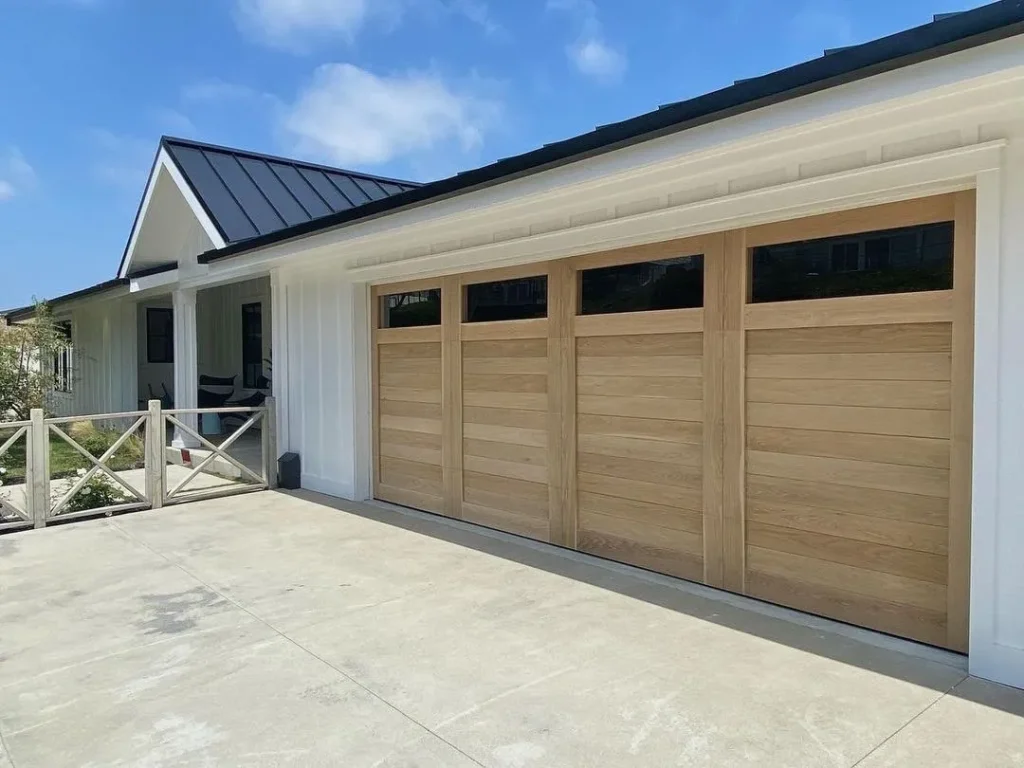
Common Causes Behind a Noisy Garage Door
Recognizing which of these causes applies helps determine whether a quick fix or a bigger repair is the right next step.
| Cause | What It Means | Recommended Action |
| Dry or Worn Hinges and Rollers | Friction at contact points from lost lubrication | Lubricate, monitor for return |
| Loose Hardware and Mounting Brackets | Vibration from fasteners shifting over time | Tighten within the next few days |
| Worn Metal Rollers | Rollers grinding against the tracks | Replace within the next few weeks |
| Unbalanced or Aging Opener | Motor and drive system under strain | Have the opener inspected soon |
| Dirt Accumulation in the Tracks | Debris adding resistance during movement | Clean tracks, monitor for return |
The following causes account for most noise complaints homeowners report during a typical garage door inspection.
Dry or Worn Hinges and Rollers
Squeaking that develops gradually over several months almost always traces back to hinges or rollers that have lost their lubrication.
A few conditions typically drive this kind of wear:
- Original factory lubricant breaking down after months of regular use
- Dust and debris mixing with old grease to create added friction
- Exposure to changing temperatures drying out the lubricant faster than expected
- Hinges pivoting thousands of times per year without any reapplication
- Rollers rotating constantly along the same worn contact points
To find out exactly how often this maintenance step needs to happen, read our guide on How Often to Lubricate a Garage Door to Prevent Noise, which lays out a full schedule based on how frequently the door gets used.
Loose Hardware and Mounting Brackets
Rattling that seems to shift location during a cycle usually comes from hardware that has worked itself loose over time.
A number of factors contribute to this kind of noise:
- Constant vibration from daily use gradually loosening bolts and screws
- Brackets mounted without enough clearance for natural door movement
- Age causing washers and fasteners to lose their original grip
- Nearby loose hardware compounding vibration across multiple sections
- Wood framing shifting slightly and loosening anchor points over time
To see the full range of fixes that address this and other causes at once, read our guide on How to Make a Garage Door Quieter Without a Technician, which covers every step from lubrication to hardware upgrades.
Worn Metal Rollers
Grinding that continues even after fresh lubrication usually points to rollers that have worn down past the point lubricant can help.
The grinding itself tends to trace back to the following:
- Metal-on-metal contact once the roller’s protective coating wears away
- Years of steady use gradually flattening the roller’s original shape
- Debris trapped inside the roller housing adding constant friction
- Sectional garage door systems placing extra strain on rollers near the corners
- A roller nearing the end of its expected service life
A rusted or flattened roller rarely improves with additional lubrication and typically needs garage door roller replacement before the grinding stops.
Unbalanced or Aging Opener
A motor that strains audibly during each cycle often signals an opener nearing the end of its expected lifespan.
Watch for these garage door opener-related warning signs:
- The motor working harder than normal to lift the same door weight
- A chain-drive system producing a louder clank with every cycle
- The opener shutting down mid-cycle when resistance exceeds its rated capacity
- Belts or chains showing visible wear after years of daily operation
- The old opener requiring more time to complete a full cycle than before
To hear the exact difference between this kind of noise and other common sounds, read our guide on What Does Each Garage Door Sound Mean?, which breaks down what each specific sound usually indicates.
Dirt Accumulation in the Tracks
A grinding or scraping sound near the base of the door often comes from dirt and debris that has built up inside the tracks.
These conditions typically explain the buildup:
- Garages exposed to outside elements collecting dust and debris faster
- Old grease mixing with dirt to form a thick residue inside the tracks
- Infrequent cleaning allowing small particles to accumulate unnoticed
- Track misalignment trapping debris in one section more than others
- Seasonal weather changes tracking in more dirt during certain months
A quick wipe of the tracks during routine garage door service often prevents this cause from developing into a persistent noise problem.
What Comes Next Once the Cause Is Identified
Confirming which cause applies makes it far easier to choose the right fix instead of guessing at a solution that may not address the actual problem.
Take these steps once the cause has been narrowed down:
- Match the identified cause to its corresponding fix, starting with the least invasive option
- Test the door through several cycles after applying any fix to confirm the noise is gone
- Schedule a professional inspection if the cause is not clear after a visual check
- Keep a simple log of when the noise started and any changes since then
- Avoid combining multiple untested fixes at once, since it makes the actual cause harder to confirm
Ruling out the simplest causes first, such as lubrication and loose hardware, often resolves the issue before a more extensive repair becomes necessary.
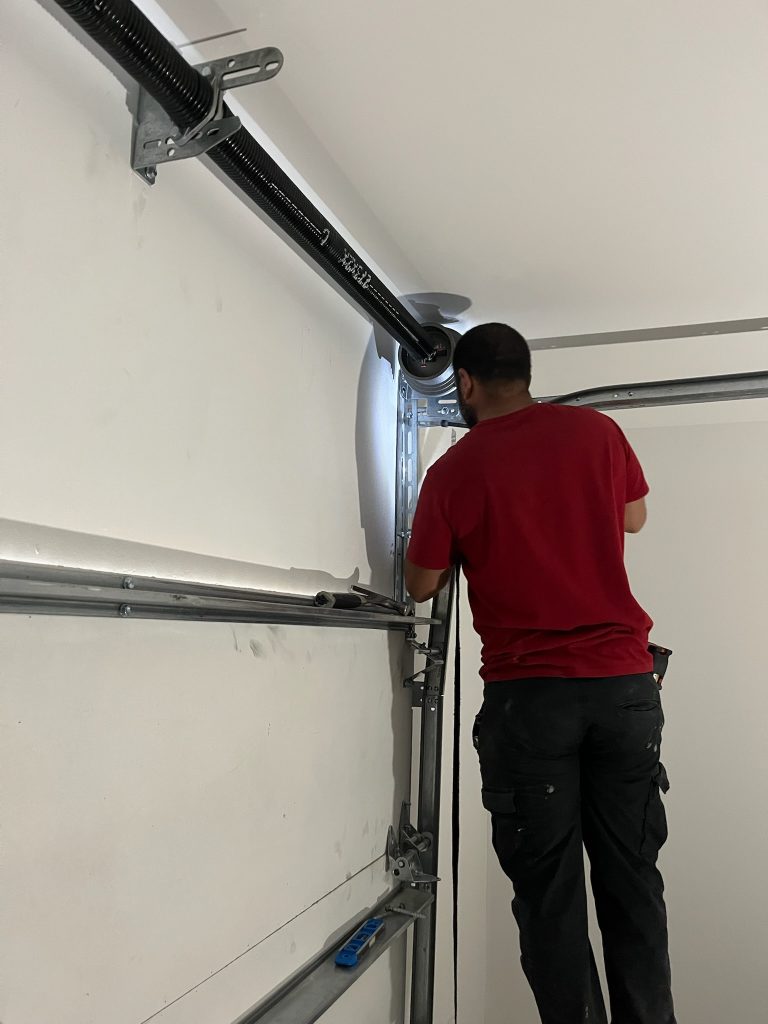
Understanding the Cause Is the First Step to a Quieter Garage Door
A noisy garage door almost always has an identifiable cause, and pinpointing it early prevents a small annoyance from turning into a larger mechanical failure. Different causes call for different fixes, so knowing which one applies saves both time and unnecessary expense.
First Class Garage Doors helps homeowners throughout Los Angeles, CA, identify the exact source of a noisy garage door before it leads to a bigger repair. Contact us or give us a call today, and let our team confirm the cause and get the door running quietly again for good.
Frequently Asked Questions
Can a noisy garage door fix itself over time without any repair?
No, mechanical noise caused by friction or worn moving parts typically gets worse rather than better without some form of intervention. Waiting too long often turns little attention to loose parts into a repair that takes much lubrication and effort to reverse.
How can I tell if the noise is coming from the opener or the door itself?
Noise from the opener usually sounds like a strained hum of the motor, while noise from the door tends to come from the garage door tracks or rollers. Watching the whole operation during a slow test cycle often reveals exactly where the sound originates.
Does the age of a garage door affect how much noise it makes?
Yes, older automated garage door systems accumulate wear on garage door hinges, nylon rollers, and hardware, which naturally increases the external noise they produce. A new door typically runs quietly until this normal wear begins.
Is a noisy garage door always a sign of a serious problem?
Not every noise points to a serious issue, since improper lubrication or a safety hazard like loose hardware are common and easy to address. Persistent grinding or uneven operation is more likely to signal a deeper mechanical problem that requires the team to address issues early.
Can weather conditions cause a garage door to become noisier?
Yes, temperature swings cause the metal components of your garage door to expand and contract, leading to friction and loud vibrations. An insulated garage door with proper insulation panels experiences less of this temperature-driven noise than one without garage door insulation.
How often should hardware be checked for looseness to prevent noise?
Checking the garage door's mounting every few months is generally enough to catch numerous squeaks before they grow louder. Doors used multiple times daily may benefit from top maintenance tips applied more frequently, since less maintenance early on often means more repairs later.
Will replacing one noisy component stop all the noise from a garage door?
Replacing one part often resolves the noise tied specifically to that component, but a worthwhile investment in a full inspection confirms whether other causes remain, including critical spring adjustments near the accessible springs.
What tools are needed to check for the common causes of garage door noise?
A soft cloth, an oily cloth, and a can of silicone spray cover most of the issues homeowners can address themselves to ensure optimal performance and quiet movement. More complex issues, such as worn internal hinges or sectional doors losing alignment, usually require professional maintenance.
When should a professional be called instead of attempting a fix at home?
A professional technician should be called when the noise involves the lifespan of the opener or springs, or concerns about energy efficiency. This kind of visit goes a long way toward confirming the cause and protecting the home's peace, without adding unnecessary noise to daily life.


