



Garage door components typically need lubrication every three to six months, though hinges and rollers on doors used multiple times daily may need it closer to every three months. Sticking to a consistent garage door maintenance schedule is one of the most effective ways to prevent the friction that leads to squeaking and grinding.
Different parts of the door wear at different rates, so a single blanket schedule rarely covers every component’s actual needs. This guide breaks down exactly how often each part should be lubricated, the correct process for each one, and which parts should never receive lubricant at all.
Key Takeaways
- Hinges and rollers typically need lubrication every three to six months
- Torsion springs benefit from lubrication once or twice a year at most
- The opener rail and arm connection should be lubricated alongside the rest of the door
- Metal tracks should never receive lubricant directly, since it attracts debris
- Doors used multiple times daily may need more frequent attention than average
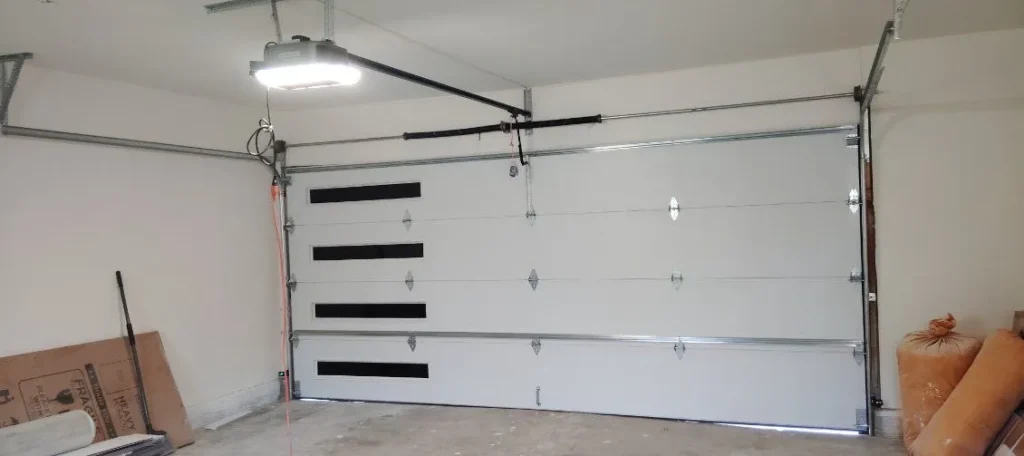
How Often Different Parts Need Lubrication
Each part of a garage door system wears differently, so matching the right frequency to the right part prevents both under-lubrication and unnecessary buildup.
| Part | Recommended Frequency | Lubricant Type |
| Hinges | Every 3 to 6 months | Silicone-based spray |
| Rollers | Every 3 to 6 months | White lithium grease |
| Torsion Springs | Once or twice a year | White lithium grease |
| Opener Rail and Arm | Every 6 months | Lithium-based grease |
| Tracks | Never | Cleaning only, no lubricant |
The sections below explain the correct process for each part, along with what makes its schedule different from the others.
Hinges
Hinges typically need fresh lubricant every three to six months, though doors opened several times a day may need attention closer to the three-month mark.
Follow this process when lubricating the hinges:
- Wipe away any old grease or dirt buildup before applying anything new
- Apply silicone spray or a dedicated garage door lubricant directly to the pivot point
- Work the door through a few open and close cycles to distribute the product evenly
- Wipe away any excess with a soft cloth so it does not attract dust
To see the full range of fixes this maintenance step supports beyond just the hinges, read our guide on How to Make a Garage Door Quieter Without a Technician, which covers every method that restores quiet movement.
Rollers
Rollers generally need lubrication on the same three- to six-month schedule as hinges, since both parts experience similar friction during regular use.
Follow this process when lubricating the rollers:
- Apply white lithium grease directly to the roller bearings and stems
- Avoid lubricating nylon rollers excessively, since they need far less product than metal ones
- Rotate the roller by hand if possible to work grease into the bearing
- Check for uneven wear while applying the lubricant, since this often signals a bigger issue
To find out exactly what that kind of uneven wear across the rollers usually means for the rest of the door, read our guide on What Causes a Noisy Garage Door?, which breaks down every common cause behind that specific pattern in detail.
Torsion Springs
Torsion springs need far less frequent attention than hinges or rollers, typically once or twice a year at most.
Follow this process when lubricating torsion springs, with safety in mind at every step:
- Apply a small amount of white lithium grease along the length of the coil
- Avoid touching the spring directly, since it holds significant stored tension
- Wipe any excess grease away so it does not drip onto other components
- Leave any adjustment or tension work to a professional, since this step is lubrication only
Torsion springs hold enough tension that lubrication needs caution, and a worn spring calls for garage door torsion spring repair instead.
Opener Rail and Arm
The opener rail and arm connection should be lubricated roughly every six months, aligning with a broader maintenance routine for the rest of the door.
Follow this process when lubricating the opener rail and arm:
- Apply lithium-based grease along the length of the rail where the trolley travels
- Add a small amount to the arm connection where it meets the door bracket
- Wipe away any buildup of old grease mixed with dust before reapplying
- Run the opener through a full cycle afterward to confirm smooth movement
To hear exactly what it sounds like when this specific part begins to fail over time, read our guide on What Do Different Garage Door Sounds Mean?, which explains in detail what a straining motor typically indicates.
Tracks
Tracks should never be lubricated directly, since grease and oil attract dirt and debris that make the noise worse rather than better.
Follow this process for maintaining the tracks instead:
- Wipe the inside of the tracks with a dry or slightly oily cloth free of debris
- Remove any dirt accumulation that has built up since the last cleaning
- Check for misalignment or bends while cleaning, since these affect the whole system
- Avoid any product marketed as a degreaser, since it strips protective coatings elsewhere
Keeping the tracks clean rather than lubricated protects the rollers and hardware that rely on them daily, and a bent track calls for garage door off track repair.
Building a Lubrication Habit That Actually Sticks
A lubrication schedule only works if it becomes a consistent habit rather than something remembered only after the noise returns.
Consider these steps for building a routine that lasts:
- Set a recurring reminder every three months to check hinges, rollers, and the opener rail
- Keep the lubricant and a soft cloth stored somewhere easy to access in the garage
- Pair lubrication with another regular task, like checking the tracks for debris
- Note any changes in sound or movement each time to catch new issues early
- Replace lubricant that has dried out or changed texture before applying more
A habit built around a fixed schedule keeps the system quieter for longer, and pairing it with occasional garage door service addresses what lubrication alone cannot fix.
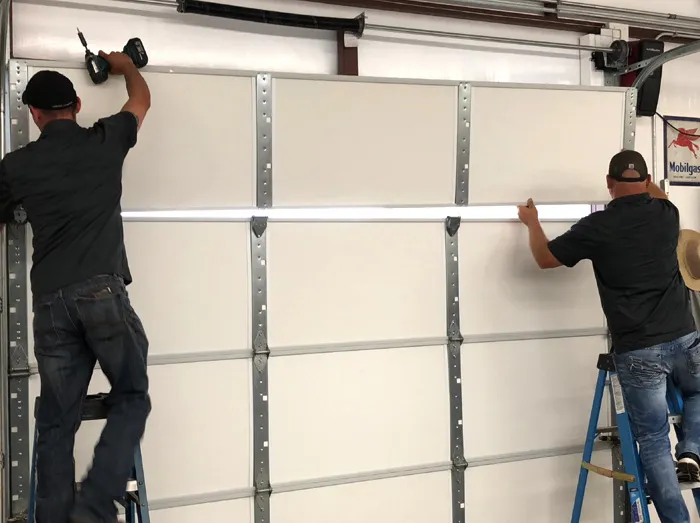
A Simple Habit That Keeps a Garage Door Running Quietly
Lubrication is one of the easiest maintenance tasks a homeowner can handle, and sticking to the right schedule prevents most of the common noise complaints covered elsewhere in this guide. A door that receives consistent attention rarely develops the grinding or squeaking that signals a bigger repair.
First Class Garage Doors reminds homeowners throughout Los Angeles, CA, that a few minutes of maintenance every few months goes further than most people expect. Contact us or give us a call today, and let our team build a maintenance plan suited to the specific door.
Frequently Asked Questions
Can too much lubricant cause any problems?
Yes, excess lubricant attracts dirt and debris, which creates a thicker buildup than the light coating actually needed. A light amount applied with little attention to over-application works better than much lubrication applied less often.
Does the type of garage door affect how often it needs lubrication?
A sectional garage door with more moving joints may require slightly more frequent attention than a sectional door with fewer panels. Heavier doors also place more strain on garage door hinges and garage door rollers, and skipping maintenance here can turn into a safety hazard over time.
Is WD-40 a good substitute for a dedicated garage door lubricant?
No, WD-40 acts as a degreaser rather than a lubricant, which means it can strip existing grease and cause improper lubrication issues over time. A dedicated silicone spray or white lithium grease is the better choice for regular maintenance.
How can I tell if a part needs lubrication sooner than scheduled?
New squeaking or grinding sounds between scheduled maintenance sessions usually mean loose hardware needs attention ahead of the usual timeline. Noticing this early goes a long way toward preventing uneven operation that strains the rest of the door.
Should the garage door opener itself be lubricated?
The opener’s rail-and-arm connection benefits from lubrication, but the motor housing and internal hinges on the unit should never be lubricated directly. Only the whole operation of the moving mechanical parts needs this kind of attention, not the unit's internal wiring.
Can lubricating the door improve its energy efficiency?
Lubrication itself does not affect insulation, but a smoothly operating door places less strain on the opener, which can extend the lifespan of the opener. Pairing lubrication with proper garage door insulation addresses both unnecessary noise and efficiency at the same time.
How long does it take to lubricate an entire garage door?
Lubricating hinges, rollers, and the opener rail typically takes fifteen to twenty minutes for most residential doors, following just a few simple steps. Doors with more panels or an automated garage door system may take slightly longer during the first thorough application.
What tools are needed to lubricate a garage door properly?
A can of silicone spray or white lithium grease, along with a soft cloth for cleanup, covers most of what a homeowner needs for optimal performance. This kind of small worthwhile investment in routine care keeps garage door tracks, hinges, and the opener rail running smoothly under normal circumstances.
Is professional maintenance still necessary if lubrication is done regularly?
Regular lubrication handles most basic maintenance needs, but a professional technician offering professional service once a year helps catch issues lubrication alone cannot fix. This includes checking accessible springs and overall balance across the system, which protects the loose parts and home’s peace over time.


