



A garage door won’t open and the automatic opener is completely unresponsive, which is a stressful situation that stops the entire day in its tracks. Pulling the red emergency release cord is the most immediate option, but doing it without the proper knowledge can lead to injury or further damage to the system.
Manual operation is not complicated, but it does require the right knowledge before attempting garage door repair or touching anything inside the system. This guide covers everything needed to understand why the door stopped working, what to check before going manual, and how to open a garage door safely from start to finish.
Why Manual Release Matters When a Garage Door Won’t Open
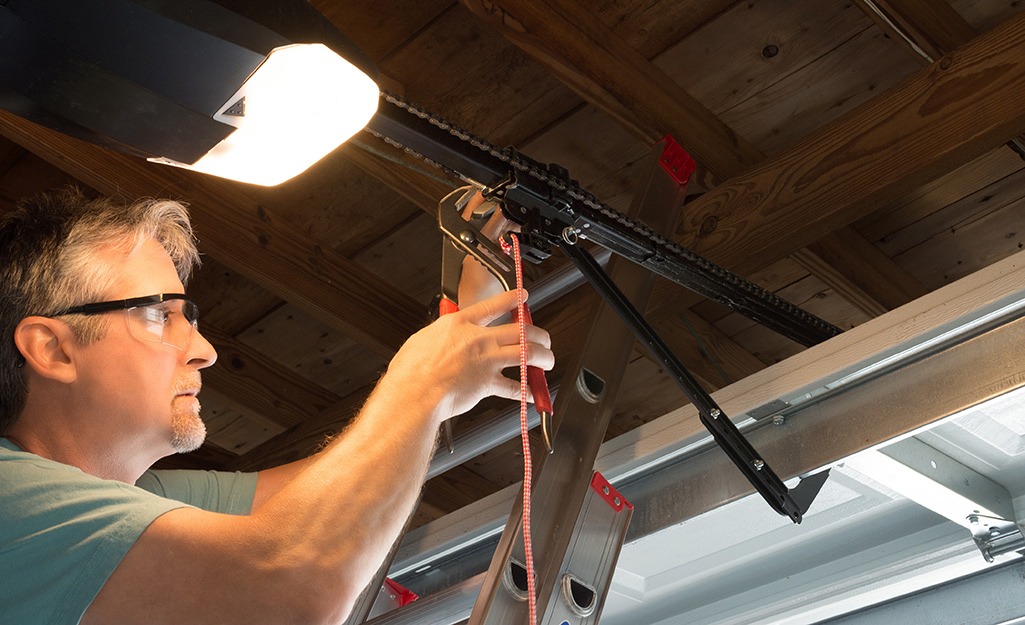
The manual release is the most critical feature on a garage door, and most homeowners never think about it until the automatic opener stops working completely and the door is stuck in place with no obvious way out.
Here is why it matters:
- The opener loses power during an outage and leaves the door completely locked in place
- A motor malfunction stops the trolley from moving along the rail
- A broken spring or cable makes the opener unable to carry the weight of the door
- Sensor interference or misalignment causes the system to shut down automatically
- A tripped circuit breaker cuts power to the entire garage door opener motor
To get a full picture of everything that could be stopping the door from responding, read our guide on Garage Door Won’t Open or Respond? Here’s What’s Going Wrong, which covers every major cause behind a garage door that refuses to move.
What Happens Inside a Garage Door When It Won’t Open
Understanding the internal mechanics of a garage door makes it much easier to figure out why the automatic system stopped responding.
What is actually happening inside the system:
- The motor unit powers the trolley that moves the door along the rail
- A disconnected carriage and trolley means the opener cannot function
- The emergency release cord shifts the door into full manual operation
- Broken spring tension removes the counterbalance needed to lift the door
- Safety sensors stop the opener when something blocks the path of the door
These components working together explain why a garage door won’t open and why manual operation becomes necessary when the system fails.
What to Prepare Before Manually Opening a Garage Door
Having the right items ready before manually opening a garage door makes the entire process more controlled and reduces the chance of injury.
What to have on hand before starting:
- A flashlight or phone light if the garage has limited visibility
- Work gloves to protect hands while lifting the door
- Locking pliers or a clamp to secure the door once it is fully open
- A rubber mallet in case the door needs a light tap to break free from rust or debris
- A step stool if the emergency release cord is out of reach
Preparing these items before starting manual operation ensures the process goes smoothly without interruptions or safety risks.
Safety Precautions Before Manually Opening a Garage Door
Manual operation comes with real safety risks, and knowing what to watch for before touching the door can prevent injury and further damage to the system.
Every precaution to take before touching anything:
- Clear the path of the door from any obstruction, small items, or debris before starting
- Keep children and pets away from the sides of the door and the area beneath it
- Never attempt manual operation if a broken spring or damaged cable is visible
- Always stand to the side of the door rather than directly in front of it
- Check for rust, dents, or damage on the tracks and rollers before lifting
Taking these precautions before manual operation reduces the most common safety risks and helps avoid a situation that calls for emergency garage door repair.
What to Check First When a Garage Door Won’t Open
A garage door won’t open for many reasons, and checking these key areas first can save time and prevent an unnecessary service call.
Common areas to inspect before going manual:
- Check the remote batteries and keypad to rule out a simple signal issue
- Look at the breaker panel for a tripped circuit breaker cutting power to the opener
- Inspect the torsion spring above the door for any visible gap or separation
- Examine the tracks and rollers on both sides of the door for debris or alignment issues
- Look at the safety sensors near the bottom of the door for dirt, damage, or misalignment
To get a full walkthrough on fixing a sensor problem before it leads to costly repairs, read our guide on How to Reset the Sensors on a Garage Door That Won’t Open, which covers every step of the identification and reset process.
How to Manually Open a Garage Door Safely
Step 1 — Close the Door Completely First
Pulling the emergency release cord on a partially open door puts the full weight of the door on whoever is standing beneath it.
Before touching the cord:
- Confirm the bottom panel is flush with the ground on both sides
- Check that no gaps are visible between the door and the floor
- Make sure the door is not tilted or uneven along the tracks
- Confirm the manual lock is fully disengaged before proceeding
- Look at both sides of the door for anything caught in the tracks
Starting with the door fully closed is the one step that keeps the entire manual process controlled and predictable.
Step 2 — Disengage the Manual Lock
A manual lock left engaged will prevent the door from lifting even after the emergency release cord has been pulled.
Steps to disengage the manual lock:
- Locate the slide bar or handle on the inside of the door
- Slide the lock bar fully to the open position
- Check for a keyed lock on the outside and confirm it is also open
- Look for additional locking points on older residential garage doors
- Forcing a locked door after pulling the cord can damage the trolley and carriage
Disengaging every lock point before pulling the cord keeps the manual operation process smooth from start to finish.
Step 3 — Pull the Emergency Release Cord
The red emergency release cord is the only thing connecting the trolley to the carriage, and one clean pull is all it takes to shift the door into manual mode.
Pulling the cord correctly means:
- Locating the red cord hanging directly from the trolley on the rail above
- Pulling straight down with one smooth and steady motion
- Listening for the click that confirms the trolley has disconnected
- Avoiding any sideways or angled pulling motion
- Stopping after one pull regardless of whether movement is felt immediately
One smooth pull on the emergency release cord is all that is needed to fully disengage the trolley from the carriage.
Step 4 — Lift the Door Manually the Right Way
Proper lifting technique protects both the person operating the door and the garage door’s springs from unnecessary strain.
Lifting the door correctly means:
- Placing both hands at the center of the bottom panel
- Bending both knees and using leg muscles for the heavy lifting
- Moving the door upward in one smooth and steady motion
- Pausing immediately if the door feels extremely heavy or does not move
- Stopping completely if grinding or scraping is felt on either side
Pausing at any sign of resistance during the lift protects the springs, cables, and tracks from additional strain.
Step 5 — Secure the Door in Place
An unsecured manually opened garage door can slide down without warning and cause serious injury to anyone beneath it.
Ways to secure the door after lifting:
- Clamp locking pliers onto the track just below a roller on both sides
- Slide the manual lock bar across the inside of the door
- Confirm the door is fully raised before walking or driving underneath
- Place a visible reminder near the opener to avoid pressing the remote control accidentally
- Never assume the door will hold its position without physical reinforcement
Securing the door after manual operation is standard, and a persistent opener issue after reconnecting often points to garage door sensor repair.
How to Reconnect the Garage Door Opener After Manually Opening It
Once the door has been manually operated, reconnecting the opener is a straightforward process that restores full automatic functionality to the system.
Steps to reconnect the opener:
- Close the door completely before attempting to reconnect the trolley to the carriage
- Pull the emergency release cord toward the door to reposition the trolley on the rail
- Press the wall button or remote control to activate the opener motor
- Listen for the click that confirms the trolley has locked back into the carriage
- Run the door through one full open and close cycle to confirm everything is working
If the trolley fails to reconnect after following these steps, garage door opener repair may be needed to address a deeper issue inside the motor unit.
When to Stop and Call a Pro After Manually Opening a Garage Door
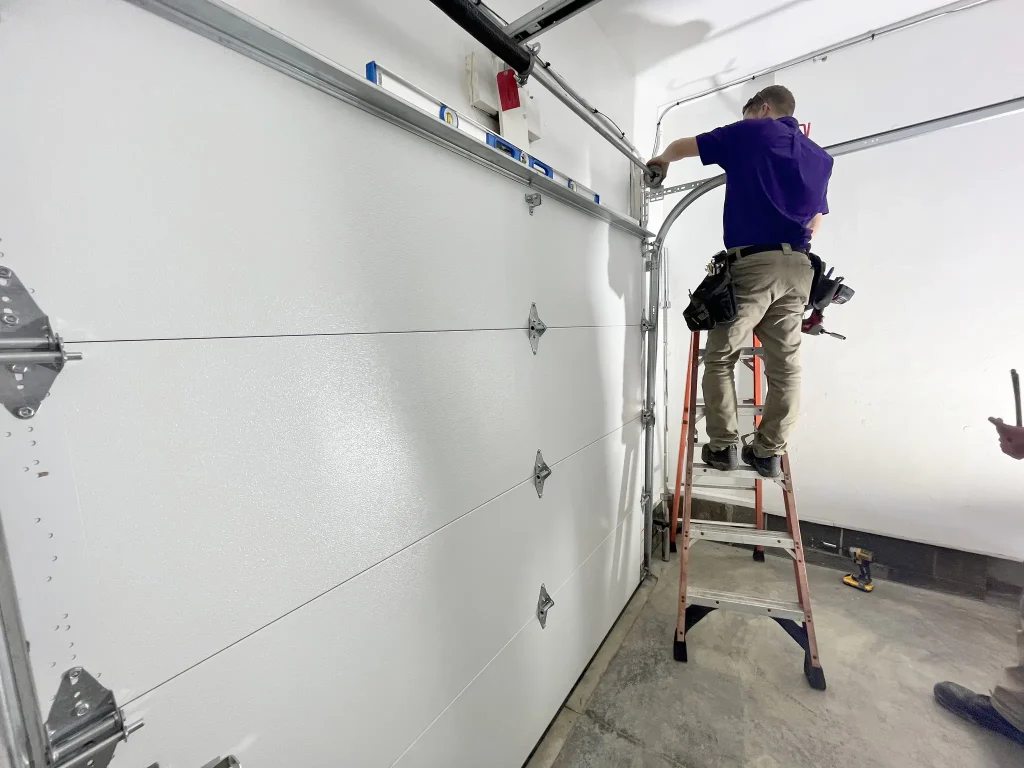
Manual operation has its limits, and specific signs after opening a garage door by hand point directly to a problem that requires a professional garage door technician.
Signs it is time to call a pro:
- The door feels extremely heavy to lift even with proper form and both hands
- Visible damage to the torsion spring, cables, or tracks is present
- The door moves unevenly or tilts to one side during manual lifting
- Repeated manual operation is needed because the automatic system keeps failing
- Grinding or scraping sounds come from the sides of the door during movement
To determine whether the situation calls for a repair or a full replacement, read our guide on Garage Door Won’t Open? When to Repair or Replace, which covers every major indicator that points to the right decision.
Learning How to Manually Open a Garage Door Is the First Step Toward Getting It Fixed
Every garage door has a manual release for a reason, and knowing how to use it correctly makes all the difference when the automatic system stops working without warning. Manual operation is a practical first step, but a garage door that won’t open repeatedly signals that a professional inspection is long overdue.
First Class Garage Doors provides honest diagnostics, reliable repairs, and thorough garage door inspections for every type of opener, spring, and sensor issue across Los Angeles, CA. Contact us or give us a call today and let our team assess exactly what is keeping the garage door from operating the way it should.
Frequently Asked Questions
Is it normal for a garage door to feel heavy when lifted manually?
No, a properly functioning garage door should feel relatively light due to the counterbalance provided by the springs. A door that feels extremely heavy during manual lifting is a strong indicator that the springs are worn or broken and need professional attention.
Why my garage door won't open all the way even after switching to manual mode?
A door that stops midway during manual operation usually points to a track obstruction, a damaged roller, or an imbalance in the spring system. Checking both sides of the tracks for debris or visible damage is the first step before attempting to lift the door again.
Can the emergency release cord break or wear out over time?
Yes, the cord itself can fray, snap, or detach from the trolley after years of use. Inspecting the cord periodically for visible wear and confirming it is still properly connected to the trolley keeps the manual release ready when it is needed most.
What happens to the automatic lock when a garage door is switched to manual mode?
Most modern garage doors disengage the automatic locking mechanism when the trolley is disconnected from the carriage. This means the door relies entirely on a manual lock bar or locking pliers to stay secured while in manual mode.
Is it possible to reconnect the garage door opener trolley without pressing the remote?
Yes, some garage door systems reconnect the trolley automatically when the door is manually moved to the fully closed position. Other systems require the opener to be activated via the wall button or remote to pull the trolley back into place along the rail.
How do I know if the trolley successfully reconnected to the carriage after manual mode?
Running the door through one full open and close cycle after pressing the wall button or remote is the most reliable confirmation. If the door moves smoothly and completely in both directions without stopping, the trolley has reconnected properly to the carriage.
Can manually operating a garage door void any existing service agreements?
Using the emergency release cord correctly and for its intended purpose does not typically void service agreements. Forcing the door, pulling the cord at an angle, or operating the door manually while it is damaged may affect the condition of the system and any related agreements.
Why does the garage door drop quickly instead of staying open after manual lifting?
A door that drops immediately after being lifted manually indicates the springs are no longer providing enough counterbalance to hold the weight of the door. This condition makes manual operation unsafe and requires a professional inspection before the door is used again.
How often should the emergency release mechanism be tested on a residential garage door?
Testing the emergency release mechanism at least once a year is a good practice for every homeowner. A quick test confirms the cord is intact, the trolley disengages properly, and the door can be operated manually without any issues when a real emergency occurs.


