



How to Reset the Sensors on a Garage Door That Won’t Open
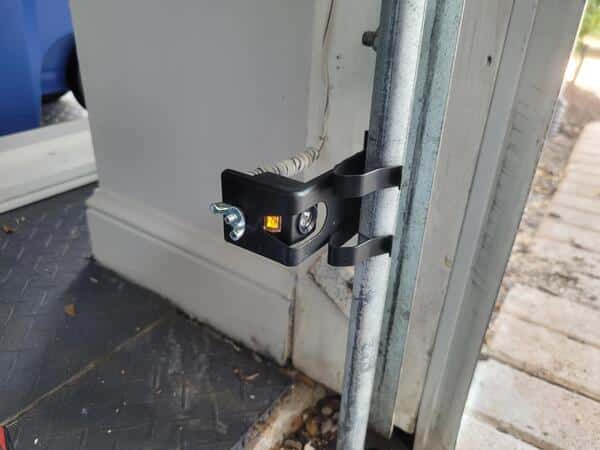
Garage door sensors are a critical safety feature that keeps the door from closing on people, pets, and objects, and when they stop working, the entire door stops responding. A sensor that is dirty, misaligned, or losing power is one of the most common reasons a garage door won’t open, even when the opener runs normally. Resetting the sensors is often the first step in any garage door repair process, and understanding how to do it correctly can prevent the problem from coming back. This guide covers the root causes of sensor failure, a full step-by-step reset process, and clear guidance on when the problem needs professional attention. Why Knowing How to Reset Garage Door Sensors Matters Sensor failure is one of the most common reasons a garage door won’t open, and most homeowners spend time checking the remote control or the opener before they ever think to look at the sensors. Here is why sensor problems often go unnoticed: To get a full picture of everything that could be stopping the door from responding, read our guide on Garage Door Won’t Open or Respond? Here’s What’s Going Wrong, which covers every major cause behind a garage door that refuses to move. Common Reasons Garage Door Sensors Stop Working Sensor problems rarely appear out of nowhere, and understanding what triggered the issue in the first place makes finding the right fix much easier. Here are the most common causes worth checking first: Pinpointing the cause early avoids unnecessary garage door sensor repairs and speeds up the reset process before the door stops working altogether. Safety Precautions Before Touching Garage Door Sensors Garage door sensors involve more risk than most people expect, and taking the right precautions before starting protects everyone in the area. Here are the safety precautions to follow before touching the sensors: Skipping any of these precautions can turn a simple sensor reset into a situation that causes injury or further damage. What to Prepare Before Resetting Garage Door Sensors Getting the right tools ready before starting saves time and keeps the reset process moving without unnecessary interruptions. Here is what to prepare before resetting the sensors: Keeping everything within reach before starting reduces the chances of missing a step or leaving the job incomplete. How to Reset Garage Door Sensors Step 1 — Power Cycle the System Unplugging the opener clears minor electronic glitches that stop the sensors from communicating with the garage door motor. Start with these power cycle steps: Power cycling is the simplest troubleshooting step and often resolves the issue without any further adjustments. Step 2 — Clean the Sensor Lenses Dirty lenses are among the most overlooked causes of a garage door that won’t respond, and cleaning them takes less than a minute. Run through these cleaning checks: Clean lenses restore the infrared beam signal, allowing the sensors to detect obstructions correctly again. Step 3 — Check for Obstructions An obstruction anywhere along the sensor path will stop the door from responding, even when everything else in the system is working correctly. Scan the sensor zone for these common obstructions: Clearing the full path of the door before running any test confirms the sensors have an unobstructed line of sight. Step 4 — Check and Adjust the Alignment Misalignment is the most common reason sensors stop working, and adjusting the angle of a single sensor is usually enough to restore the connection. Work through these alignment checks: Steady indicator lights on both sensors confirm that the infrared beam has been restored and the door is ready to operate. Step 5 — Check Wiring Connections Loose or damaged wiring between the sensors and the motor unit is a common issue that gets missed during basic troubleshooting. Inspect the wiring by going through these checks: Visible wiring damage beyond a loose connection usually indicates a garage door opener repair that requires a professional garage door technician to handle correctly. Alternative Troubleshooting Methods After a Sensor Reset When the sensors check out, but the garage door still won’t open, other parts of the system may be the reason. Here are the alternative troubleshooting methods worth checking after a sensor reset: To learn how to safely open the door when none of these checks resolve the issue, read our guide on Garage Door Won’t Open? How to Manually Open It Safely, which walks through the process without damaging the system. Still Not Working? What to Do When Sensor Reset Fails When every reset step has been completed, and the garage door still won’t open, the problem has likely moved beyond the sensors. Here are the signs that the sensor reset did not fully resolve the issue: To understand what the next step looks like, depending on the condition of the system, read our guide on Garage Door Won’t Open? When to Repair or Replace, which covers everything a homeowner needs to know before making a decision. When to Call a Professional for Garage Door Sensor Problems Recognizing when a sensor problem requires professional attention prevents the issue from getting worse and keeps the door operating correctly. Here are the situations that call for a professional garage door technician: Calling a professional ensures a proper inspection, and for urgent situations, emergency garage door repair gets the door back in working order without delay. Reset Your Garage Door Sensors the Right Way With Professional Help Garage door sensors are a critical part of every system, and knowing how to reset them correctly makes the difference between a door that works and one that stays stuck. Understanding the root causes, following the right reset process, and knowing when to stop troubleshooting keeps the entire door system running at its best. First Class Garage Doors brings years of hands-on experience serving homeowners across Los Angeles, from simple sensor resets to full system diagnostics. Contact us or give us a call today, and let our team assess exactly what the system needs to get the door responding again. Frequently Asked Questions
Garage Door Won’t Open or Respond? Here’s What’s Going Wrong
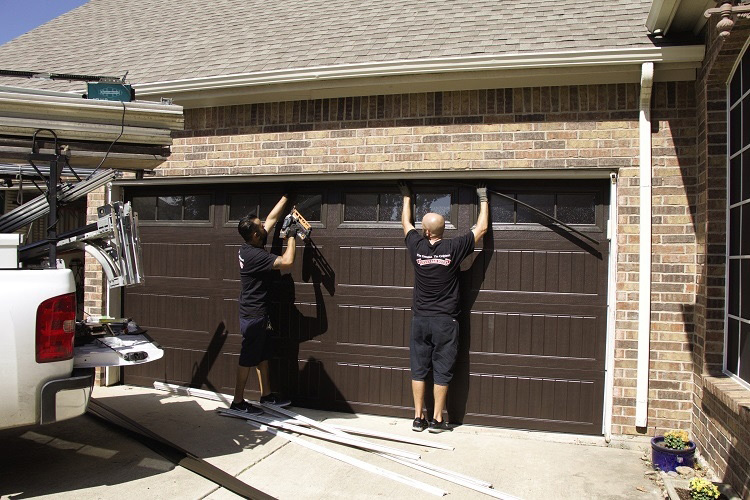
A garage door that won’t open or respond is a clear sign that something in the system has broken down, and the cause is not always obvious from the outside. It could be something as simple as dead remote batteries or something as serious as a broken spring that has made the door too heavy to move. Knowing what is actually going wrong helps you avoid an expensive garage door repair and gets your door back to working order faster. This guide breaks down every major cause, the warning signs that show up before a full failure, and what to check when a garage door won’t open, no matter what you try. Is Your Garage Door Not Opening or Just Not Responding? A garage door that won’t open and a garage door that won’t respond look like the same problem from the outside, but they point to completely different parts of the system that need attention. Symptom Won’t Open Physically Won’t Respond Electrically Primary Cause Broken spring or snapped cable blocking movement Dead remote batteries or a faulty keypad Power Issue Door is too heavy for the opener to lift Tripped circuit breaker, cutting power to the opener Track Problem Damaged rollers are preventing travel along the track Wall panel lockout disables all remote signals Cable Issue Worn or broken cables are causing the door to drop Malfunctioning motor unit not receiving commands Signal Problem Physical obstruction in the path of the door Radio frequency interference is disrupting the signal To understand how sensor-related failures specifically stop a garage door from opening or responding, read our guide on How to Reset the Sensors on a Garage Door That Won’t Open, which covers every step needed to identify and correct the problem. What Contributes to a Garage Door That Won’t Open or Respond Most garage door failures do not happen without warning, and the factors behind them are usually present long before the door stops working entirely. Several factors push a door to the point where it stops opening or responding: Each of these factors connects directly to the specific causes that explain why a garage door won’t open or respond in the first place. Common Causes a Garage Door Won’t Open or Respond Dead or Weak Remote Batteries Dead remote batteries are one of the most overlooked reasons a garage door won’t open, yet they are the easiest to rule out before moving on to anything else. Check for these signs before assuming a bigger problem: Replacing the remote batteries takes less than a minute and eliminates one of the most frequent causes of opener unresponsiveness. Blocked or Misaligned Safety Sensors Safety sensors are required on all modern garage doors, and even a slight shift in their position can stop the door from operating entirely. Watch for these sensor-related patterns: Persistent alignment issues after adjustment are a sign that professional garage door sensor repair is needed. Radio Frequency Interference Radio frequency interference is a less obvious culprit behind opener malfunctions, but it consistently affects older openers that lack modern signal filtering. Look for these patterns when interference may be the issue: Swapping out bulbs near the opener for manufacturer-approved LED alternatives often resolves interference without additional repairs. Track Obstructions or Damage Obstructions and damage inside the track are among the most direct causes of a garage door getting stuck mid-cycle or refusing to move at all. Common track-related problems include: Cleaning the tracks and tightening loose brackets resolves minor cases, but bent or severely damaged sections require professional realignment. Broken Torsion or Extension Springs Garage door spring failure is one of the most sudden causes of a door that won’t open, and it rarely gives much warning before it happens. Signs that a spring has broken include: Torsion and extension springs operate under significant mechanical load, and a broken garage door spring must always be replaced by a licensed technician. Stripped Gears Inside the Opener Stripped plastic gears inside the opener are a common cause of the motor running while the door stays completely still. Look for these indicators of a stripped gear: Gear replacement requires opening the motor unit and replacing the damaged plastic gears, a task best handled by a professional garage door technician. Damaged or Snapped Cables Garage door cables work alongside the springs to keep the door balanced and moving evenly, and a snapped cable creates an immediate and visible failure. Signs of cable damage include: Garage door cable repairs involve components that stay under tension even when the door is closed, making this a job for a professional technician. Warning Signs Your Garage Door Is About to Stop Working Garage door issues rarely appear out of nowhere, and the system almost always sends signals before a full failure happens. Watch for these warning signs before the problem gets worse: Recognizing these signs early gives you the chance to address the problem before a full mechanical failure occurs. Quick Diagnostics to Check Before Assuming the Worst Before calling a technician, these three checks take less than five minutes and can point you directly to the problem. Run through these diagnostics before scheduling a service call: To walk through exactly what to do when the power is the issue, read our guide on Garage Door Won’t Open? How to Manually Open It Safely, which covers every step of operating your door without power. How to Fix a Garage Door That Won’t Open or Respond Knowing which repairs are safe to handle and which require a technician protects both the door and the people around it. Start with these fixes before calling a technician: To find out whether your door needs a repair or something bigger, read our guide on Garage Door Won’t Open? When to Repair or Replace, which walks through every factor that determines the right course of action. How to Prevent Your Garage Door From Getting Stuck Again Regular upkeep is the most effective way to keep a garage door working properly and avoid
How to Fix a Garage Door Off Track
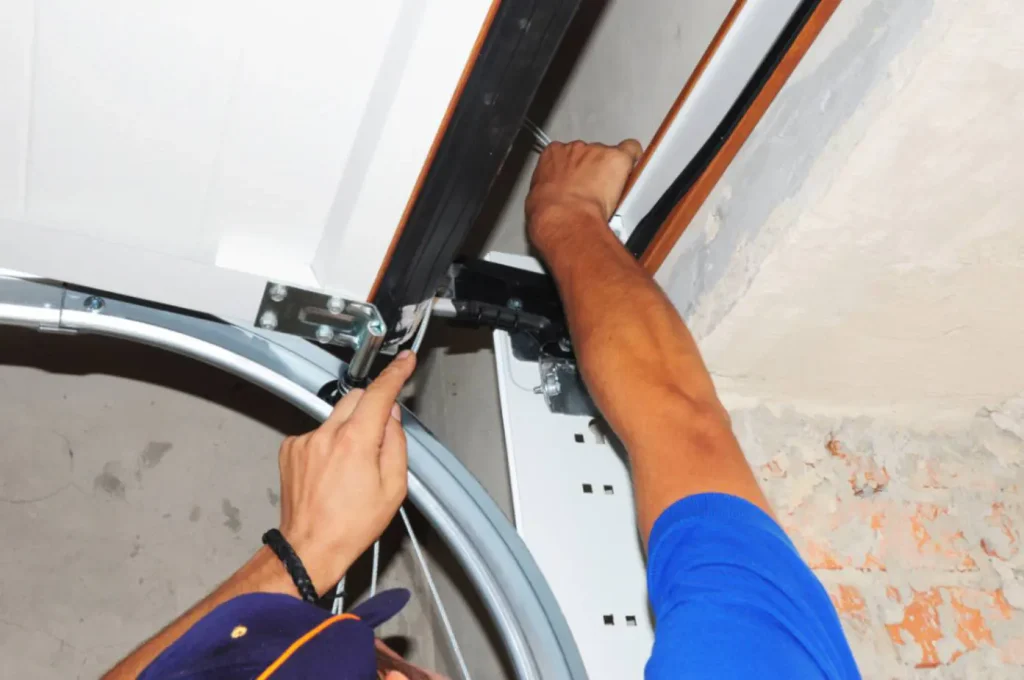
A garage door off track stops everything in its path and turns a normal morning into a stressful situation that demands immediate attention. Understanding how to fix a garage door off track the right way starts with knowing what caused it and what a proper repair actually involves. Getting a garage door off track repair done correctly is not just about pushing the rollers back into place and calling it done. It takes a trained technician, the right tools, and a step-by-step process that addresses the root cause so the problem does not come back. What Causes a Garage Door to Come Off Track? When a garage door comes off track, something in the system has already been building up stress for longer than most people realize, and the visible problem is rarely the whole story. Here are the most common reasons a garage door ends up off track: To understand exactly what conditions push a garage door to this point, read our guide on What Would Cause a Garage Door to Come Off Track?, which breaks down every root cause that leads to a full off-track situation. Warning Signs Your Garage Door Is Off Track Knowing the warning signs of a garage door off track situation early is what separates a minor repair from a full system breakdown. Here are the warning signs your garage door is off track: To catch these warning signs before they escalate into a more costly problem, read our guide on Warning Signs Your Garage Door Is Off Track, which covers every indicator that suggests a professional needs to take a look. Garage Door Off Track: Can You Fix It Yourself or Do You Need a Pro? A garage door off track repair looks straightforward from the outside, but the risks involved make it a job that almost always calls for a trained professional. Situation DIY Professional Minor track misalignment Possible but risky without the right tools Recommended for a precise and lasting fix Bent or damaged tracks Not recommended as improper bending can worsen the damage Required to reshape or replace the track correctly Broken cables or springs Never attempt as both operate under extreme tension Required as this involves specialized tools and training Loose hardware or bolts Manageable if you can identify exactly what needs tightening Recommended to ensure nothing is missed during inspection Full derailment on both sides Never attempt as the door can collapse without proper support Required as this involves realigning the entire system Repairs requiring special tools Not recommended, as using the wrong tool causes further damage Required as professionals carry the exact tools needed Attempting a garage door off track repair without the right training and tools puts both the door and everyone around it at risk. What Can Homeowners Do First Without Worsening the Damage Acting quickly and carefully before a technician arrives can stop a garage door off track situation from turning into a much larger and more expensive problem. Here is what homeowners can do first without worsening the damage: To learn exactly how much risk a compromised garage door carries before a professional arrives, read our guide on Is a Garage Door Off Track Dangerous?, which details every safety concern that comes with a door that has left its track. How Pros Fix a Garage Door Off Track Step 1: Disconnect the Opener and Secure the Door Cutting power and securing the door is the first step every professional takes before touching any part of the system. Here is what happens during this step: Skipping proper preparation is one of the leading reasons agarage door opener repair becomes necessary, alongside the need for an original track fix. Step 2: Inspect the Tracks and Identify the Damage A full inspection tells the technician exactly what caused the garage door off track before any physical repair begins. Watch for what professionals check during this step: Knowing what to look for during an inspection is what separates a repair that holds from one that fails again within weeks. Step 3: Realign the Tracks and Reinsert the Rollers Getting the garage door track back into its correct position is the core of the entire repair process. Here is what realignment and roller reinsertion involve: Restoring the track to its original position allows the door to complete a full open-and-close cycle without resistance. Step 4: Tighten Hardware and Lubricate Moving Parts Every bolt, hinge, and roller gets full attention during this step to restore the door to working condition. Here is what professionals do during this step: Tightening andlubricating every component after a repair keeps the door performing correctly long after the technician leaves. Step 5: Test the Door and Reconnect the Opener Confirming smooth operation before reconnecting the opener is the final checkpoint in every professional garage door off track repair. Here is what professionals check during the final test: Every part of the system gets confirmed to be working correctly before a professional considers thegarage door repair complete. How Much Does Garage Door Off Track Repair Cost? Several factors influence what a homeowner in Los Angeles, CA can expect to pay for a garage door off track repair. Here are the factors that affect the cost of a garage door off track repair: Average costs may depend on the combination of these factors, making a professional inspection the most accurate way to get a reliable estimate. How to Care for Your Newly Repaired Garage Door Track Caring for a newly repaired garage door track keeps the door operating correctly and prevents the problem from recurring. Here is how to care for your newly repaired garage door track: Regulargarage door maintenance after a garage door track repair is the most effective way to extend the life of the entire system and avoid repeat repairs. Professional Repair Is Always the Best Fix for a Garage Door Off Track A garage door off track problem never resolves on its own, and every hour it goes unaddressed adds more
Warning Signs Your Garage Door Is Off Track
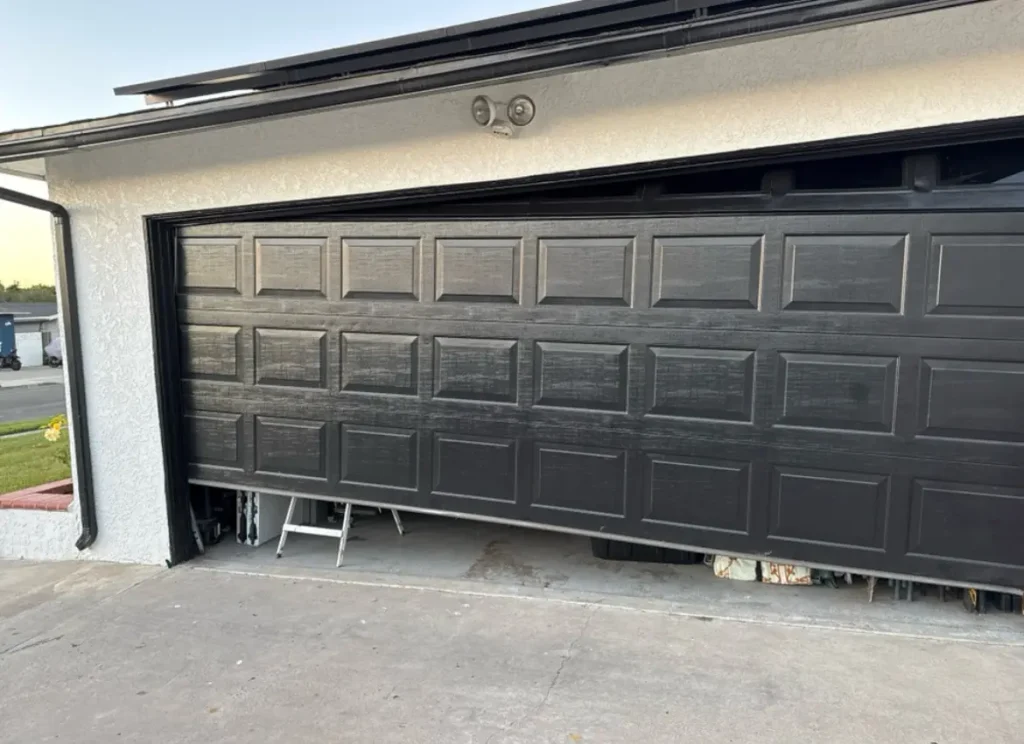
A garage door off track can happen to any home, and the warning signs are often visible long before the door completely fails. Ignoring these signs often leads to costly garage door off track repair, damaged hardware, and a door that becomes unsafe to operate. Understanding each warning sign gives you the knowledge to act quickly and protect your home from further damage. This article covers the most important warning signs that your garage door is off track, so you know exactly what to look for before the problem gets worse. Why Knowing the Warning Signs of a Garage Door Off Track Matters When a garage door off track problem goes unnoticed, the damage spreads quickly through the entire system and affects every moving part connected to the door before you even realize something is wrong. Here is why knowing the warning signs of a garage door off track matters: To understand what specifically puts your door at risk when these signs are ignored, read our guide on What Would Cause a Garage Door to Come Off Track?, which breaks down the exact conditions that lead to a full off-track situation. Common Warning Signs Your Garage Door Is Off Track Visible Gaps Between the Rollers and the Track Visible gaps between the rollers and the metal tracks are one of the earliest physical indicators that a garage door off track situation is already developing. Watch for these warning signs: Visible gaps never resolve on their own, and each time the door completes a cycle withoutgarage door repair, it adds more stress to the entire system. The Door Appears Uneven or Lopsided An uneven or lopsided garage door is a strong visual indicator that the rollers on one side have lost their grip on the track. Look for these signs of unevenness: An uneven door places unbalanced stress on the cables, springs, and mounting brackets with every single cycle. Jerking or Shaking Movement While Opening or Closing Any jerking or shaking during movement is a direct signal that something is wrong with the track or rollers of a garage door. Watch for these movement problems: Jerking and shaking confirm that the rollers are no longer traveling smoothly, and delayingemergency garage door repair will only worsen the door’s operation. Excessive Grinding, Scraping, or Popping Noises Unusual sounds coming from a garage door are among the most reliable early indicators that the rollers or tracks need immediate attention. Listen for these specific noises: Sounds likegrinding and scraping confirm that garage door rollers are either worn down or forcing their way through a damaged section of the track. The Door Gets Stuck or Refuses to Close Completely A garage door that stops mid-cycle or refuses to close all the way has lost the ability to travel freely along its track, which points directly to a mechanical problem that requires professional attention. Watch for these signs of a stuck or incomplete cycle: Every failed closing cycle indicates that the track or rollers are preventing smooth operation, and continued use will only make the underlying problem harder to resolve. Bent or Damaged Tracks Bent tracks are a direct cause of a garage door off track situation, and even minor bending along any section of the track is enough to disrupt the entire door’s movement. Check for these signs of track damage: Bent tracks cannot be ignored, and severe damage may go beyond repair and require a fullgarage door installation to restore the system. What Causes a Garage Door to Go Off Track Several specific conditions push a garage door off track, and knowing each one helps you identify what went wrong before the damage spreads further. Here are the most common causes of a garage door off track: To learn how each of these causes puts your home and family at risk, read our guide on Is a Garage Door Off Track Dangerous?, which breaks down the real dangers behind every condition listed above. What to Do After Spotting These Warning Signs Acting quickly after noticing a garage door off track warning sign can prevent the situation from affecting more parts of the system. Here is what to do after spotting these warning signs: Taking these steps quickly gives a professional the best chance of resolving the problem before further damage sets in. How a Professional Can Help With Garage Door Off Track Repair A trained garage door technician follows a structured process to make sure the door is fully restored after a garage door off track situation. Here is how a professional can help with garage door off track repair: To learn exactly what goes into fixing a garage door off track from start to finish, read our guide on How to Fix a Garage Door Off Track, which walks through the full repair process professionals follow on every job. How to Prevent Your Garage Door From Going Off Track Keeping a garage door off track situation from happening starts with a few consistent habits that protect the track, rollers, and hardware over time. Here is how to prevent your garage door from going off track: Regular garage door service is the most effective way to protect the entire system and extend the life of every moving part. Warning Signs Your Garage Door Is Off Track Should Never Be Ignored Each warning sign covered in this guide is a clear signal that your garage door off track problem needs professional attention before more parts of the system are affected. Recognizing these signs early gives you the best chance of resolving the problem before it disrupts your daily routine. First Class Garage Doors has been serving homeowners across Los Angeles, CA with thorough and professional garage door off track repair that gets the job done correctly the first time. Contact us or give us a call today, and let our licensed technicians identify every warning sign and restore your garage door to full working condition. Frequently Asked Questions
Is a Garage Door Off Track Dangerous?
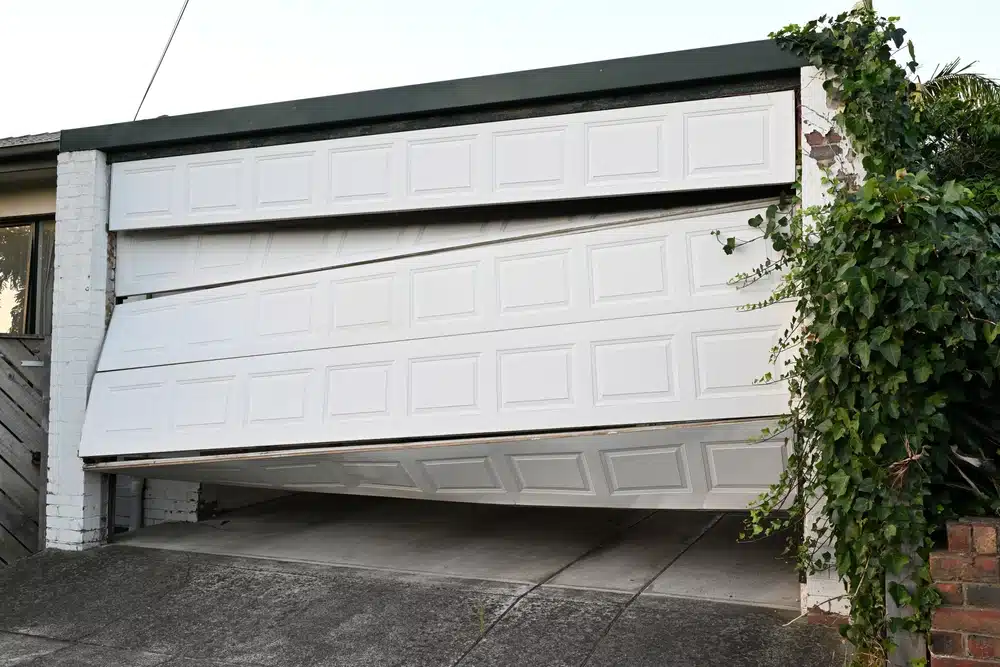
A garage door off track does not just affect how the door moves or how it looks from the outside. It turns one of the heaviest mechanical parts of your home into an unpredictable hazard that can fall, shift, or collapse without any warning at the worst possible moment. Leaving the problem unaddressed puts your family, your vehicle, and your entire property at real risk of serious harm. A misaligned door that keeps getting used will continue to deteriorate until the damage reaches a point where garage door off track repair becomes unavoidable. What Happens When a Garage Door Goes Off Track? When a garage door goes off track, the rollers lose their grip on the metal tracks that guide the door through its full range of motion, leaving the entire system unbalanced and unable to operate safely. Here is what happens when a garage door goes off track: To understand what specifically triggers these problems from the start, read our guide on What Would Cause a Garage Door to Come Off Track?, which breaks down the most common causes homeowners deal with before the situation gets out of hand. Warning Signs Your Garage Door May Be Off Track A garage door off track almost always shows warning signs before the situation becomes unmanageable. Here are the most common warning signs to watch out for: To spot these problems before they worsen, read our guide on Warning Signs Your Garage Door Is Off Track, which walks through each indicator homeowners should never ignore. What Causes a Garage Door to Go Off Track A garage door off track is almost always the result of one or more underlying mechanical or physical problems that have been building up over time. Here are the most common causes of a garage door going off track: These causes rarely resolve on their own and will continue to worsen without promptgarage door repair from a trained professional. So, Is a Garage Door Off Track Really Dangerous? Here Is Why A garage door off track is a genuine safety hazard that puts every person and everything near it at serious risk. Here is why an off track garage door is considered a real danger: The Door Can Fall Without Warning A dislodged garage door loses the support it needs to stay in place, making a sudden, unexpected collapse a very real risk. Watch for these signs that a fall may be imminent: Every pound of an entire garage door becomes a direct threat to anyone beneath it, makingemergency garage door repair the only appropriate response. Cables and Springs Can Snap Under Pressure An off-track door pushes the already extreme tension in garage door cables and springs beyond what the system was built to handle. Here is what happens to the tension system when the door goes off track: Snapped cables andbroken springs release stored energy instantly, and anyone inside the garage at that moment is directly in the path of that force. Physical Impact Can Knock the Door Off Track Impact damage from a vehicle or any heavy object can instantly shift the door out of alignment and compromise the entire track system. Common ways physical impact throws a garage door off track: Severe impact damage sometimes goes beyond track repair and requires a comprehensivegarage door installation to properly restore the system. Worn or Broken Components Make the Door Unstable Worn-out garage door rollers, broken lift cables, and bent tracks work together to pull the door out of balance and into a dangerous, lopsided state. Key components that contribute to instability when worn or broken: Instability in one component puts direct pressure on every other part of the system, and the door becomes harder to control with each cycle. Obstructions in the Track Create Immediate Danger Anything lodged in the garage door track forces the rollers off their path and puts the entire system under sudden, uneven stress. Common obstructions that cause a garage door to go off track: Obstructions that seem minor at first glance can bring the entire garage door to a sudden stop and force the rollers out of position in an instant. What to Do Immediately When Your Garage Door Goes Off Track A garage door off track requires immediate action to prevent the situation from putting anyone in the household at risk. Here is what to do the moment you notice your garage door is off track: Taking the right steps immediately after noticing a garage door off track helps keep a manageable situation from turning dangerous. Why You Should Leave Garage Door Off Track Repair to the Professionals Garage door off track repair involves high-tension components and precise adjustments that go well beyond what a standard DIY fix can safely address. Here is why professional help is the only option for this type of repair: Leaving garage door off track repair to aqualified technician ensures the job is done correctly and the entire system is restored to proper working condition. How a Professional Handles Garage Door Track Repair A garage door technician follows a structured process to make sure every part of the system is properly assessed, adjusted, and restored. Here is what to expect when a professional handles garage door track repair: To walk through the complete repair process step by step, read our guide on How to Fix a Garage Door Off Track, which covers what homeowners can expect from the moment a technician arrives. A Garage Door Off Track Is Dangerous and Needs Immediate Professional Attention A garage door off track is a real safety hazard that puts your family, your vehicle, and your home at immediate risk with every passing moment. From sudden collapses to snapped cables, the dangers covered in this guide all point to one clear answer: stop using the door and call a professional right away. First Class Garage Doors has a team of experienced technicians ready to inspect, diagnose, and restore your garage door to proper working condition. Contact us or give
What Would Cause a Garage Door to Come Off Track?
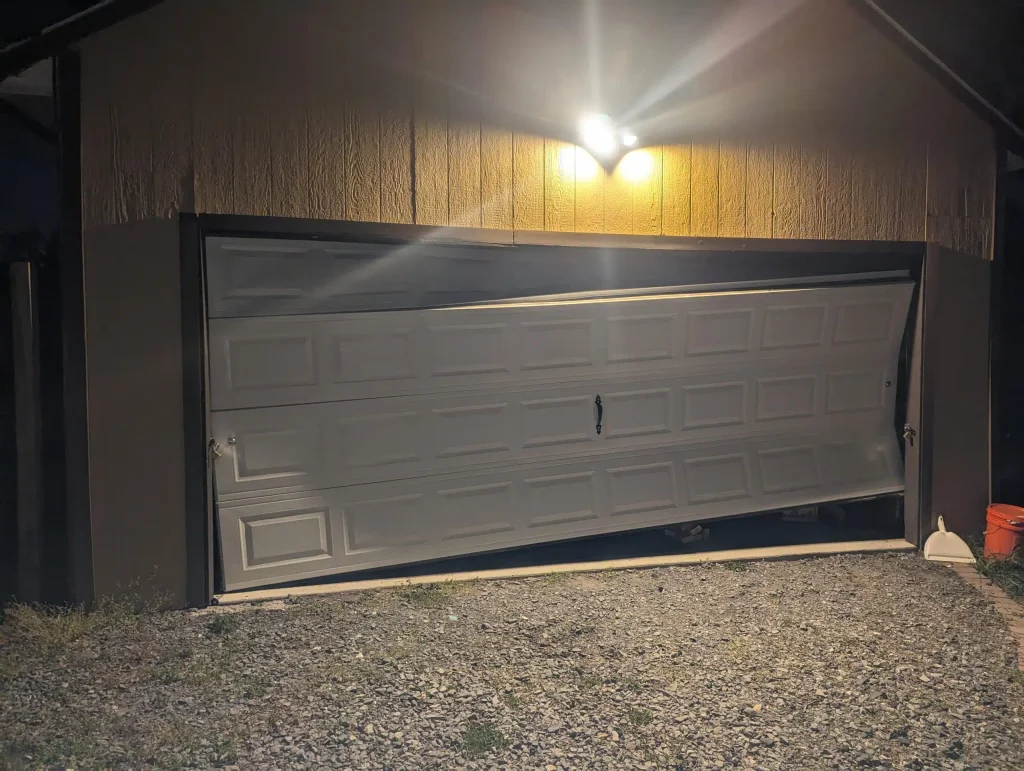
A garage door leaves its track when the components that hold it in place can no longer do their job, and that breakdown can come from a single failed part or a combination of issues that built up over time. What looks like a sudden problem on the surface is usually the result of something that has been developing for much longer. Identifying the exact cause is what makes the difference between a proper garage door off track repair and a temporary fix that fails again weeks later. Knowing what to look for and why it happens gives homeowners the clarity they need to make informed decisions about how to move forward with the right repair. Is It Dangerous to Have a Garage Door Off Track? Yes, it is, and a garage door off track is a serious safety hazard that can cause the door to collapse without warning, damage surrounding components, and put everyone near it at risk of injury. Here is why an off track garage door is considered a real safety hazard: To understand the full extent of what an off track door can do to your home and the people in it, read our guide on Is a Garage Door Off Track Dangerous?, which covers the specific risks homeowners need to know before they attempt anything on their own. Warning Signs Your Garage Door Has Come Off Track Knowing the warning signs of a garage door off track problem early gives you the chance to act before the damage spreads to other parts of the system. Here are the most common warning signs to watch for: To catch these warning signs before they turn into a full derailment, read our guide on Warning Signs Your Garage Door Is Off Track, which walks through each indicator in detail so you know exactly what to look for and when to call for help. Common Reasons a Garage Door Goes Off Track Broken or Frayed Cables Lift cables carry equal tension on both sides of the door, and when one snaps or frays, that balance is lost immediately. Watch for these signs of a broken cable: Promptgarage door cable repair is the only way to restore that balance before the rollers are pulled completely out of the track. Bent Tracks Metal tracks guide the rollers from the floor to the ceiling, and even a small bend disrupts that path entirely. Here is what bent tracks typically look like: Bent tracks redirect the rollers away from their intended path, and the garage door off track result is almost always unavoidable once that misalignment takes hold. Obstructions in the Track Debris inside the track blocks the smooth path the rollers need to complete each full cycle. Common obstructions found inside garage door tracks include: Keeping the track clean and free of debris is one of the most practical ways to maintain smooth operation and prevent an unexpected derailment. Worn-Out Rollers Garage door rollers stay in constant contact with the metal tracks, and that friction adds up over years of daily use. Look for these signs of wear on your rollers: Once that contact breaks down,garage door roller repair becomes necessary to restore proper alignment and keep the door from slipping off track during normal operation. Impact Damage Accidental impact transfers force directly into the tracks, panels, and rollers in ways that are not always visible right away. Signs that impact damage has affected the track system include: Even a minor accidental impact from a vehicle or heavy object can misalign the tracks enough to cause a full derailment. Broken Springs Garage door springs carry the full counterbalance load of the door, and when one breaks, that load shifts in ways the rest of the system cannot handle. Broken spring indicators that often lead to a garage door off track situation include: Broken springs place the entire system under extreme tension, and the door will act erratically until the problem is properly addressed by a professional. Factors That Contribute to a Garage Door Going Off Track Several underlying conditions make a garage door more vulnerable to coming off track, and most of them develop gradually before any visible problem appears. Here are the key factors that contribute to a garage door going off track: These factors rarely cause a derailment on their own, but when two or more are present at the same time, the need forgarage door repair becomes unavoidable. What Happens If You Ignore a Garage Door Off Track Problem? Leaving a garage door off track unaddressed puts every connected component under increasing stress with each passing day. Here is what happens when the problem is ignored: Ignoring a garage door off track problem never makes it smaller, and every day without a repair adds more components to the list that need professional attention. What to Do When Your Garage Door Goes Off Track Knowing the right steps to take immediately after a garage door goes off track can prevent additional damage to the system and reduce the risk of injury. Here is what to do when your garage door goes off track: Taking these steps right away protects both the people in your home and the components that are still in good condition. Should You Call a Professional for Garage Door Off Track Repair? Most garage door off track situations involve components under extreme tension that require proper tools and training to handle correctly. Here are the signs that it is time to call a professional: To get a full walkthrough of the repair process, read our guide on How to Fix a Garage Door Off Track, which details every step a trained technician takes to restore the door to proper working condition. How to Prevent Your Garage Door From Going Off Track Preventing a garage door from going off track comes down to consistent maintenance that keeps every component in proper working condition. Here are the most effective ways to prevent your garage door from going off