



A garage door that won’t open or respond is a clear sign that something in the system has broken down, and the cause is not always obvious from the outside. It could be something as simple as dead remote batteries or something as serious as a broken spring that has made the door too heavy to move.
Knowing what is actually going wrong helps you avoid an expensive garage door repair and gets your door back to working order faster. This guide breaks down every major cause, the warning signs that show up before a full failure, and what to check when a garage door won’t open, no matter what you try.
Is Your Garage Door Not Opening or Just Not Responding?
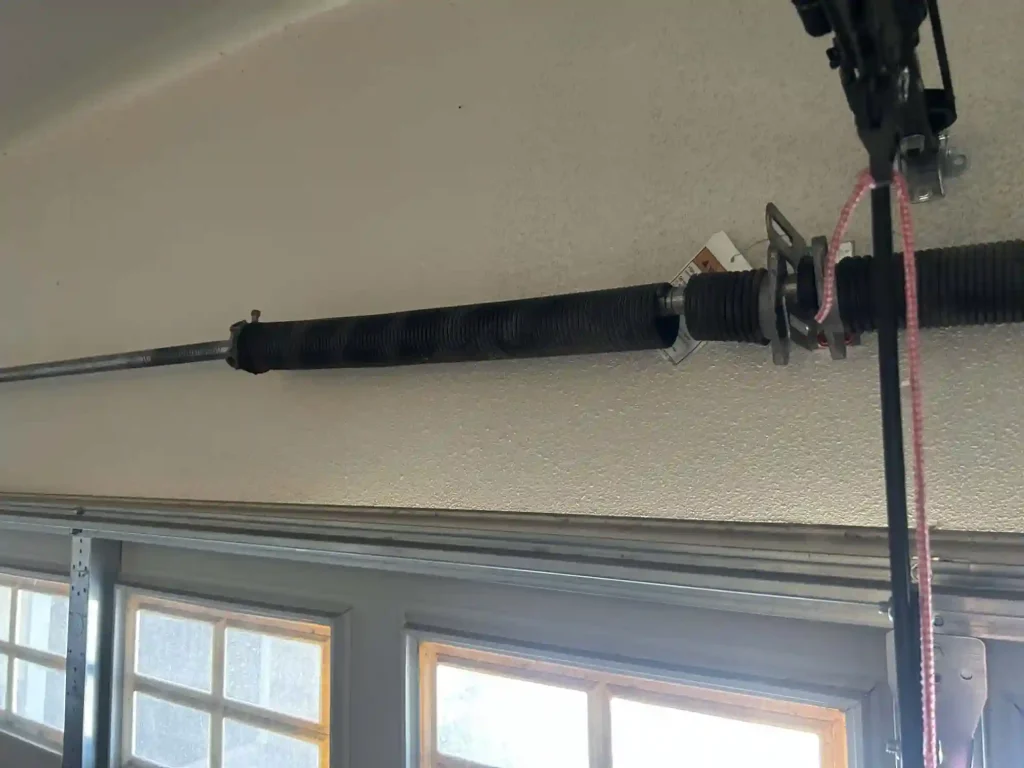
A garage door that won’t open and a garage door that won’t respond look like the same problem from the outside, but they point to completely different parts of the system that need attention.
| Symptom | Won’t Open Physically | Won’t Respond Electrically |
| Primary Cause | Broken spring or snapped cable blocking movement | Dead remote batteries or a faulty keypad |
| Power Issue | Door is too heavy for the opener to lift | Tripped circuit breaker, cutting power to the opener |
| Track Problem | Damaged rollers are preventing travel along the track | Wall panel lockout disables all remote signals |
| Cable Issue | Worn or broken cables are causing the door to drop | Malfunctioning motor unit not receiving commands |
| Signal Problem | Physical obstruction in the path of the door | Radio frequency interference is disrupting the signal |
To understand how sensor-related failures specifically stop a garage door from opening or responding, read our guide on How to Reset the Sensors on a Garage Door That Won’t Open, which covers every step needed to identify and correct the problem.
What Contributes to a Garage Door That Won’t Open or Respond
Most garage door failures do not happen without warning, and the factors behind them are usually present long before the door stops working entirely.
Several factors push a door to the point where it stops opening or responding:
- Older doors are more prone to sudden failure when rollers, cables, and springs wear out
- Skipping regular cleaning and lubrication turns small issues into bigger problems
- Los Angeles weather accelerates rust and wear on springs, cables, and metal tracks
- A tripped circuit breaker or loose plug can shut down the opener unit entirely
- Dents in the tracks and bent hardware from accidental impacts can stop the door mid-cycle
Each of these factors connects directly to the specific causes that explain why a garage door won’t open or respond in the first place.
Common Causes a Garage Door Won’t Open or Respond
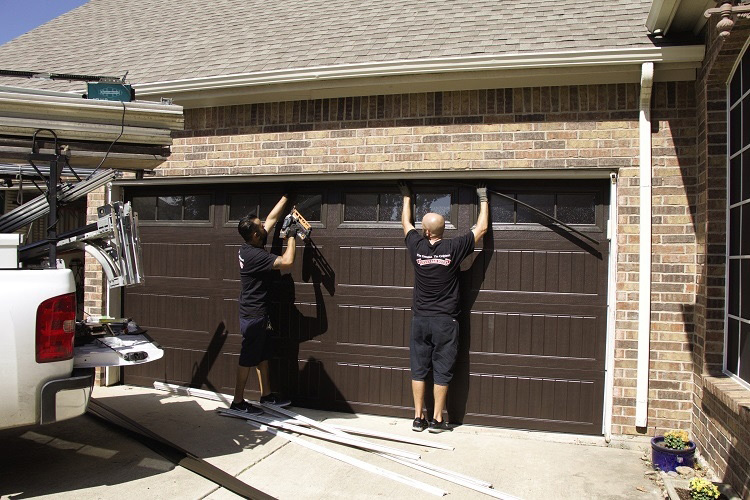
Dead or Weak Remote Batteries
Dead remote batteries are one of the most overlooked reasons a garage door won’t open, yet they are the easiest to rule out before moving on to anything else.
Check for these signs before assuming a bigger problem:
- Multiple presses are needed before the opener reacts
- Keypad response is delayed or completely absent
- The door responds inconsistently depending on the distance from the opener
- The wall switch still works, but the remote does not
- Battery contacts show visible corrosion or buildup
Replacing the remote batteries takes less than a minute and eliminates one of the most frequent causes of opener unresponsiveness.
Blocked or Misaligned Safety Sensors
Safety sensors are required on all modern garage doors, and even a slight shift in their position can stop the door from operating entirely.
Watch for these sensor-related patterns:
- The indicator light on one or both sensors blinks instead of staying steady
- The door starts closing, then immediately reverses without any obstruction
- The opener light flashes multiple times when a closing command is sent
- Sensor lenses on the sides of the door have visible dirt or moisture
- The bracket holding one sensor appears bent or shifted out of position
Persistent alignment issues after adjustment are a sign that professional garage door sensor repair is needed.
Radio Frequency Interference
Radio frequency interference is a less obvious culprit behind opener malfunctions, but it consistently affects older openers that lack modern signal filtering.
Look for these patterns when interference may be the issue:
- Remote only works when standing directly under the opener
- The door operates inconsistently without any physical changes to the system
- The problem started after a new device was installed nearby
- LED bulbs inside the opener housing cause signal dropout
- Nearby wireless devices like routers coincide with the malfunction
Swapping out bulbs near the opener for manufacturer-approved LED alternatives often resolves interference without additional repairs.
Track Obstructions or Damage
Obstructions and damage inside the track are among the most direct causes of a garage door getting stuck mid-cycle or refusing to move at all.
Common track-related problems include:
- Visible dents or bends along the vertical or horizontal track sections
- Small items or hardened debris lodged inside the track channel
- Rollers jumping out of the track during operation
- Mounting brackets have loosened and created gaps between the track and the wall
- Grinding or scraping sounds point to metal-on-metal contact during movement
Cleaning the tracks and tightening loose brackets resolves minor cases, but bent or severely damaged sections require professional realignment.
Broken Torsion or Extension Springs
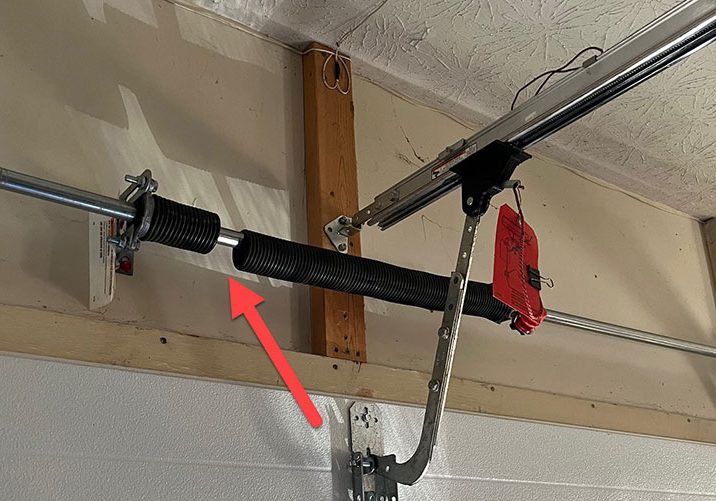
Garage door spring failure is one of the most sudden causes of a door that won’t open, and it rarely gives much warning before it happens.
Signs that a spring has broken include:
- A loud bang or snap sound is coming from the garage
- Visible gap in the torsion spring coil mounted above the door
- The door feels extremely heavy during manual operation
- Opener runs its full cycle, but the door does not move
- Extension springs along the sides of the door appear loose or detached
Torsion and extension springs operate under significant mechanical load, and a broken garage door spring must always be replaced by a licensed technician.
Stripped Gears Inside the Opener
Stripped plastic gears inside the opener are a common cause of the motor running while the door stays completely still.
Look for these indicators of a stripped gear:
- Motor runs its full cycle, but the trolley does not move
- Plastic shavings or white dust are visible on the floor beneath the opener
- A grinding or clicking sound is coming from inside the motor housing
- Opener engages but produces no tension on the drive belt or chain
- Plastic gears visible through the housing show chipped or missing teeth
Gear replacement requires opening the motor unit and replacing the damaged plastic gears, a task best handled by a professional garage door technician.
Damaged or Snapped Cables
Garage door cables work alongside the springs to keep the door balanced and moving evenly, and a snapped cable creates an immediate and visible failure.
Signs of cable damage include:
- The door drops sharply on one side during operation
- A frayed or kinked cable is visible along the sides of the door
- Loose cable coiled at the bottom bracket or lying on the floor
- The door sits unevenly in the frame when fully closed
- Opener strains audibly but fails to complete the opening cycle
Garage door cable repairs involve components that stay under tension even when the door is closed, making this a job for a professional technician.
Warning Signs Your Garage Door Is About to Stop Working
Garage door issues rarely appear out of nowhere, and the system almost always sends signals before a full failure happens.
Watch for these warning signs before the problem gets worse:
- Grinding or scraping noises from the rollers, hinges, or tracks
- Slower operation than usual, pointing to spring tension loss or a struggling motor
- The door reversing before fully opening due to sensor or limit setting issues
- The door stops partway through the cycle due to a broken spring or obstruction
- Unresponsive remote or wall switch indicating a power or opener malfunction
Recognizing these signs early gives you the chance to address the problem before a full mechanical failure occurs.
Quick Diagnostics to Check Before Assuming the Worst
Before calling a technician, these three checks take less than five minutes and can point you directly to the problem.
Run through these diagnostics before scheduling a service call:
- Pull the emergency release cord to disconnect the door from the opener and test whether the door moves freely by hand
- Check the power supply and circuit breaker to confirm the opener unit is receiving power before assuming a mechanical failure
- Look for the wall panel lockout button to rule out an accidentally engaged manual lock that disables all remote signals
To walk through exactly what to do when the power is the issue, read our guide on Garage Door Won’t Open? How to Manually Open It Safely, which covers every step of operating your door without power.
How to Fix a Garage Door That Won’t Open or Respond
Knowing which repairs are safe to handle and which require a technician protects both the door and the people around it.
Start with these fixes before calling a technician:
- Replace the remote batteries and test the keypad first
- Clean and realign the safety sensors until both indicator lights are steady
- Clear debris from the tracks and check for visible dents or bends
- Reset the opener by pressing and holding the learn button until it blinks
- Stop using the door if a broken spring, snapped cable, or plastic shavings are present
To find out whether your door needs a repair or something bigger, read our guide on Garage Door Won’t Open? When to Repair or Replace, which walks through every factor that determines the right course of action.
How to Prevent Your Garage Door From Getting Stuck Again
Regular upkeep is the most effective way to keep a garage door working properly and avoid the kind of failures that leave it stuck or unresponsive.
Keep your door in working order with these garage door maintenance habits:
- Schedule a professional inspection twice a year to catch worn springs, cables, and rollers early
- Wipe down the tracks regularly and lubricate the rollers, hinges, and springs
- Test the safety sensors monthly by waving an object in front of them during closing
- Check the remote batteries and keypad periodically to rule out signal issues
- Act on unusual noises or slow operation before a mechanical failure occurs
Building these habits into your routine keeps every component working longer and reduces the likelihood of a garage door that won’t open without warning.
Fixing a Garage Door That Won’t Open Starts With the Right Diagnosis
Every cause covered in this guide points to one truth: a garage door that won’t open or respond is telling you that something in the system needs immediate attention. Accurately identifying the problem and acting on it is what keeps a minor issue from escalating into a full system failure.
First Class Garage Doors specializes in diagnosing and repairing all types of garage door issues for homeowners across Los Angeles, CA. Contact us or give us a call today, and let our team assess exactly what is going wrong with your door and get it back to working order.
Frequently Asked Questions
What are the most common reasons a garage door won't open?
Understanding why my garage door won’t open starts with ruling out the basics like dead remote batteries, tripped circuit breakers, and misaligned safety sensors. If those check out, the issue usually points to a broken spring, damaged cable, or track obstruction.
How can I troubleshoot a garage door that gets stuck halfway when opening?
A door that stops halfway usually has a track obstruction, uneven spring tension, or miscalibrated limit settings on the opener. Check the tracks for debris first, and if the path is clear, the limit settings likely need adjustment.
What should I check first if my garage door opener fails to fully open the door?
Start with the basics: confirm the opener is plugged in, the breaker has not tripped, and the wall panel lockout is not engaged. Checking the sensors and remote batteries after that resolves the problem in many cases.
Could broken springs be the reason my garage door won't open?
Yes. A broken spring is one of the most common reasons a door suddenly stops opening, and when it happens, the door becomes too heavy for the opener to lift on its own. A loud snap sound and a visible gap in the spring coil are the clearest signs of a broken spring.
How do I know if the issue is with my manual garage door or the electric opener?
Pull the emergency release cord to disconnect the door from the opener and try lifting it by hand. If it moves smoothly, the problem is with the opener. If it feels too heavy or uneven, the issue is mechanical.
What are some quick fixes for a garage door that isn't opening properly?
When my garage door won't open properly, the first things to check are the remote batteries, sensor alignment, and circuit breaker. Clearing any debris from the tracks and resetting the opener unit often resolves the issue without a service call.
Are there safety concerns if my garage door won't open or close?
Yes. A malfunctioning garage door poses real risks, particularly when broken springs or snapped cables are involved, as both components store significant mechanical tension. A door that does not close properly also creates a security vulnerability that should be addressed immediately.
When should I call a professional for a garage door that won't open?
Call a professional if the door has a broken spring, snapped cable, or if the motor runs without moving the door. Attempting repairs on high-tension components without proper tools and training creates serious safety risks.
What components should I inspect if my garage door is stuck shut?
When troubleshooting why my garage door won't open all the way, start by checking the sensors, remote batteries, and power supply. Then inspect the tracks for obstructions, the springs for visible damage, and the cables on both sides of the door for fraying or slack.


