



Regular lubrication, clean metal tracks, and periodic testing all help new garage door roller replacement work last as long as possible under normal, everyday residential use. A few consistent habits protect the investment and delay the need for another replacement for years.
New rollers perform noticeably better than worn ones immediately after installation, though that performance fades without ongoing attention. This guide walks through the specific care habits worth building into a regular routine, along with signals that point toward a follow-up visit.
Key Takeaways
- Applying lubricant on a consistent schedule reduces friction and extends lifespan.
- Clean metal tracks prevent debris from accelerating wear on new rollers.
- Periodic testing catches small issues before they affect the opener system.
- Watching for renewed signs of wear helps address problems early.
- Avoiding excess added weight protects rollers from unnecessary strain.
Care Habits That Extend Roller Lifespan
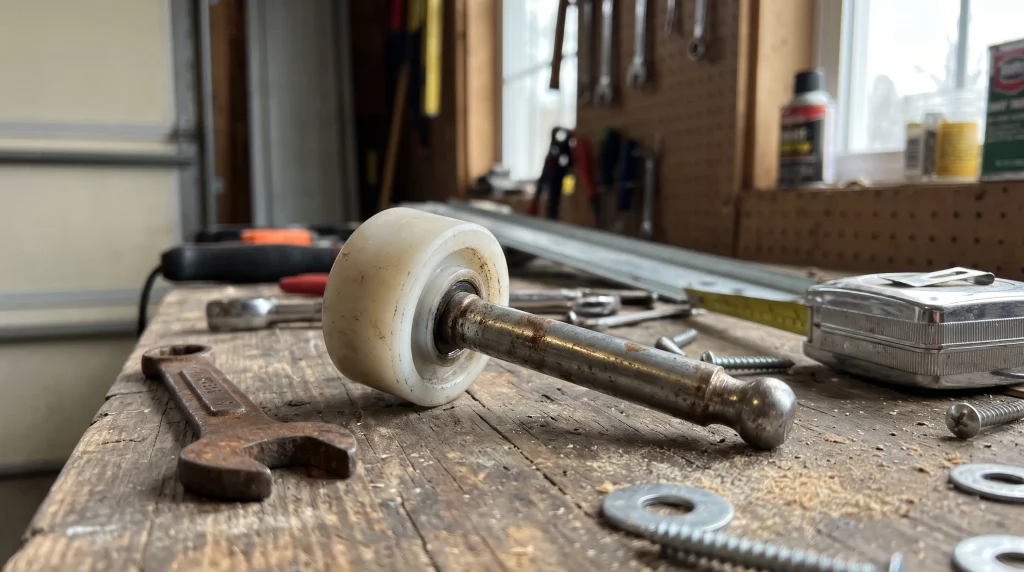
New rollers respond well to a short list of consistent habits, each taking only a few minutes to complete on a regular basis.
| Habit | How Often | Why It Matters |
| Lubrication | Every 3 to 6 months | Reduces friction and slows surface wear |
| Track Cleaning | Every few months | Prevents debris from grinding against rollers |
| Manual Testing | Monthly | Confirms smooth movement without the opener |
| Wear Inspection | Every few months | Catches early signs before a full failure |
| Weight Awareness | Ongoing | Prevents unnecessary strain on new rollers |
Building these habits into an existing routine takes little effort and pays off over the rollers’ full expected lifespan.
Apply Lubricant on a Consistent Schedule
Fresh rollers still benefit from regular lubrication, even though they start out performing far better than the worn parts they replaced.
Follow these specific lubrication habits after installation:
- Apply a proper garage door lubricant every three to six months.
- Focus lubricant directly on the roller stems, not the wheels themselves.
- Avoid petroleum-based products that attract dust and additional grime.
- Wipe away excess lubricant to prevent buildup along the metal tracks.
- Adjust frequency upward in especially dry or dusty climates.
A consistent garage door maintenance habit built around lubrication remains one of the simplest ways to protect the new investment.
Keep the Metal Tracks Clean
Debris inside the metal tracks accelerates wear on new rollers just as quickly as it did on the old ones, regardless of the roller material installed.
These cleaning habits protect the tracks and rollers together:
- Wipe down the tracks every few months to remove dust and grime.
- Check corners and edges where debris tends to collect unnoticed.
- Remove any small objects that may have fallen into the track path.
- Inspect for rust or corrosion, particularly in humid climates.
- Clear cobwebs or insect debris that build up in less-used garages.
Neglected tracks eventually lead to a garage door off track repair need that consistent cleaning could have prevented entirely.
Test the Door Periodically for Smooth Operation
Testing the door manually every so often confirms the new rollers continue moving smoothly along the tracks without added resistance.
Perform these specific checks during a routine test:
- Open and close the door manually to feel for unexpected resistance.
- Listen closely for any new grinding, squeaking, or rattling sounds.
- Watch the door’s path for any subtle drift toward one side.
- Confirm the door reaches its fully open and closed positions consistently.
- Note the exact date of each test for future reference.
To understand exactly what drives roller wear between these routine checks and why it matters, read our guide on What Causes Garage Door Rollers to Need Replacement?, which explains the specific factors to watch for over time.
Watch for Early Signs of Renewed Wear
New rollers eventually reach the end of their lifespan, and watching for early signs can prevent a repeat of the original problem.
Stay alert for these specific warning signs over time:
- Grinding or squeaking noise returns after previously quiet operation.
- The door starts moving more slowly or hesitates along its usual path.
- Visible cracks or flat spots reappear on the roller surface.
- Excessive vibration develops during normal opening and closing cycles.
- The door starts to appear slightly off track or misaligned.
To identify each of these warning signs in greater depth and respond before they worsen, read our guide on Signs Garage Door Rollers Need Replacement, which walks through every symptom worth monitoring closely over time.
Avoid Overloading the Door With Added Weight
Adding weight to a garage door, whether through upgraded panels or extra hardware, places new strain on rollers rated for a specific load.
Keep these weight-related factors in mind after replacement:
- Confirm new rollers are rated for the door’s actual current weight.
- Avoid attaching heavy storage racks or shelving directly to the door.
- Consult a professional before upgrading to thicker or insulated panels.
- Recheck roller ratings if planning any future door modifications.
- Balance spring tension appropriately whenever added weight changes.
Confirming proper garage door spring installation alongside any weight changes keeps both the springs and rollers working within their intended limits.
When to Schedule Follow-Up Maintenance
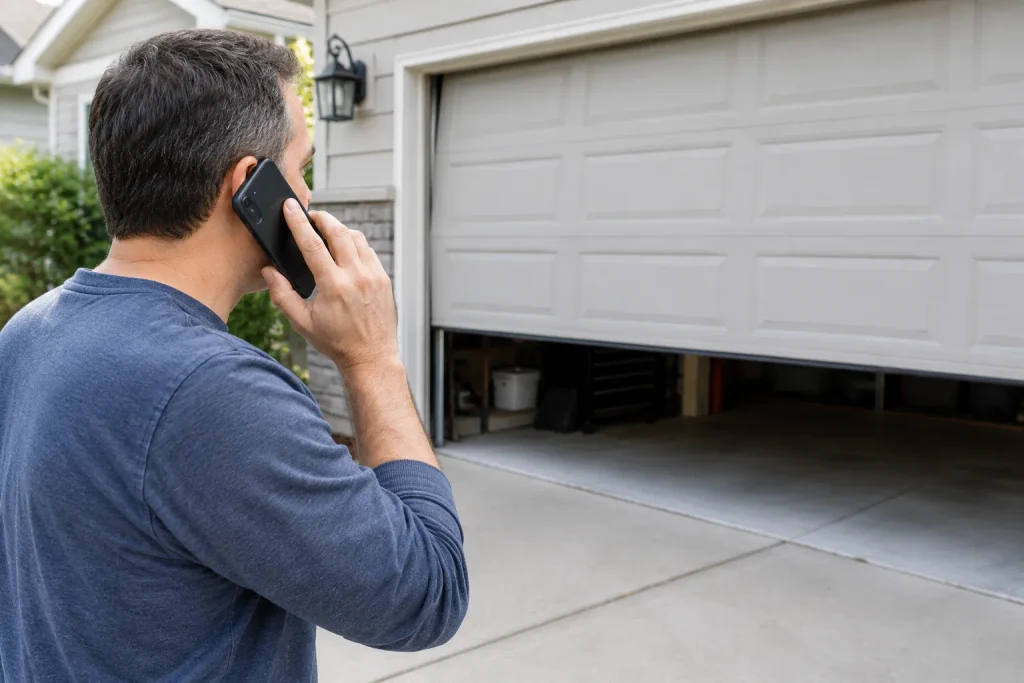
A follow-up visit becomes worthwhile once the initial care routine reveals a pattern worth addressing professionally, not something likely to resolve on its own.
Consider scheduling a follow-up under these specific circumstances:
- Noise or vibration returns despite consistent lubrication and cleaning.
- Visual inspection reveals cracks, flat spots, or uneven wear patterns.
- The door’s movement changes noticeably compared to recent tests.
- A significant weight change occurs to the door or its hardware.
- Several years have passed since the original roller replacement.
To gauge how these specific signals connect to the overall replacement timeline going forward, read our guide on How Often to Replace Garage Door Rollers, which breaks down expected lifespan by roller type, material, and usage pattern.
Simple Habits Protect a Recent Roller Investment
Consistent lubrication, clean tracks, and periodic testing all keep new rollers performing well long after the original installation is fully complete and settled in. Homeowners who build these habits into a regular routine typically get the full expected lifespan out of the investment, often exceeding initial expectations.
First Class Garage Doors supports homeowners throughout Los Angeles, CA, with follow-up inspections and maintenance long after the original roller replacement is finished. Contact us or give us a call today, and let our team help these new rollers perform well and reliably for years to come.
Frequently Asked Questions
What type of lubricant works best for new garage door rollers?
Silicone-based garage door lubricant works well on most roller types, including nylon, steel, and sealed ball bearing designs. Generally avoid petroleum-based products, since they attract dust and additional grime over time.
Can too much lubricant damage new rollers?
Excess lubricant attracts dust and debris, which can actually accelerate visible damage instead of preventing it over time. Wiping away any excess after application keeps the rollers clean and functioning properly.
Does the type of roller affect how often maintenance is needed?
Nylon garage door rollers with sealed ball bearings generally require less maintenance than steel or unsealed alternatives. Regardless of roller type, however, periodic testing and track cleaning remain worthwhile habits for the life of your rollers.
Is it normal for new rollers to make some noise at first?
A brief adjustment period after installation is common, though persistent or worsening unusual noise should not be considered normal. Noise that continues beyond the first few weeks is worth mentioning during a follow-up inspection.
How does climate affect the maintenance schedule for new rollers?
Homes in hot, dry, or coastal climates typically benefit from more frequent lubrication and track cleaning than those in milder regions. Adjusting the maintenance schedule based on usage and local conditions helps rollers reach their full expected lifespan.
Should a homeowner keep records of maintenance and testing dates?
Keeping a simple log of lubrication dates and test results helps identify patterns if a problem develops later. This record also helps if you need supporting documentation for a warranty claim for repair services.
What is the safest way to test rollers without professional help?
Manually opening and closing the door while listening and watching for resistance remains a safe, simple test for most homeowners. However, any task involving the torsion spring system under extremely high tension should always be left to a professional garage door technician.
Can weather changes throughout the year affect new roller performance?
Seasonal temperature swings can affect certain roller materials more than others, particularly in regions with extreme summer and winter conditions. Adjusting lubrication frequency during these seasonal shifts helps offset the added stress on the garage door system.
How does a homeowner know if a follow-up visit is truly necessary?
A follow-up visit becomes necessary once noise, vibration, or common signs of wear return despite consistent maintenance and testing. A garage door professional confirms whether the issue involves the rollers themselves or a separate, unrelated component.


