



Garage door rollers typically need replacing every 2 to 15 years, depending on the material, frequency of use, and how consistently they are maintained. Plastic rollers wear out fastest, while sealed nylon rollers with ball bearings last considerably longer under the same conditions.
Rollers carry the full weight of the door along the metal tracks every single time it opens or closes throughout the year. This guide breaks down the typical garage door roller replacement timeline by roller type, along with the signs, causes, and aftercare steps every homeowner should understand.
Key Takeaways
- Plastic rollers last only 2 to 3 years, while sealed nylon rollers last 10 to 15 years.
- Frequency of use and lubrication both affect how quickly rollers wear out.
- Grinding noise and visible wear are common signs that replacement is needed soon.
- Ball bearing rollers require regular lubrication to prevent rust and friction.
- Professional installation balances the door’s weight correctly on the new rollers.
Common Uses of Garage Door Rollers
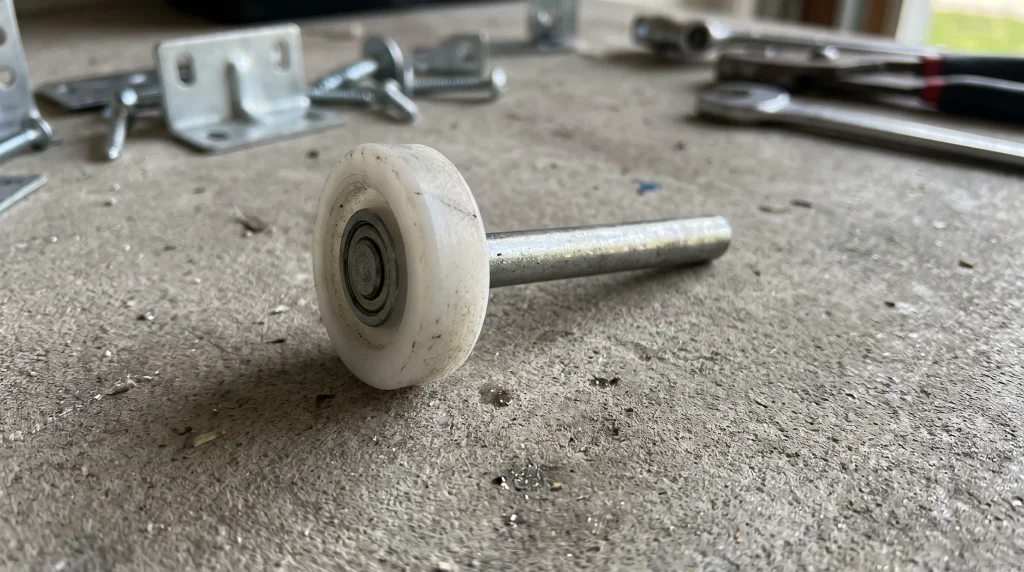
Rollers guide the garage door along the metal tracks, carrying the full weight of the door with every cycle during everyday use.
These small parts serve several essential functions in the overall system:
- Rollers allow the door to travel smoothly along the metal tracks.
- Ball bearings inside certain rollers reduce friction during daily operation.
- Properly functioning rollers support quieter operation throughout the day and night.
- Rollers help distribute the door’s weight evenly across the tracks.
- Worn rollers force the opener and spring system to work harder.
The garage door system depends on rollers performing this job correctly, consistently, and without added strain, year after year of regular use.
How Long Garage Door Rollers Typically Last
Roller lifespan varies significantly by material, with some types lasting only a few years and others lasting well over a decade.
| Roller Type | Typical Lifespan | Best Suited For |
| Plastic or Builder-Grade | 2 to 3 years (up to 5 with light use) | Lightweight doors and short-term budget installs |
| Steel Without Ball Bearings | 5 to 7 years | Heavier doors needing basic reinforcement |
| Steel With Ball Bearings | 7 to 12 years, approximately 10,000 cycles | Frequent daily use with moderate noise tolerance |
| Nylon With Sealed Ball Bearings | 10 to 15+ years, 15,000 to 20,000 cycles | Quiet operation and long-term durability |
Choosing a higher-grade roller upfront often costs less over time than replacing a cheaper roller every few years.
Plastic or Builder-Grade Rollers
Plastic or builder-grade rollers typically last 2 to 3 years, though light use on a lighter residential door can extend that lifespan closer to 5 years.
Key factors behind this wear:
- Frequent daily use accelerates cracking since no ball bearings absorb friction.
- Extreme heat or cold makes the plastic material more brittle over time.
- Heavier doors put added strain on rollers not designed for the weight.
- Irregular lubrication increases friction and speeds up visible wear patterns.
- Poor track alignment forces rollers to grind rather than roll smoothly.
Homeowners choosing plastic rollers for their initial low cost should still expect the shortest replacement cycle of any roller type available.
Steel Rollers Without Ball Bearings
Steel rollers without ball bearings typically last 5 to 7 years under normal residential use, assuming reasonably consistent maintenance.
Wear depends on these details:
- Metal friction wears down the roller surface faster than sealed designs.
- Heavier residential doors accelerate wear on rollers without ball bearings.
- Excessive vibration during operation signals early wear on the roller surface.
- Infrequent lubrication increases noise and speeds up metal-on-metal wear.
- Humid climates accelerate rust formation on unprotected steel surfaces.
Heavier residential doors often call for this option despite its shorter lifespan, added noise, and higher long-term maintenance needs.
Steel Rollers With Ball Bearings
Steel rollers with sealed ball bearings typically last 7 to 12 years, or roughly 10,000 open-and-close cycles under normal residential use.
Longevity depends on these factors:
- Regular lubrication application prevents rust buildup on the sealed bearings.
- Dust and debris entering the bearing housing accelerate internal wear.
- Excessive spring tension strains the rollers over time.
- Frequent use gradually wears down the internal bearing surfaces.
- Missed maintenance appointments allow small issues to become larger problems.
Scheduling garage door roller repair before bearing wear worsens helps this roller type reach its full expected lifespan without early failure.
Nylon Rollers With Sealed Ball Bearings
Nylon rollers with sealed ball bearings typically last 10 to 15 years or longer, often exceeding 15,000 to 20,000 cycles under normal residential conditions.
These factors affect longevity:
- Sealed bearings keep dirt and dust away from moving internal parts.
- Nylon material naturally reduces vibration and noise during daily operation.
- Consistent lubrication further extends the sealed bearing’s already long lifespan.
- Well-maintained metal tracks reduce unnecessary strain on the nylon material.
- Lighter doors place less overall stress on the sealed roller design.
Sealed bearings combined with durable nylon material remain the longest-lasting and quietest option among all common roller types available today.
How to Tell When Garage Door Rollers Are Failing
A garage door often signals roller wear well before a complete failure interrupts daily use, sometimes weeks in advance.
Watch closely for these specific signs of wear:
- Grinding or squeaking noises increase noticeably during opening and closing.
- Visible cracks or flat spots appear on the roller surface itself.
- The door moves noticeably slower or hesitates along the metal tracks.
- Excessive vibration occurs during normal opening and closing operation.
- The door appears slightly off track or misaligned within the frame.
To identify these warning signs before they cause further damage to the door system, read our guide on Signs Garage Door Rollers Need Replacement, which walks through each symptom in specific detail.
What Causes Garage Door Rollers to Wear Out?
Roller wear happens gradually, as small stress factors build up over months before a real problem becomes noticeable.
Common causes behind most roller failures:
- Frequent use without lubrication increases friction and speeds up wear.
- Extreme temperature swings cause certain roller materials to crack or warp.
- A heavier door places consistent strain on rollers not built for it.
- Debris and dust buildup inside the metal tracks accelerates roller wear.
- Ignoring an early garage door off track repair need allows misalignment to worsen roller wear.
To understand these causes and how they connect, read our guide on What Causes Garage Door Rollers to Need Replacement?, which explains why certain roller types fail faster than others under everyday use.
What to Do When Rollers Show Signs of Wear?
Early signs of roller wear come with several practical, low-risk options for a homeowner to use before a full failure occurs.
The following steps help address the problem early:
- Apply a proper garage door lubricant to reduce friction and noise.
- Inspect the metal tracks for debris, dents, or visible misalignment.
- Test the door manually to check for resistance or uneven movement.
- Avoid using a vice grip or winding bar without proper training.
- Call a professional garage door technician to schedule roller replacement service.
Addressing early wear promptly often prevents a simple repair from becoming a far more costly, time-consuming replacement later on.
How Professionals Handle Roller Replacement
A professional garage door technician follows a specific, safety-focused process to replace rollers correctly on the first visit.
The typical replacement process includes each of these steps:
- The technician inspects the tracks, hinges, and springs before starting.
- Old rollers are carefully removed from the hinge and bolt holes.
- New rollers get matched to the door’s weight and usage pattern.
- Spring tension is checked afterward to confirm safe, balanced operation.
- Follow-up visits are recommended after the replacement is complete.
Professional installation reduces the risk of personal injury that comes with handling spring tension without proper training.
Caring for Garage Door Rollers After Replacement
New rollers perform best over their full expected lifespan when homeowners follow a few simple, consistent care habits after installation.
These maintenance habits extend the life of newly installed rollers:
- Apply lubricant to the rollers every few months to reduce friction.
- Keep the metal tracks clear of dust, debris, and built-up grime.
- Test the door periodically to confirm smooth, quiet operation continues.
- Watch for early warning signs rather than waiting for a full failure.
- Schedule regular garage door maintenance visits to catch small issues early.
To understand the specific steps that keep new rollers performing well, read our guide on How to Care for Garage Door Rollers After Replacement, which covers the maintenance routine that protects the investment long term.
Roller Lifespan Depends on Material and Maintenance
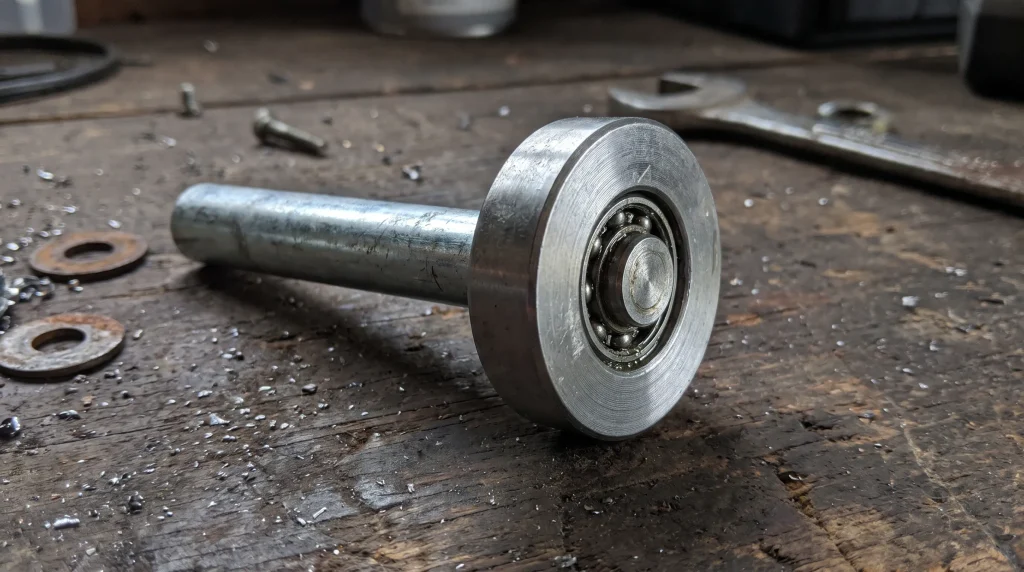
Garage door rollers last anywhere from 2 to 15 years depending on material quality, frequency of use, and how consistently they are maintained over time. Choosing a higher-quality roller upfront and following a simple, ongoing maintenance routine can significantly extend the replacement timeline.
First Class Garage Doors helps homeowners throughout Los Angeles, CA select and install the right roller type for their specific door, budget, and everyday usage pattern. Contact us or give us a call today, and let our team handle every step of the roller replacement process safely and correctly.
Frequently Asked Questions
What is the quietest type of garage door roller available?
Nylon rollers with sealed ball bearings operate the most quietly among garage door roller types, since the material naturally absorbs vibration. Steel rollers, particularly those without ball bearings, tend to produce noticeably more noise during operation.
Can a homeowner replace garage door rollers without professional help?
Replacing rollers involves working near a torsion spring system under extremely high tension, which carries a real risk of injury without proper training. A garage door professional ensures the springs and opener remain safely balanced throughout the process.
Why do some garage door rollers wear out faster than others?
Roller material plays the largest role in wear speed, with plastic rollers being less durable and cracking far sooner than steel or sealed nylon alternatives. Frequency of use, door weight, and lubrication habits all influence how quickly any type of roller wears down.
Is it normal for garage door rollers to make noise before failing?
Increased grinding or squeaking noise is one of the most common early signs that a roller is nearing the end of its life. Addressing this noise early, as part of your garage door maintenance routine, can prevent a small issue from becoming a costly repair.
Do heavier garage doors wear out rollers faster?
Heavier doors put extra strain on rollers, especially plastic or lower-grade steel options not designed for the added weight. Choosing a higher-grade roller helps offset this added strain, especially on a new door with heavier construction.
How does climate affect garage door roller lifespan?
Extreme heat or cold can make certain roller materials, particularly plastic, brittle and crack sooner than expected. Humid climates also accelerate rust formation on garage door hardware left unprotected over time.
What tools should never be used without proper training during roller replacement?
A winding bar or vice grip should never be used near the spring system without proper training, since improper use carries a serious risk of injury. An opener technician or trained professional uses specialized tools designed specifically for safe spring tension release.
How can a homeowner tell if rollers or the opener are causing a problem?
Faulty rollers typically cause grinding noise and visible wear along the tracks, while garage door opener issues usually involve the door failing to open or close entirely. A professional technician can quickly determine which component is actually responsible.
Does regular maintenance really extend roller lifespan?
Consistent lubrication and periodic inspection genuinely extend roller lifespan across every material type, sometimes by several years. Neglecting proper maintenance is one of the most common reasons rollers fail earlier than expected, leading to more frequent repair services.


