



Grinding noise, visible cracks, a slower-moving door, and excessive vibration are the most common signs a garage door roller replacement is needed soon. Identifying these symptoms early can keep a simple roller swap from turning into a larger repair involving the metal tracks or garage door opener.
Worn rollers often fail gradually, since signs of wear typically build over several weeks or months of daily use before the door stops working entirely. This guide breaks down each sign in detail, explains what it usually means for your replacement timeline, and covers what to expect next.
Key Takeaways
- Grinding or squeaking noise often signals worn rollers before a full failure.
- Visible cracks or flat spots on a roller almost never improve on their own.
- A door moving slower than usual points toward roller or track issues.
- Excessive vibration during operation often indicates rollers nearing the end of use.
- A door that appears off track often traces back to worn or damaged rollers.
Common Signs Garage Door Rollers Need Replacement
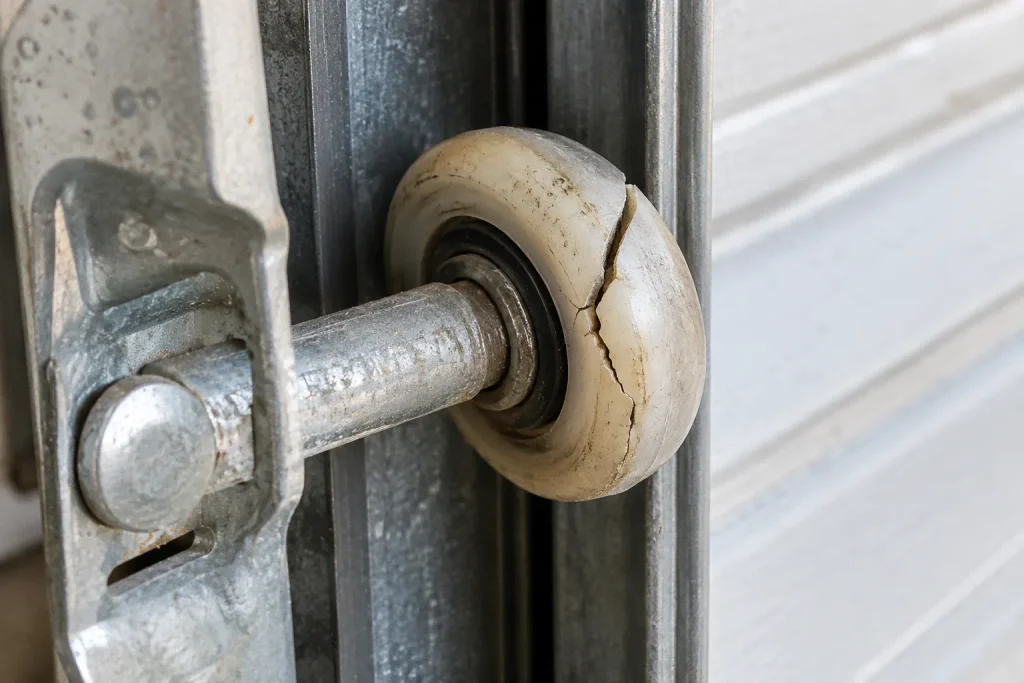
Roller failure almost always gives some warning before the door stops working entirely, rather than happening suddenly overnight.
| Sign | What It Looks Like | What It Suggests |
| Grinding Noise | Loud scraping or squeaking during opening and closing | Metal-on-metal wear or a lack of lubrication |
| Visible Cracks | Flat spots or splits on the roller wheel itself | Material fatigue nearing the end of its lifespan |
| Slower Movement | The door hesitates or takes longer to open fully | Increased friction along the tracks |
| Excessive Vibration | Noticeable shaking during normal operation | Rollers no longer rolling smoothly within the tracks |
| Off Track Alignment | The door sits crooked or catches on one side | Rollers worn enough to shift out of the track |
Responding quickly to early warning saves both time and money compared to waiting until the door fails completely and needs a bigger repair.
Grinding or Squeaking Noise During Operation
A garage door that grinds or squeaks during operation often signals early roller wear, well before any other symptoms become noticeable to a homeowner.
Listen for these specific noise patterns:
- Loud scraping sounds occur consistently during opening and closing cycles.
- Squeaking increases noticeably in cold or dry weather conditions.
- Noise grows louder over a couple of years without any change in usage.
- Metal-on-metal sounds replace what once was a quieter operation.
- The garage door opener seems to strain against the added resistance.
Resolving the noise through garage door roller repair early in the process often prevents further damage from setting into the tracks and opener system.
Visible Cracks or Flat Spots on the Roller
A roller with visible cracks or flat spots has already passed the point where garage door lubricant alone can fix the underlying problem.
Look closely for these specific signs of physical damage:
- Cracks appear along the outer edge of the roller wheel.
- Flat spots develop where the roller no longer sits perfectly round.
- Plastic rollers show visible damage faster than steel or nylon alternatives.
- The roller wheel wobbles noticeably while the door moves along the track.
- Small chips or missing pieces appear along the roller’s surface.
Requesting garage door panel repair alongside a roller inspection helps confirm whether nearby garage door hardware shares the same damage.
The Door Moves Slower or Hesitates
A door that hesitates or takes noticeably longer to open often points toward increased friction somewhere along the roller and track system.
Watch for these specific movement patterns:
- The door pauses briefly at certain points along its usual path.
- Full opening or closing takes visibly longer than it once did.
- The automatic opener strains audibly to complete a normal cycle.
- Manual operation feels heavier or requires more physical effort than expected.
- The door occasionally stops short of its fully open position.
To understand how often this specific type of roller typically needs replacement once these symptoms appear, read our guide on How Often to Replace Garage Door Rollers, which breaks down expected lifespan by roller type in detail.
Excessive Vibration During Opening or Closing
Excessive vibration during a normal opening or closing cycle often means the rollers no longer move smoothly within the metal tracks.
Pay attention to these specific vibration patterns:
- The door shakes noticeably more than it did in previous months.
- Vibration travels into nearby walls or the ceiling above the door.
- The garage door opener rail rattles more than usual during operation.
- Items stored near the door visibly shift during normal operation.
- Vibration intensifies specifically as the door nears the fully closed position.
Persistent vibration sometimes traces back to worn cables, making garage door cable repair a necessary step toward restoring quiet, stable operation.
The Door Appears Off Track or Misaligned
A door that sits visibly crooked or catches on one side often traces directly back to rollers that have shifted out of position.
Check for these specific alignment symptoms:
- The door hangs unevenly when viewed from outside the garage.
- One side catches or drags noticeably more than the other.
- Gaps appear unevenly along the top or sides of the door.
- The door occasionally jumps or skips within the metal tracks.
- Visible daylight shows through one side more than the opposite side.
To trace exactly why faulty rollers reach this specific point of failure, read our guide on What Causes Garage Door Rollers to Need Replacement?, which explains the root causes behind this kind of misalignment in detail.
Steps to Take After Noticing These Signs
Noticing one or more of these signs early gives a homeowner time to address the problem before it affects the garage door opener or spring system.
Consider these practical next steps once a sign appears:
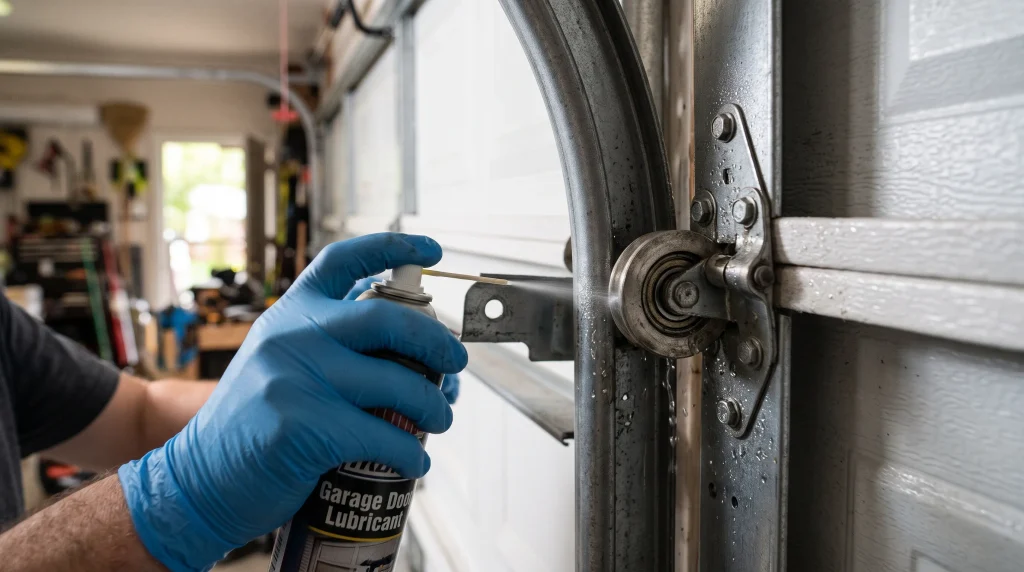
- Apply garage door lubricant to rollers, hinges, and metal tracks.
- Test the door manually to confirm how it moves without the opener.
- Avoid using a vice grip or winding bar without proper training.
- Photograph any visible damage or track wear over the next few weeks.
- Schedule an inspection with a professional garage door technician soon.
To walk through the exact maintenance routine that keeps new rollers performing well, read our guide on How to Care for Garage Door Rollers After Replacement, which covers the habits that extend their lifespan.
Early Signs Point Toward a Simple and Affordable Fix
Garage door rollers often show warning signs well before a full failure, and catching them early can keep a simple replacement from becoming a larger repair involving the tracks or opener. Homeowners who address these signs promptly avoid the added cost and inconvenience of later repairs.
First Class Garage Doors inspects and replaces worn rollers for homeowners throughout Los Angeles, CA, confirming the right roller type for each door and its usage frequency. Contact us or give us a call today, and let our team address these signs before they lead to a bigger repair.
Frequently Asked Questions
Can a homeowner apply lubricant to fix grinding noise permanently?
Lubricant reduces friction temporarily, but it seldom solves grinding noise caused by cracked or flattened rollers that are already past their functional lifespan. Replacing the roller itself remains the only lasting fix once physical damage has already occurred.
Is it safe to keep using a garage door that vibrates excessively?
Continued use increases the risk of further property damage to the tracks, hinges, and opener system connected to the affected rollers. Addressing the vibration early typically costs far less than repairing multiple damaged garage door components later.
Do all garage door rollers make noise before failing completely?
Noise remains one of the most common signs, though some types of garage door rollers fail with visible cracks or flat spots before any noticeable change in sound occurs. Regular visual inspection can catch these signs even before noise develops.
What is the difference between a roller issue and an opener issue?
Roller issues typically involve noise, vibration, or visible movement along the tracks, while an opener issue usually affects the automatic opening or closing function of the garage door system itself. A garage door professional can confirm which component is actually responsible.
How does a heavier residential door affect these warning signs?
A heavier door puts more strain on the rollers, often causing these signs to appear sooner than with lighter, standard doors. Choosing higher-quality rollers can slow how quickly these symptoms develop.
Can cold weather make roller-related signs worse?
Cold temperatures often make squeaking and grinding noises more noticeable, particularly with plastic or unlubricated steel rollers. Applying a proper garage door lubricant, available at most hardware store locations, before winter often reduces this seasonal noise increase.
Should a homeowner attempt to realign a door that appears off track?
Realigning a door involves working near a torsion spring system under extremely high spring tension, which carries a real risk of injury without proper training. A garage door professional safely handles both the alignment and any roller replacement needed.
How often should a homeowner inspect rollers for these warning signs?
Checking rollers every few months as part of regular maintenance helps catch these signs before they become a bigger issue. Homes with heavier use or older doors benefit from slightly more frequent visual inspection.
Does replacing just the affected rollers usually solve the problem?
Replacing only the affected rollers typically resolves the issue, as long as the tracks and opener show no separate signs of damage. A professional inspection during replacement confirms whether you need any additional repair services.


